

• HOME
  • NEWS
  • EXPLORE
    • CAREER
      • Companies
      • Jobs
    • EVENTS
    • iGEM
      • News
      • Team
    • PHOTOS
    • VIDEO
    • WIKI
  • BLOG
  • COMMUNITY
    • FACEBOOK
    • INSTAGRAM
    • TWITTER
Saturday, February 7, 2026
BIOENGINEER.ORG
No Result
View All Result
  • Login
  • HOME
  • NEWS
  • EXPLORE
    • CAREER
      • Companies
      • Jobs
        • Lecturer
        • PhD Studentship
        • Postdoc
        • Research Assistant
    • EVENTS
    • iGEM
      • News
      • Team
    • PHOTOS
    • VIDEO
    • WIKI
  • BLOG
  • COMMUNITY
    • FACEBOOK
    • INSTAGRAM
    • TWITTER
  • HOME
  • NEWS
  • EXPLORE
    • CAREER
      • Companies
      • Jobs
        • Lecturer
        • PhD Studentship
        • Postdoc
        • Research Assistant
    • EVENTS
    • iGEM
      • News
      • Team
    • PHOTOS
    • VIDEO
    • WIKI
  • BLOG
  • COMMUNITY
    • FACEBOOK
    • INSTAGRAM
    • TWITTER
No Result
View All Result
Bioengineer.org
No Result
View All Result
Home NEWS Science News Health

The bassoon causing new brain disorder

Bioengineer by Bioengineer
March 23, 2018
in Health
Reading Time: 2 mins read
0
Share on FacebookShare on TwitterShare on LinkedinShare on RedditShare on Telegram
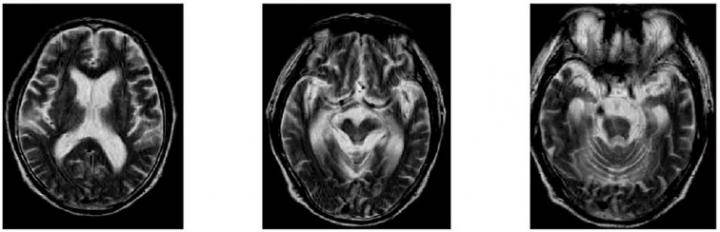
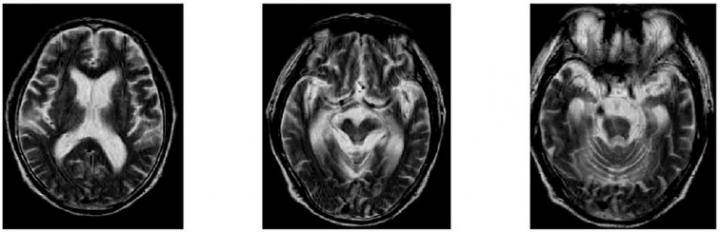
IMAGE

Credit: Yabe I. et al., Scientific Reports, Jan. 16, 2018

Newly discovered gene mutations may help explain the cause of a disease that drastically impairs walking and thinking.

Mutations have been found in the bassoon (BSN) gene, which is involved with the central nervous system, in patients with symptoms similar to, but different from, a rare brain disorder called progressive supranuclear palsy (PSP).

PSP, a form of Parkinson's disease, is often difficult to diagnose because it can affect people in different ways. Serious problems often include difficulty with walking and balance in addition to a decline in cognitive abilities such as frontal lobe dysfunction.

A team of Japanese researchers investigated patients whose symptoms resembled not only PSP but also Alzheimer's disease. Despite similarities in the symptoms, detailed pathological analyses showed no resemblance to either disease, which prompted the team to further research the new disease's underlying mechanism.

They first analyzed the genomes of a Japanese family with several members displaying PSP-like symptoms. They identified a mutation in the BSN gene only in family members with symptoms. These individuals did not have mutations in the 52 other genes associated with PSP and other neurological disorders such as Alzheimer's and Parkinson's. This was the first time BSN gene is associated with a neurological disorder.

The researchers also detected three other mutations in the BSN gene in four out of 41 other patients displaying sporadic, or non-familial, PSP-like symptoms. None of the BSN mutations were detected in a random sample of 100 healthy individuals, underscoring the strong involvement of BSN mutations in the disease.

An autopsy done on one of the family members with the BSN mutation showed an accumulation of a protein called tau in the brain, which is not seen in a normal brain. The researchers believe that the BSN mutation is involved in the tau accumulation, which could cause the development of PSP-like symptoms. An experiment introducing a mutated rat BSN gene to cultured cells also suggested that the mutation causes the accumulation of tau. Communication between nerve fibres could also be affected, as BSN protein play a role in it.

"This is a peculiar neurodegenerative disorder which involves mutations in the BSN gene and tau accumulation, but differs from any known disease, including dementia, Parkinson's, and even PSP," says Associate Professor Ichiro Yabe of Hokkaido University who led the study. "Patients with PSP-like symptoms and other neurodegenerative disorders should be analyzed for BSN mutations to fine-tune their diagnoses."

###

Media Contact

Naoki Namba
81-117-062-185
@hokkaido_uni

https://www.global.hokudai.ac.jp/

Original Source

https://www.global.hokudai.ac.jp/blog/the-bassoon-causing-new-brain-disorder/ http://dx.doi.org/10.1038/s41598-018-19198-0

Share12Tweet8Share2ShareShareShare2

Related Posts

Phage-Antibiotic Combo Beats Resistant Peritoneal Infection

February 7, 2026

Boosting Remote Healthcare: Stepped-Wedge Trial Insights

February 7, 2026

Barriers and Boosters of Seniors’ Physical Activity in Karachi

February 7, 2026

Evaluating Pediatric Emergency Care Quality in Ethiopia

February 7, 2026
Please login to join discussion

POPULAR NEWS

  • Robotic Ureteral Reconstruction: A Novel Approach

    Robotic Ureteral Reconstruction: A Novel Approach

    82 shares
    Share 33 Tweet 21
  • Digital Privacy: Health Data Control in Incarceration

    63 shares
    Share 25 Tweet 16
  • Study Reveals Lipid Accumulation in ME/CFS Cells

    57 shares
    Share 23 Tweet 14
  • Breakthrough in RNA Research Accelerates Medical Innovations Timeline

    53 shares
    Share 21 Tweet 13

About

We bring you the latest biotechnology news from best research centers and universities around the world. Check our website.

Follow us

Recent News

Phage-Antibiotic Combo Beats Resistant Peritoneal Infection

Boosting Remote Healthcare: Stepped-Wedge Trial Insights

Barriers and Boosters of Seniors’ Physical Activity in Karachi

Subscribe to Blog via Email

Enter your email address to subscribe to this blog and receive notifications of new posts by email.

Join 73 other subscribers
  • Contact Us

Bioengineer.org © Copyright 2023 All Rights Reserved.

Welcome Back!

Login to your account below

Forgotten Password?

Retrieve your password

Please enter your username or email address to reset your password.

Log In
No Result
View All Result
  • Homepages
    • Home Page 1
    • Home Page 2
  • News
  • National
  • Business
  • Health
  • Lifestyle
  • Science

Bioengineer.org © Copyright 2023 All Rights Reserved.
