

• HOME
  • NEWS
  • EXPLORE
    • CAREER
      • Companies
      • Jobs
    • EVENTS
    • iGEM
      • News
      • Team
    • PHOTOS
    • VIDEO
    • WIKI
  • BLOG
  • COMMUNITY
    • FACEBOOK
    • INSTAGRAM
    • TWITTER
Saturday, February 7, 2026
BIOENGINEER.ORG
No Result
View All Result
  • Login
  • HOME
  • NEWS
  • EXPLORE
    • CAREER
      • Companies
      • Jobs
        • Lecturer
        • PhD Studentship
        • Postdoc
        • Research Assistant
    • EVENTS
    • iGEM
      • News
      • Team
    • PHOTOS
    • VIDEO
    • WIKI
  • BLOG
  • COMMUNITY
    • FACEBOOK
    • INSTAGRAM
    • TWITTER
  • HOME
  • NEWS
  • EXPLORE
    • CAREER
      • Companies
      • Jobs
        • Lecturer
        • PhD Studentship
        • Postdoc
        • Research Assistant
    • EVENTS
    • iGEM
      • News
      • Team
    • PHOTOS
    • VIDEO
    • WIKI
  • BLOG
  • COMMUNITY
    • FACEBOOK
    • INSTAGRAM
    • TWITTER
No Result
View All Result
Bioengineer.org
No Result
View All Result
Home NEWS Science News Biology

Physical disability boosts parenting effort, beetles study shows

Bioengineer by Bioengineer
March 22, 2018
in Biology
Reading Time: 2 mins read
0
Share on FacebookShare on TwitterShare on LinkedinShare on RedditShare on Telegram
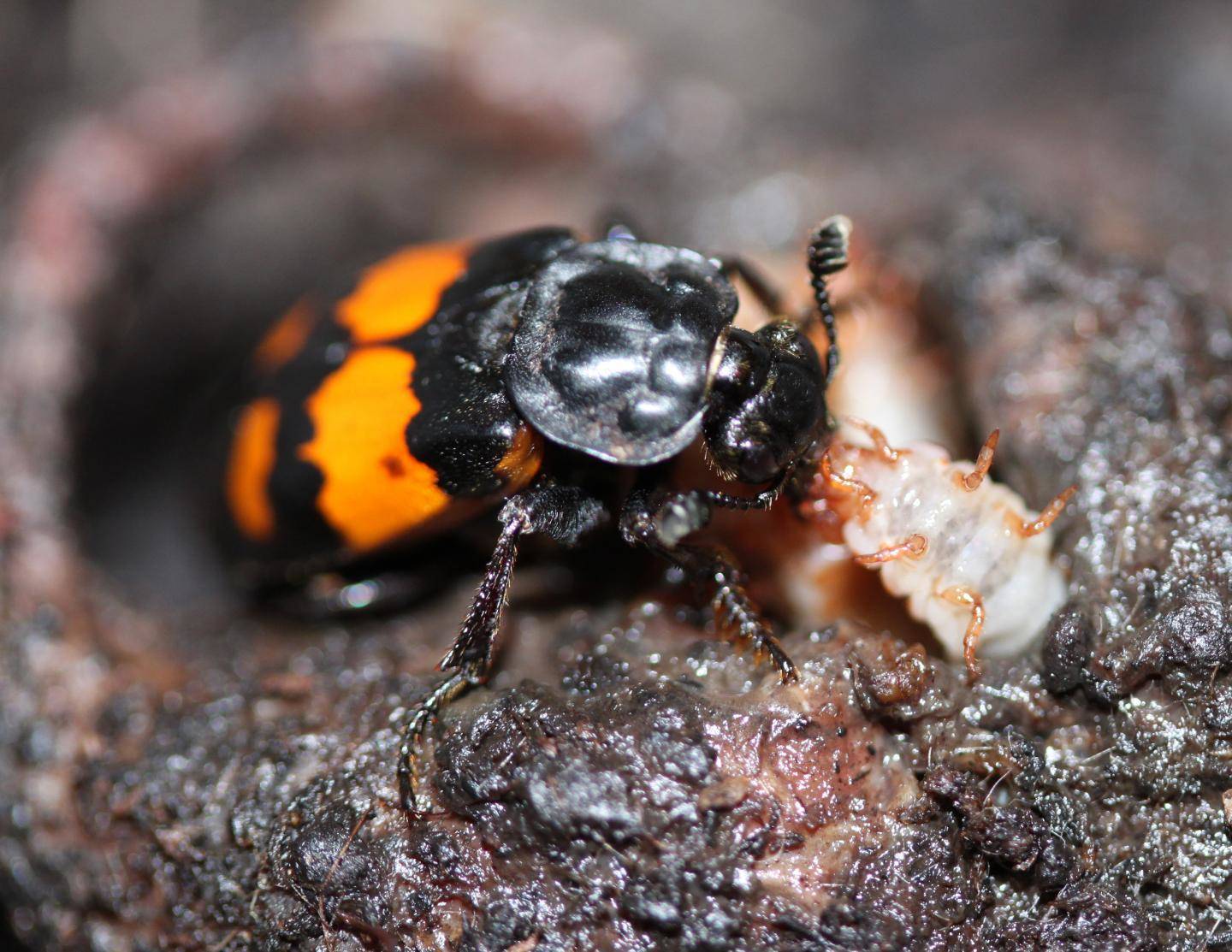
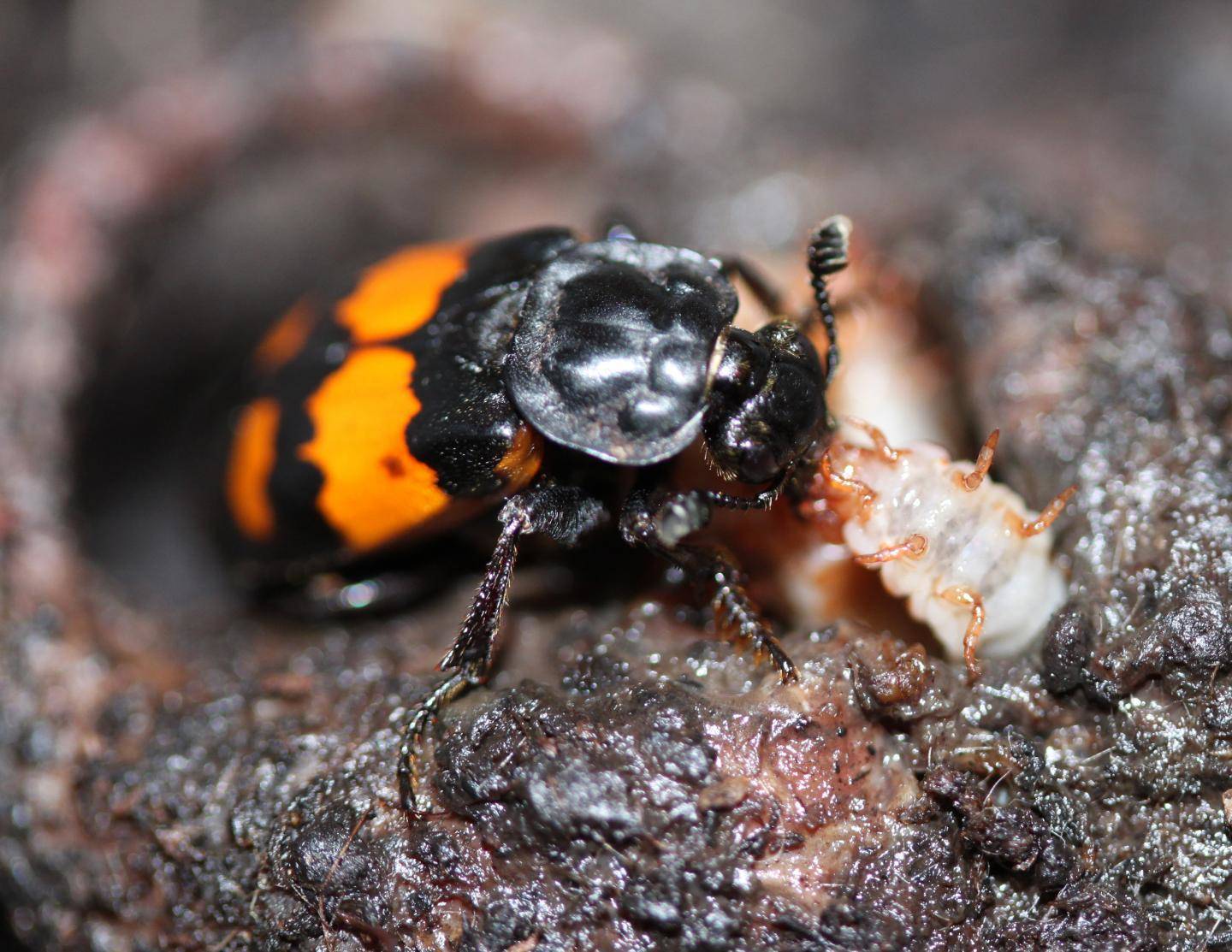
IMAGE

Credit: Per Smiseth

Animals that carry a physical impediment can work harder to rear their young as a result, a study of insects has shown.

In a study of beetles, those that were given a physical disadvantage — tiny weights attached to their bodies — spent more time feeding their young compared with others, research showed.

They may behave this way, sacrificing valuable resources to care for their offspring, in case they are not able to reproduce again, scientists suggest.

Researchers from the University of Edinburgh studied burying beetles — which are known for their intensive parenting, with both males and females are involved in rearing their young.

The study compared females that had weights attached to their bodies with those that did not, noting how well the mothers were able to care for broods of various sizes.

They found that mothers with a physical disadvantage spent more time feeding their offspring compared with other females.

The results suggest that the insects may respond to having an impediment by expecting not to breed again, and expend more resources to ensure that their offspring survives, scientists say.

Such an approach means the beetles seek to use their available resources to best advantage by giving their young the best chance of passing on their genes.

Researchers say their finding was unexpected, as they had anticipated that animals with a physical handicap might be less able to provide care and spend less time feeding young. The study, funded by the Darwin Trust, was published in the Journal of Evolutionary Biology.

Tom Ratz, of the University of Edinburgh's School of Biological Sciences, who led the study, said: "We were surprised to find that handicapped insects were providing more care instead of less — this is the opposite of what we expected. It seems that among these careful parents, decisions about how much to care for current or future offspring are influenced by the likely benefit."

###

Media Contact

Catriona Kelly
[email protected]
44-779-135-59401
@edinunimedia

http://www.ed.ac.uk

Original Source

https://www.ed.ac.uk/news/2018/physical-disability-boosts-parenting-in-beetles http://dx.doi.org/10.1111/jeb.13254

Share13Tweet8Share2ShareShareShare2

Related Posts

Florida Cane Toad: Complex Spread and Selective Evolution

Florida Cane Toad: Complex Spread and Selective Evolution

February 7, 2026
New Study Uncovers Mechanism Behind Burn Pit Particulate Matter–Induced Lung Inflammation

New Study Uncovers Mechanism Behind Burn Pit Particulate Matter–Induced Lung Inflammation

February 6, 2026

DeepBlastoid: Advancing Automated and Efficient Evaluation of Human Blastoids with Deep Learning

February 6, 2026

Navigating the Gut: The Role of Formic Acid in the Microbiome

February 6, 2026
Please login to join discussion

POPULAR NEWS

  • Robotic Ureteral Reconstruction: A Novel Approach

    Robotic Ureteral Reconstruction: A Novel Approach

    82 shares
    Share 33 Tweet 21
  • Digital Privacy: Health Data Control in Incarceration

    63 shares
    Share 25 Tweet 16
  • Study Reveals Lipid Accumulation in ME/CFS Cells

    57 shares
    Share 23 Tweet 14
  • Breakthrough in RNA Research Accelerates Medical Innovations Timeline

    53 shares
    Share 21 Tweet 13

About

We bring you the latest biotechnology news from best research centers and universities around the world. Check our website.

Follow us

Recent News

Evaluating Pediatric Emergency Care Quality in Ethiopia

TPMT Expression Predictions Linked to Azathioprine Side Effects

Improving Dementia Care with Enhanced Activity Kits

Subscribe to Blog via Email

Success! An email was just sent to confirm your subscription. Please find the email now and click 'Confirm' to start subscribing.

Join 73 other subscribers
  • Contact Us

Bioengineer.org © Copyright 2023 All Rights Reserved.

Welcome Back!

Login to your account below

Forgotten Password?

Retrieve your password

Please enter your username or email address to reset your password.

Log In
No Result
View All Result
  • Homepages
    • Home Page 1
    • Home Page 2
  • News
  • National
  • Business
  • Health
  • Lifestyle
  • Science

Bioengineer.org © Copyright 2023 All Rights Reserved.