• HOME
  • NEWS
  • EXPLORE
    • CAREER
      • Companies
      • Jobs
    • EVENTS
    • iGEM
      • News
      • Team
    • PHOTOS
    • VIDEO
    • WIKI
  • BLOG
  • COMMUNITY
    • FACEBOOK
    • INSTAGRAM
    • TWITTER
Monday, April 6, 2026
BIOENGINEER.ORG
No Result
View All Result
  • Login
  • HOME
  • NEWS
  • EXPLORE
    • CAREER
      • Companies
      • Jobs
        • Lecturer
        • PhD Studentship
        • Postdoc
        • Research Assistant
    • EVENTS
    • iGEM
      • News
      • Team
    • PHOTOS
    • VIDEO
    • WIKI
  • BLOG
  • COMMUNITY
    • FACEBOOK
    • INSTAGRAM
    • TWITTER
  • HOME
  • NEWS
  • EXPLORE
    • CAREER
      • Companies
      • Jobs
        • Lecturer
        • PhD Studentship
        • Postdoc
        • Research Assistant
    • EVENTS
    • iGEM
      • News
      • Team
    • PHOTOS
    • VIDEO
    • WIKI
  • BLOG
  • COMMUNITY
    • FACEBOOK
    • INSTAGRAM
    • TWITTER
No Result
View All Result
Bioengineer.org
No Result
View All Result
Home NEWS Science News Health

Researchers computationally find the needle in a haystack to treat rare diseases

Bioengineer by Bioengineer
March 13, 2018
in Health
Reading Time: 2 mins read
0
Share on FacebookShare on TwitterShare on LinkedinShare on RedditShare on Telegram
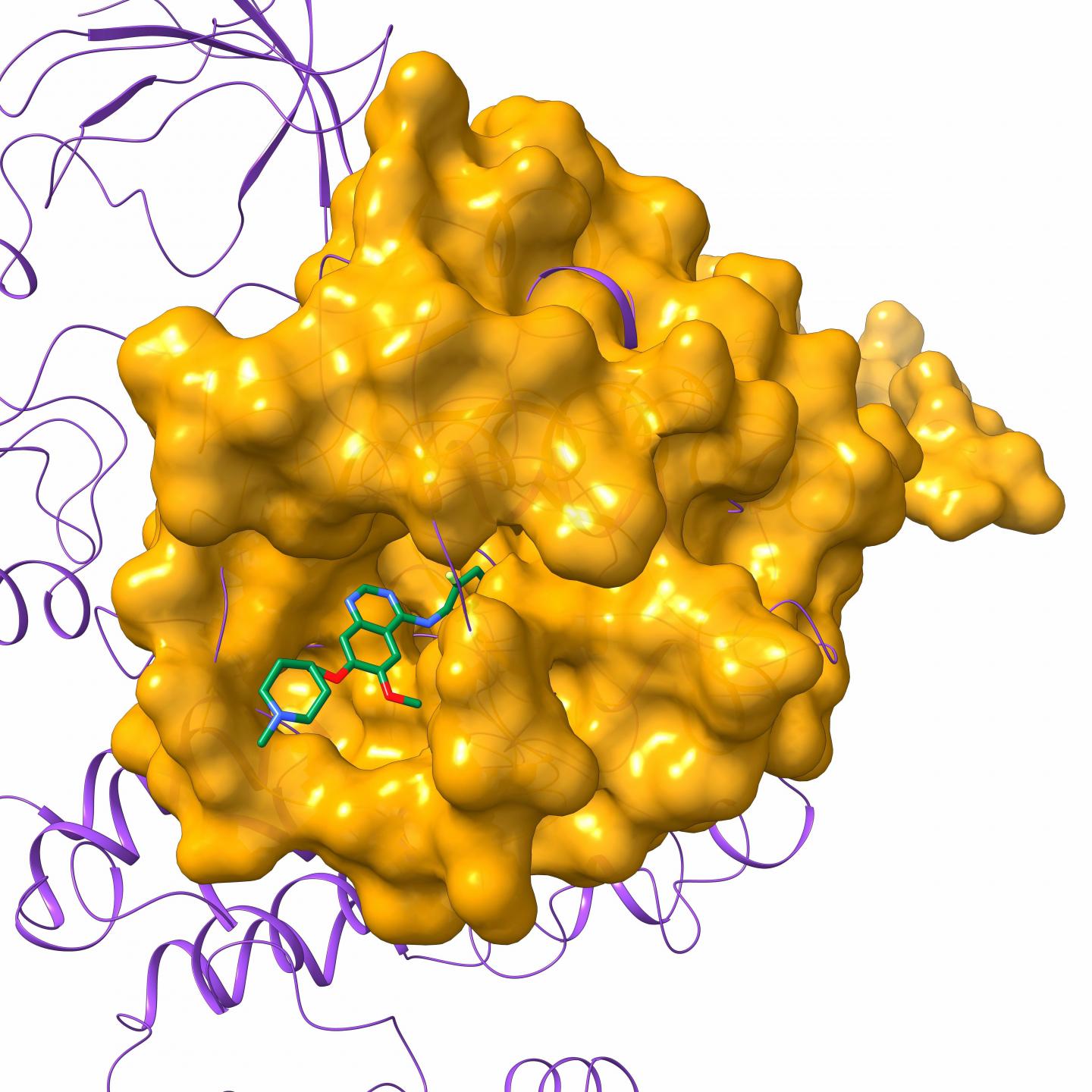
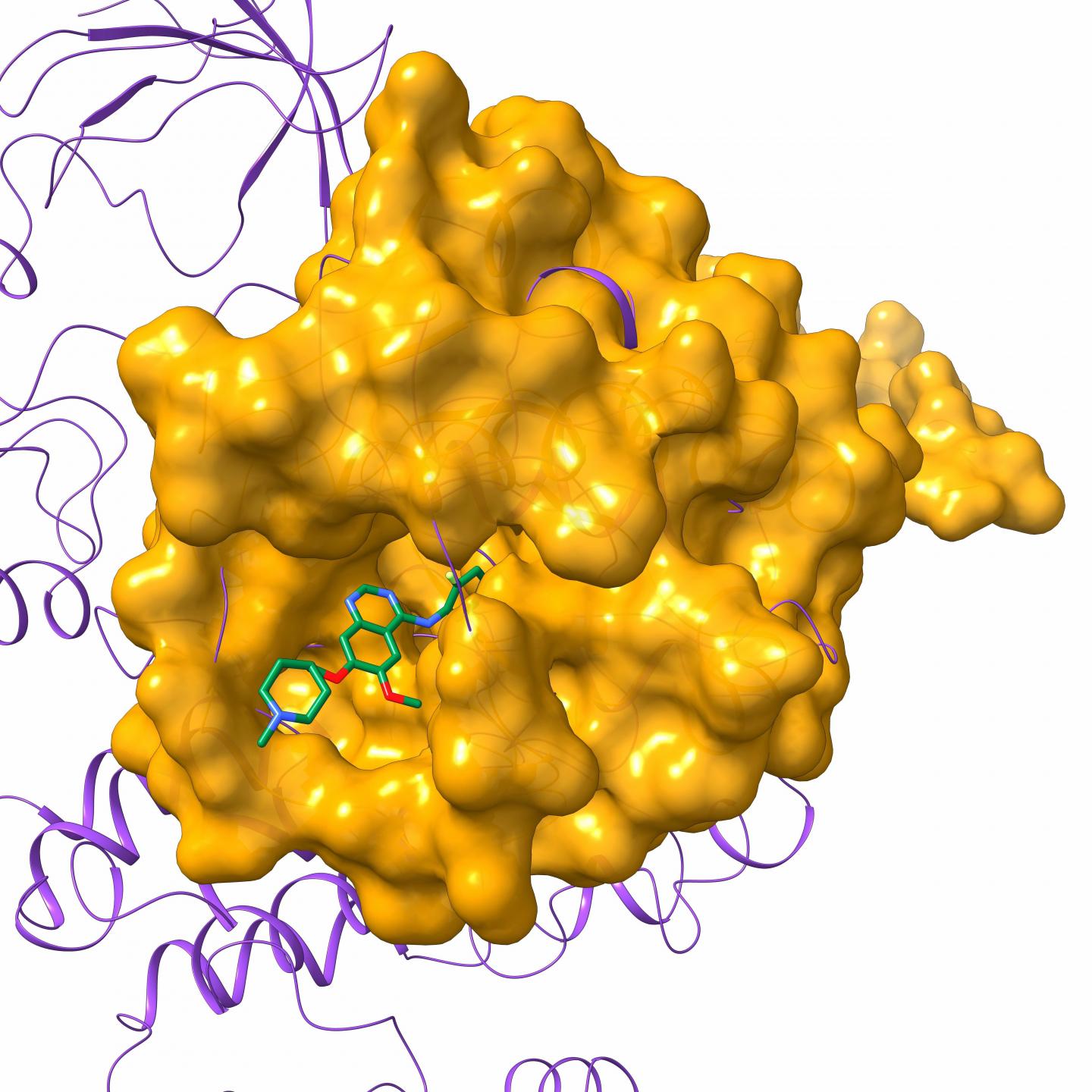
IMAGE

Credit: Misagh Naderi, LSU

One in 10 people in America is fighting a rare disease, or a disorder that affects fewer than 200,000 Americans. Although there are more than 7,000 rare diseases that collectively affect more than 350 million people worldwide, it is not profitable for the pharmaceutical industry to develop new therapies to treat the small number of people suffering from each rare condition. Researchers at the LSU Computational Systems Biology group have developed a sophisticated and systematic way to identify existing drugs that can be repositioned to treat a rare disease or condition. They have fine-tuned a computer-assisted drug repositioning process that can save time and money in helping these patients receive effective treatment.

"Rare diseases sometimes affect such a small population that discovering treatments would not be financially feasible unless through humanitarian and governmental incentives. These conditions that are sometimes left untreated are labeled 'orphan diseases.' We developed a way to computationally find matches between rare disease protein structures and functions and existing drug interactions that can help treat patients with some of these orphan diseases," said Misagh Naderi, one of the paper's lead authors and a doctoral candidate in the LSU Department of Biological Sciences.

This research will be published this week in the npj Systems Biology and Applications journal, published by the Nature Publishing Group in partnership the Systems Biology Institute.

"In the past, most repurposed drugs were discovered serendipitously. For example, the drug amantadine was first introduced to treat respiratory infections. However, a few years later, a patient with Parkinson's disease experienced a dramatic improvement of her disease symptoms while taking the drug to treat the flu. This observation sparked additional research. Now, amantadine is approved by the Food Drug Administration as both an antiviral and an antiparkinsonian drug. But, we can not only rely on chance to find a treatment for an orphan disease," said Dr. Michal Brylinski, the head of the Computational Systems Biology group at LSU.

To systematize drug repurposing, Naderi, co-author Rajiv Gandhi Govindaraj and colleagues combined eMatchSite, a software developed by the same group with virtual screening to match FDA approved drugs and proteins that are involved in rare diseases. LSU super computers allows them to test millions of possibilities that will cost billions of dollars to test in the lab.

###

This work was supported by the National Institute of General Medical Sciences of the National Institutes of Health [R35GM119524].

Media Contact

Alison Satake
[email protected]
225-578-3870
@LSUResearchNews

http://www.lsu.edu

Share21Tweet8Share2ShareShareShare2

Related Posts

Genetics, Medication, Lifestyle in Epilepsy-Related Obesity

April 6, 2026

Charged Molecular Glue Discovery Via Targeted Degron

April 6, 2026

Willingness to Cut Meat Lowers Emissions

April 6, 2026

Cold Plasma-Activated Water Battles Breast Cancer Tumors

April 6, 2026
Please login to join discussion

POPULAR NEWS

  • blank

    Revolutionary AI Model Enhances Precision in Detecting Food Contamination

    97 shares
    Share 39 Tweet 24
  • Promising Outcomes from First Clinical Trials of Gene Regulation in Epilepsy

    51 shares
    Share 20 Tweet 13
  • Imagine a Social Media Feed That Challenges Your Views Instead of Reinforcing Them

    1009 shares
    Share 399 Tweet 249
  • Popular Anti-Aging Compound Linked to Damage in Corpus Callosum, Study Finds

    44 shares
    Share 18 Tweet 11

About

We bring you the latest biotechnology news from best research centers and universities around the world. Check our website.

Follow us

Recent News

Genetics, Medication, Lifestyle in Epilepsy-Related Obesity

Zinc, Immune Stress, and COVID-19: MT2A Identified as a Key Cross-Compartment Marker Associated with Disease Severity

Halt the Inflammatory Cascade: Xuebijing’s Role in Safeguarding the Lung Barrier During Acute Lung Injury

Subscribe to Blog via Email

Success! An email was just sent to confirm your subscription. Please find the email now and click 'Confirm' to start subscribing.

Join 78 other subscribers
  • Contact Us

Bioengineer.org © Copyright 2023 All Rights Reserved.

Welcome Back!

Login to your account below

Forgotten Password?

Retrieve your password

Please enter your username or email address to reset your password.

Log In
No Result
View All Result
  • Homepages
    • Home Page 1
    • Home Page 2
  • News
  • National
  • Business
  • Health
  • Lifestyle
  • Science

Bioengineer.org © Copyright 2023 All Rights Reserved.