• HOME
  • NEWS
  • EXPLORE
    • CAREER
      • Companies
      • Jobs
    • EVENTS
    • iGEM
      • News
      • Team
    • PHOTOS
    • VIDEO
    • WIKI
  • BLOG
  • COMMUNITY
    • FACEBOOK
    • INSTAGRAM
    • TWITTER
Saturday, February 7, 2026
BIOENGINEER.ORG
No Result
View All Result
  • Login
  • HOME
  • NEWS
  • EXPLORE
    • CAREER
      • Companies
      • Jobs
        • Lecturer
        • PhD Studentship
        • Postdoc
        • Research Assistant
    • EVENTS
    • iGEM
      • News
      • Team
    • PHOTOS
    • VIDEO
    • WIKI
  • BLOG
  • COMMUNITY
    • FACEBOOK
    • INSTAGRAM
    • TWITTER
  • HOME
  • NEWS
  • EXPLORE
    • CAREER
      • Companies
      • Jobs
        • Lecturer
        • PhD Studentship
        • Postdoc
        • Research Assistant
    • EVENTS
    • iGEM
      • News
      • Team
    • PHOTOS
    • VIDEO
    • WIKI
  • BLOG
  • COMMUNITY
    • FACEBOOK
    • INSTAGRAM
    • TWITTER
No Result
View All Result
Bioengineer.org
No Result
View All Result
Home NEWS Science News Health

Medical researchers find protein that marks difference between cancer and non-cancer cells

Bioengineer by Bioengineer
March 8, 2018
in Health
Reading Time: 2 mins read
0
Share on FacebookShare on TwitterShare on LinkedinShare on RedditShare on Telegram
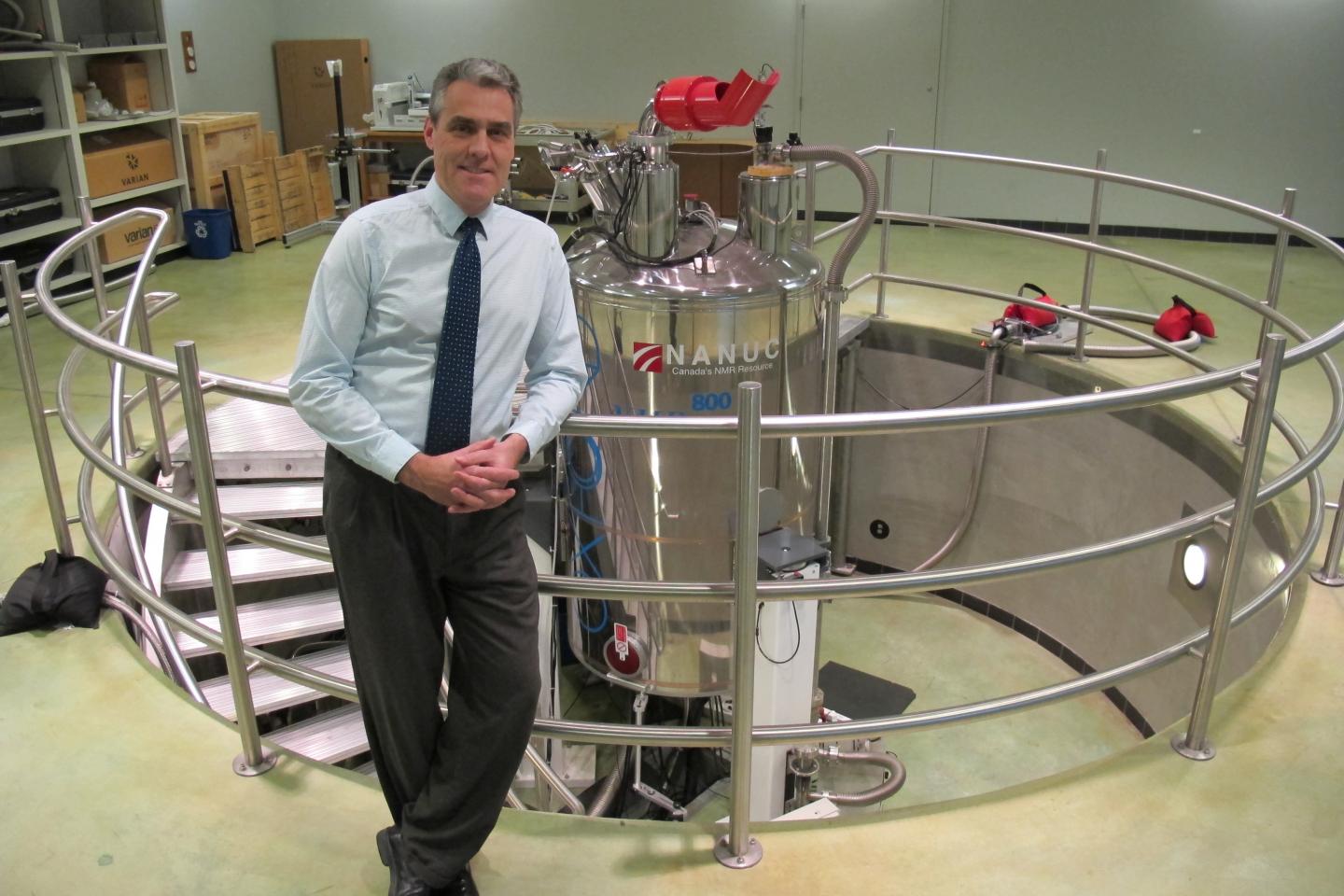
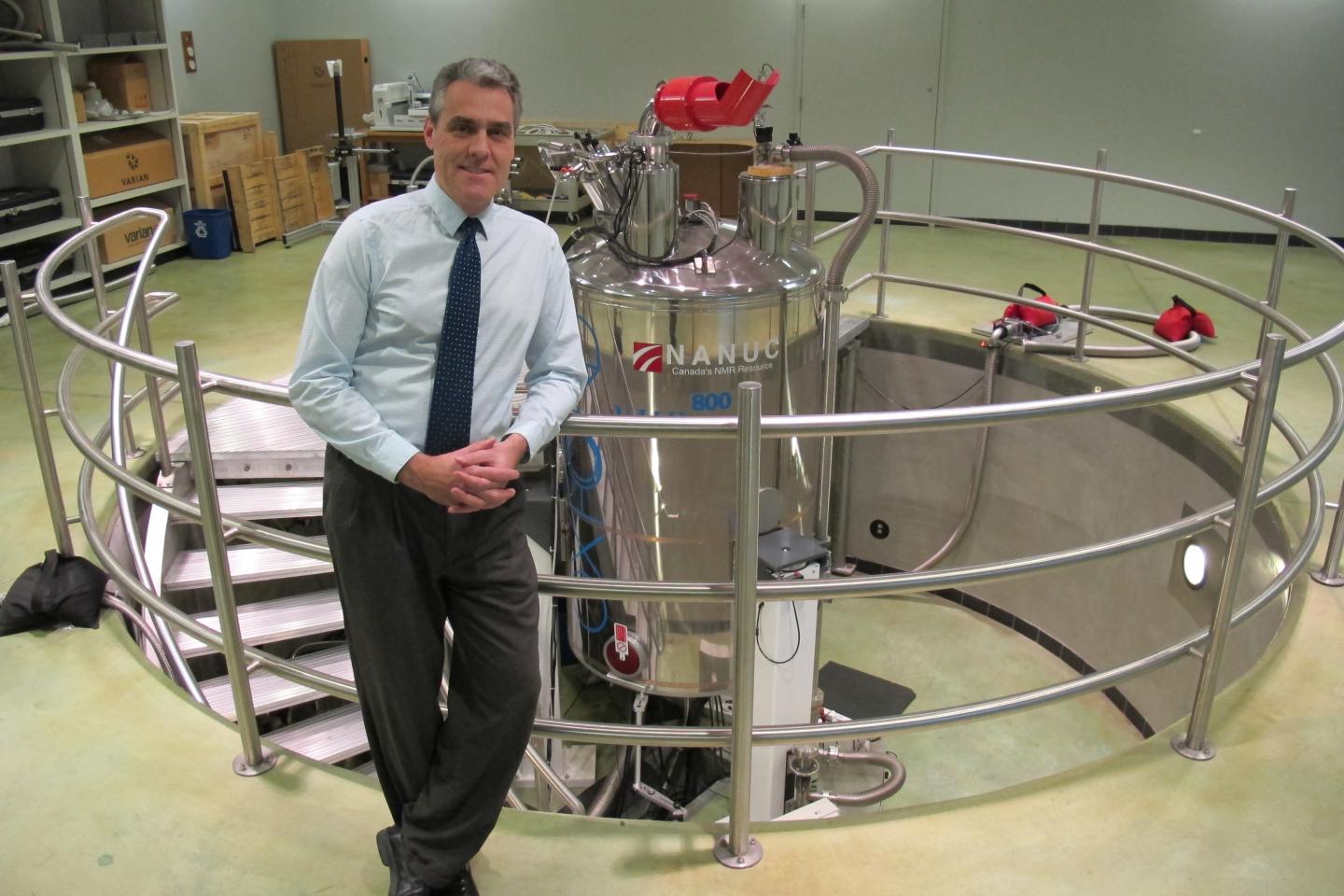
IMAGE

Credit: Ross Neitz

A discovery sheds light on how cancerous cells differ from healthy ones, and could lead to the development of new strategies for therapeutic intervention for difficult-to-treat cancers in the future.

An international team of investigators found a "stop sign"–a modified protein researchers named a PIP-stop–inside cells that are overused by cancerous cells that effectively prevents healthy ones from sorting material in the way they were designed to.

"We have discovered that breast cancer, leukemia, lymphoma and neuroblastoma cells have too many PIP-stops. This would upset protein function, and opens up a new avenue for developing drugs that block PIP-stop formation by kinase enzymes," said Michael Overduin, a University of Alberta cancer researcher and professor of biochemistry, who led the research project.

The team named the modification a PIP-stop because it stops proteins from interacting with lipid molecules called PIP.

Before making their discovery, the researchers first solved the 3-D structure of a sorting nexin protein, which is key to sorting proteins to their proper locations within the cell. Powerful magnets in the U.K. and in the National High Field Nuclear Magnetic Resonance Centre (NANUC), Canada's national magnet lab based in Edmonton, were then used to detect signals from within individual atoms within the protein structure.

By focusing on the protein structure, the team was able to discover the PIP-stop and see how it blocked the protein's function. The PIP-stop is a phosphate which is added to the protein surface that binds the PIP lipid, and normally controls how proteins attach to membranes.

Samples from cancer patients have too many PIP-stops, which could lead to the unregulated growth seen in tumour cells. Similar PIP-stops were found to be overused in a large number of other proteins involved in other cancer types, where they could also influence tumour growth.

"Our goal now is to design inhibitors for the overactive kinases that create PIP-stops, and to use this information to design drug molecules that block the progression of cancers, particularly those which lack effective treatments," said Overduin.

###

The study was published in the journal Nature Communications and was carried out using grants from Alberta Innovates and funders in the U.K. and Switzerland.

Media Contact

Ross Neitz
[email protected]
780-492-5986
@ualberta_fomd

http://www.med.ualberta.ca

Related Journal Article

http://dx.doi.org/10.1038/s41467-018-03370-1

Share12Tweet7Share2ShareShareShare1

Related Posts

Evaluating Pediatric Emergency Care Quality in Ethiopia

February 7, 2026

TPMT Expression Predictions Linked to Azathioprine Side Effects

February 7, 2026

Improving Dementia Care with Enhanced Activity Kits

February 7, 2026

Decoding Prostate Cancer Origins via snFLARE-seq, mxFRIZNGRND

February 7, 2026
Please login to join discussion

POPULAR NEWS

  • Robotic Ureteral Reconstruction: A Novel Approach

    Robotic Ureteral Reconstruction: A Novel Approach

    82 shares
    Share 33 Tweet 21
  • Digital Privacy: Health Data Control in Incarceration

    63 shares
    Share 25 Tweet 16
  • Study Reveals Lipid Accumulation in ME/CFS Cells

    57 shares
    Share 23 Tweet 14
  • Breakthrough in RNA Research Accelerates Medical Innovations Timeline

    53 shares
    Share 21 Tweet 13

About

We bring you the latest biotechnology news from best research centers and universities around the world. Check our website.

Follow us

Recent News

Evaluating Pediatric Emergency Care Quality in Ethiopia

TPMT Expression Predictions Linked to Azathioprine Side Effects

Improving Dementia Care with Enhanced Activity Kits

Subscribe to Blog via Email

Success! An email was just sent to confirm your subscription. Please find the email now and click 'Confirm' to start subscribing.

Join 73 other subscribers
  • Contact Us

Bioengineer.org © Copyright 2023 All Rights Reserved.

Welcome Back!

Login to your account below

Forgotten Password?

Retrieve your password

Please enter your username or email address to reset your password.

Log In
No Result
View All Result
  • Homepages
    • Home Page 1
    • Home Page 2
  • News
  • National
  • Business
  • Health
  • Lifestyle
  • Science

Bioengineer.org © Copyright 2023 All Rights Reserved.