

• HOME
  • NEWS
  • EXPLORE
    • CAREER
      • Companies
      • Jobs
    • EVENTS
    • iGEM
      • News
      • Team
    • PHOTOS
    • VIDEO
    • WIKI
  • BLOG
  • COMMUNITY
    • FACEBOOK
    • INSTAGRAM
    • TWITTER
Saturday, February 7, 2026
BIOENGINEER.ORG
No Result
View All Result
  • Login
  • HOME
  • NEWS
  • EXPLORE
    • CAREER
      • Companies
      • Jobs
        • Lecturer
        • PhD Studentship
        • Postdoc
        • Research Assistant
    • EVENTS
    • iGEM
      • News
      • Team
    • PHOTOS
    • VIDEO
    • WIKI
  • BLOG
  • COMMUNITY
    • FACEBOOK
    • INSTAGRAM
    • TWITTER
  • HOME
  • NEWS
  • EXPLORE
    • CAREER
      • Companies
      • Jobs
        • Lecturer
        • PhD Studentship
        • Postdoc
        • Research Assistant
    • EVENTS
    • iGEM
      • News
      • Team
    • PHOTOS
    • VIDEO
    • WIKI
  • BLOG
  • COMMUNITY
    • FACEBOOK
    • INSTAGRAM
    • TWITTER
No Result
View All Result
Bioengineer.org
No Result
View All Result
Home NEWS Science News Health

Vitamin D may help prevent heart failure after heart attack

Bioengineer by Bioengineer
March 8, 2018
in Health
Reading Time: 2 mins read
0
Share on FacebookShare on TwitterShare on LinkedinShare on RedditShare on Telegram
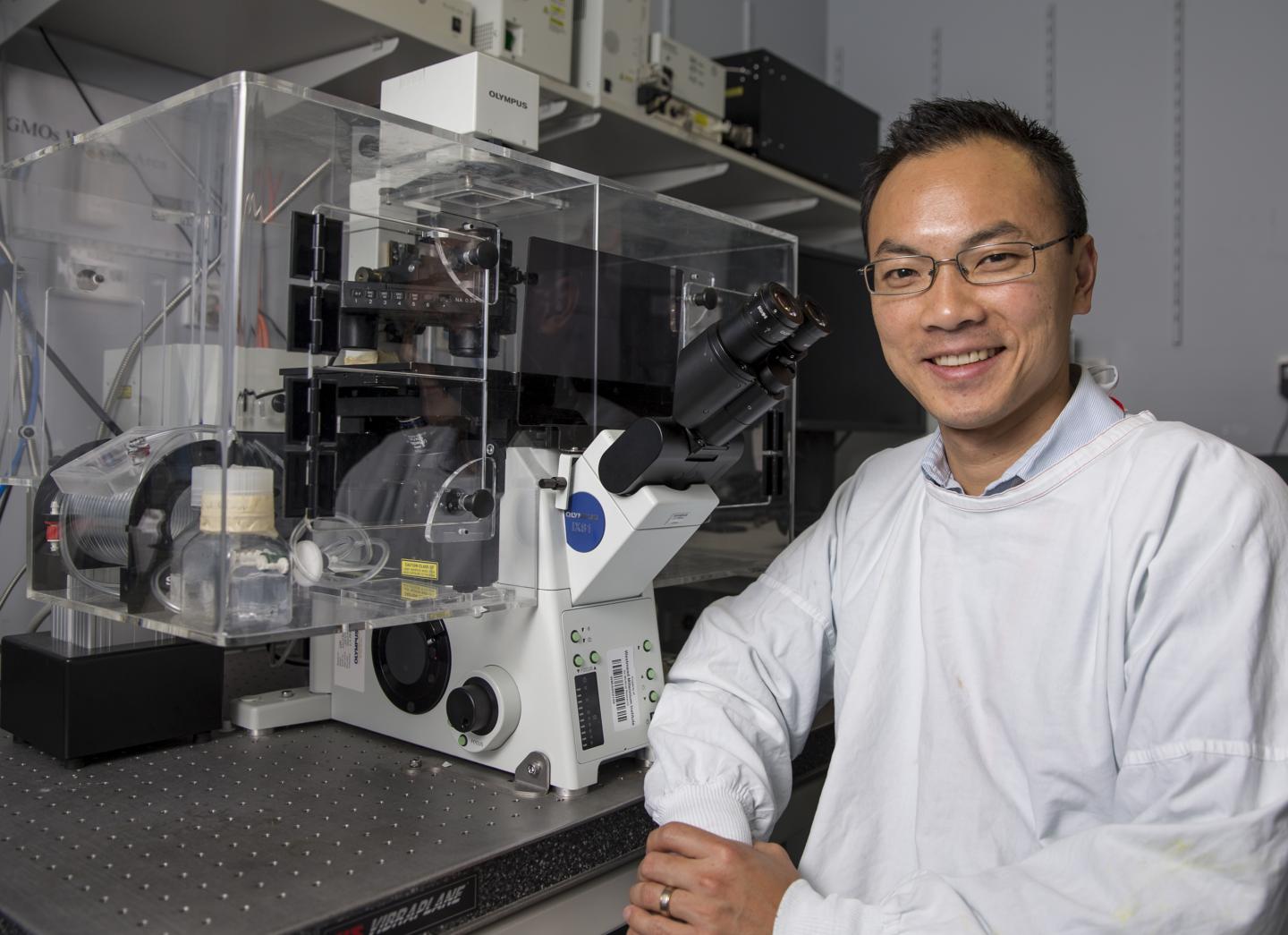
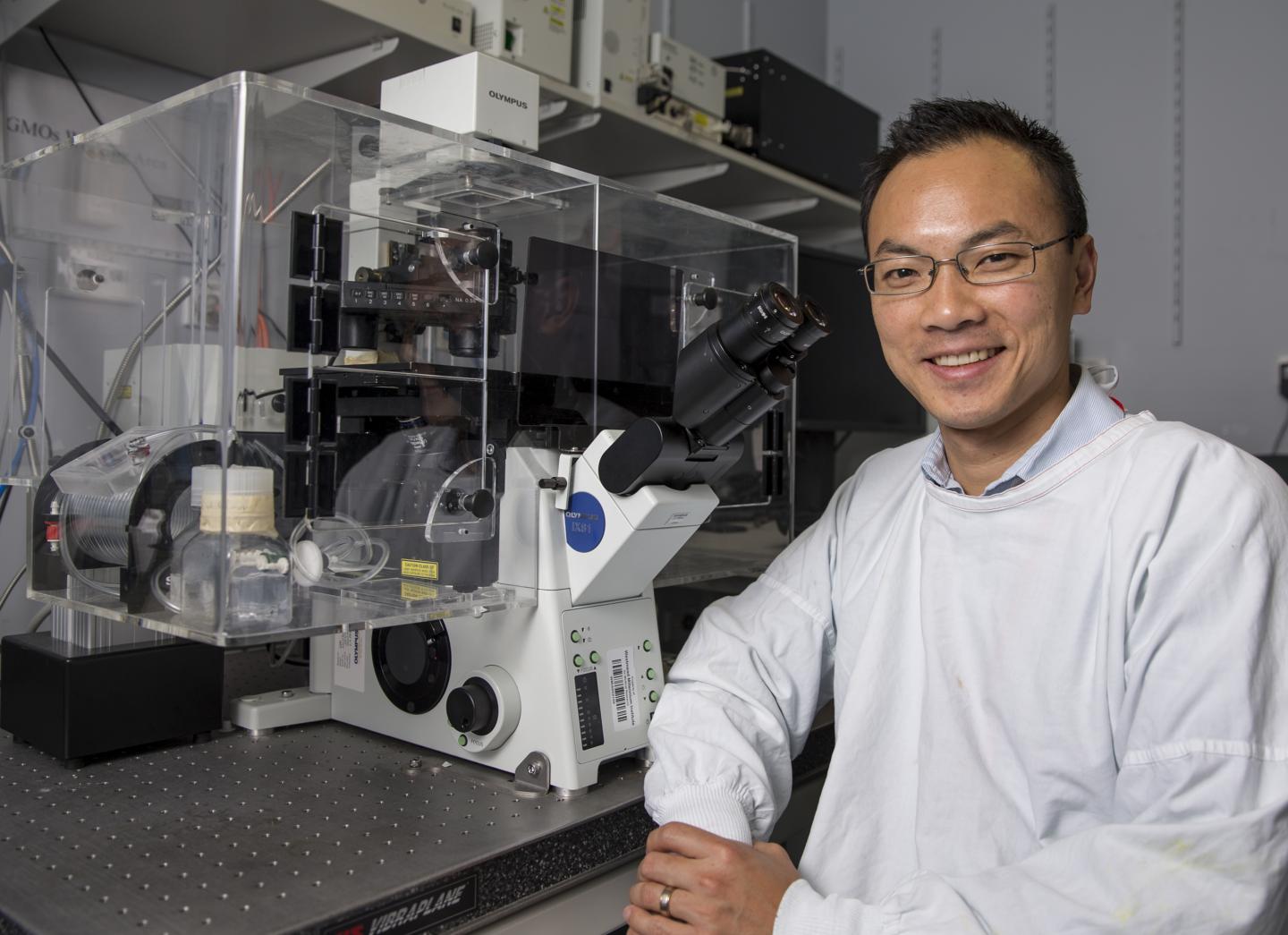
IMAGE

Credit: Westmead Institute

New research has shown how vitamin D may help protect heart tissue and prevent heart failure after a heart attack, potentially offering a low-cost addition to existing treatments for heart failure.

The team at the Westmead Institute for Medical Research found that vitamin D prevents excessive scarring and thickening of heart tissue following a heart attack, which may help reduce the risk of heart failure.

Researchers used mouse models to investigate the impact of 1,25D, a form of vitamin D that interacts with hormones, on the cells that form scar tissue after a heart attack. These cells are called cardiac colony-forming unit fibroblasts (cCFU-Fs).

Lead researcher Associate Professor James Chong said that vitamin D was known to help protect against heart failure, but its interaction with cCFU-Fs was not well established.

"The benefits of vitamin D are becoming increasingly known, but we still don't fully understand how mechanistically it can help with heart disease management. We wanted to know more about how vitamin D protects the heart after a heart attack," Associate Professor Chong explained.

Heart attacks occur when blood supply to the heart is blocked, leading to tissue damage. This triggers an inflammatory response where the cCFU-Fs replace the damaged tissue with collagen-based scar tissue.

"This is a problem because scarring of heart tissue can reduce the heart's ability to pump blood effectively, which can lead to heart failure," Associate Professor Chong said.

"Our research shows that vitamin D actually blocks the cCFU-Fs from forming scar tissue. By blocking cCFU-Fs, vitamin D may play an important role in lowering the risk of heart failure after a heart attack."

Heart failure is a life-threatening condition affecting an estimated 23 million people worldwide. Associate Professor Chong said that new treatments are necessary to reduce the global burden of heart failure.

"Cardiovascular diseases, including heart attacks and heart failure, are the leading cause of death worldwide," Associate Professor Chong said.

"To change this, we need to research heart conditions from every possible angle. This study is the first to demonstrate the role of 1,25D in regulating cardiac progenitor cells, and the findings are encouraging.

"With further study, vitamin D could prove to be an exciting, low-cost addition to current treatments, and we hope to progress these finding into clinical trials for humans," Associate Professor Chong concluded.

###

The paper is available online at Heart Lung and Circulation: http://www.heartlungcirc.org/article/S1443-9506(18)30037-4/fulltext

Media Contact

Alison Grinyer
[email protected]
61-286-273-024
@TheWestmead

http://www.westmeadinstitute.org.au/

Original Source

https://www.westmeadinstitute.org.au/news-and-events/2018/new-research-vitamin-d-may-help-prevent-heart-fa http://dx.doi.org/10.1016/j.hlc.2018.01.006


Share12Tweet8Share2ShareShareShare2

Related Posts

Exploring Decision-Making in Dementia Caregivers’ Mobility

February 7, 2026

Succinate Receptor 1 Limits Blood Cell Formation, Leukemia

February 7, 2026

Palmitoylation of Tfr1 Drives Platelet Ferroptosis and Exacerbates Liver Damage in Heat Stroke

February 7, 2026

Oxygen-Enhanced Dual-Section Microneedle Patch Improves Drug Delivery and Boosts Photodynamic and Anti-Inflammatory Treatment for Psoriasis

February 7, 2026
Please login to join discussion

POPULAR NEWS

  • Robotic Ureteral Reconstruction: A Novel Approach

    Robotic Ureteral Reconstruction: A Novel Approach

    82 shares
    Share 33 Tweet 21
  • Digital Privacy: Health Data Control in Incarceration

    63 shares
    Share 25 Tweet 16
  • Study Reveals Lipid Accumulation in ME/CFS Cells

    57 shares
    Share 23 Tweet 14
  • Breakthrough in RNA Research Accelerates Medical Innovations Timeline

    53 shares
    Share 21 Tweet 13

About

We bring you the latest biotechnology news from best research centers and universities around the world. Check our website.

Follow us

Recent News

Exploring Decision-Making in Dementia Caregivers’ Mobility

Succinate Receptor 1 Limits Blood Cell Formation, Leukemia

Palmitoylation of Tfr1 Drives Platelet Ferroptosis and Exacerbates Liver Damage in Heat Stroke

Subscribe to Blog via Email

Enter your email address to subscribe to this blog and receive notifications of new posts by email.

Join 73 other subscribers
  • Contact Us

Bioengineer.org © Copyright 2023 All Rights Reserved.

Welcome Back!

Login to your account below

Forgotten Password?

Retrieve your password

Please enter your username or email address to reset your password.

Log In
No Result
View All Result
  • Homepages
    • Home Page 1
    • Home Page 2
  • News
  • National
  • Business
  • Health
  • Lifestyle
  • Science

Bioengineer.org © Copyright 2023 All Rights Reserved.
