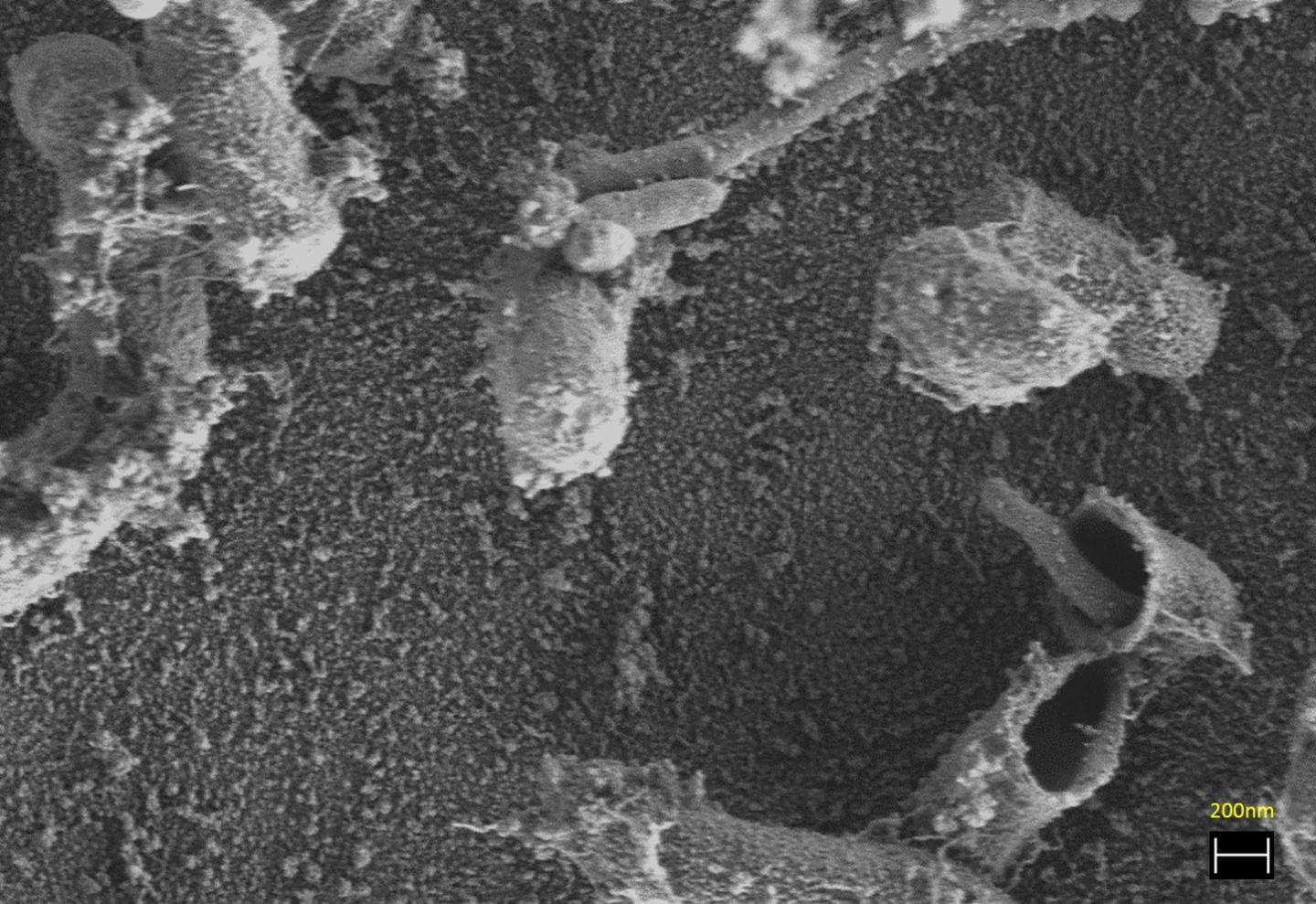
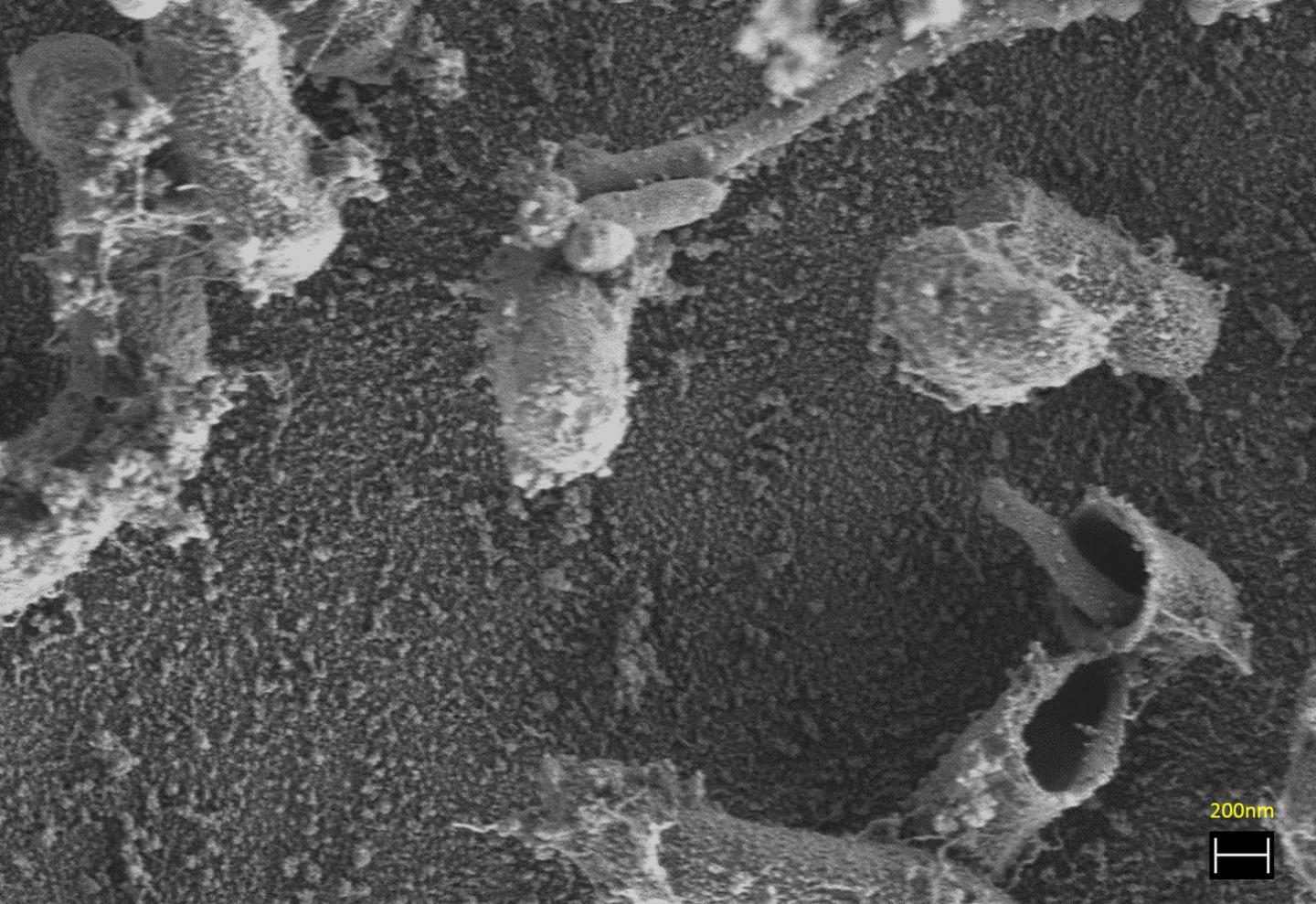
Credit: Pallavi Murugkar & Felicitas Bidlack
Cambridge, MA – March 5, 2018 – A team of researchers from The Forsyth Institute, a global leader in oral health research, today announced they have added over 80 species to generate the expanded Human Oral Microbiome Database (eHOMD), an online index of microbial species present in the mouth and respiratory tract, including the nasal passages and throat. The database is now home to 772 species and has put Forsyth researchers on the forefront of identifying and capturing the full genomic information of all species that comprise the human oral and upper respiratory tract microbiome.
"The expanded HOMD will provide a wealth of information for researchers worldwide who are beginning to recognize the connection between oral health and overall wellness," said Wenyuan Shi, CEO and Chief Scientific Officer at The Forsyth Institute. "The Forsyth Institute's culture of collaboration and experiential environment allowed for this major step, solidifying Forsyth's status as a world leader in oral and craniofacial health research."
The eHOMD provides the scientific community with comprehensive information on the bacterial species located in the human aerodigestive tract (ADT), which includes the mouth, throat, nose, sinuses and esophagus. Now, with Forsyth's research, the availability of these strains and their genome information will facilitate work by scientists across the globe, paving the way for new methods for fighting infectious diseases.
"The expansion of HOMD will allow scientists studying all sections of the aerodigestive system, not just the mouth, to use a carefully curated database for the bacteria that live on and in the nose, sinuses, throat, esophagus and mouth," said Floyd Dewhirst, Senior Member of Staff. "We have brought together key information and analytical tools for scientists and physicians to use to better understand human health and disease."
Of all the microbes in eHOMD, 57% are officially named, 13% unnamed but cultivated and 30% are known only as uncultivated phylotypes. A key aspect of eHOMD is that it provides a provisional naming system from as-yet-uncultivated microbes, allowing for comparison of research from labs worldwide. The expansion of the database is the culmination of two years of collaborative work by two teams of Forsyth researchers led by Isabel Fernandez Escapa, Katherine P. Lemon and Floyd E. Dewhirst with major contributions from Tsute Chen, Yanmei Huang and Prasad Gajare. This project was instigated with key support from Harvard Catalyst and further supported in part by the National Institute of Dental and Craniofacial Research and the National Institute of Allergy and Infectious Diseases.
About The Forsyth Institute
Founded in 1910, the Forsyth Institute is the only independent research organization in the United States dedicated to understanding the important connections between oral health and overall wellness. Forsyth scientists are shaping the direction of personalized medicine through pioneering biomedical research and its direct application to new diagnostics, devices and therapies. Forsyth combines its expertise in oral and associated systemic diseases with a relentless drive to ask — and answer — critical questions about how to best alleviate daily health challenges for billions. Forsyth is a not-for-profit organization that is also committed to treating underserved populations in local communities and on a national and global scale. To learn more about Forsyth, visit www.forsyth.org.
###
Media Contact:
Molly McGlynn
For The Forsyth Institute
617-933-5289
Media Contact
Molly McGlynn
[email protected]
617-933-5289
@ForsythResearch
Original Source
https://www.forsyth.org/news/forsyth-institute-expands-key-human-microbiome-database#.Wp6iMmrwbcs