• HOME
  • NEWS
  • EXPLORE
    • CAREER
      • Companies
      • Jobs
    • EVENTS
    • iGEM
      • News
      • Team
    • PHOTOS
    • VIDEO
    • WIKI
  • BLOG
  • COMMUNITY
    • FACEBOOK
    • INSTAGRAM
    • TWITTER
Saturday, February 7, 2026
BIOENGINEER.ORG
No Result
View All Result
  • Login
  • HOME
  • NEWS
  • EXPLORE
    • CAREER
      • Companies
      • Jobs
        • Lecturer
        • PhD Studentship
        • Postdoc
        • Research Assistant
    • EVENTS
    • iGEM
      • News
      • Team
    • PHOTOS
    • VIDEO
    • WIKI
  • BLOG
  • COMMUNITY
    • FACEBOOK
    • INSTAGRAM
    • TWITTER
  • HOME
  • NEWS
  • EXPLORE
    • CAREER
      • Companies
      • Jobs
        • Lecturer
        • PhD Studentship
        • Postdoc
        • Research Assistant
    • EVENTS
    • iGEM
      • News
      • Team
    • PHOTOS
    • VIDEO
    • WIKI
  • BLOG
  • COMMUNITY
    • FACEBOOK
    • INSTAGRAM
    • TWITTER
No Result
View All Result
Bioengineer.org
No Result
View All Result
Home NEWS Science News Health

New understanding of why cancer cells move

Bioengineer by Bioengineer
February 12, 2018
in Health
Reading Time: 2 mins read
0
Share on FacebookShare on TwitterShare on LinkedinShare on RedditShare on Telegram
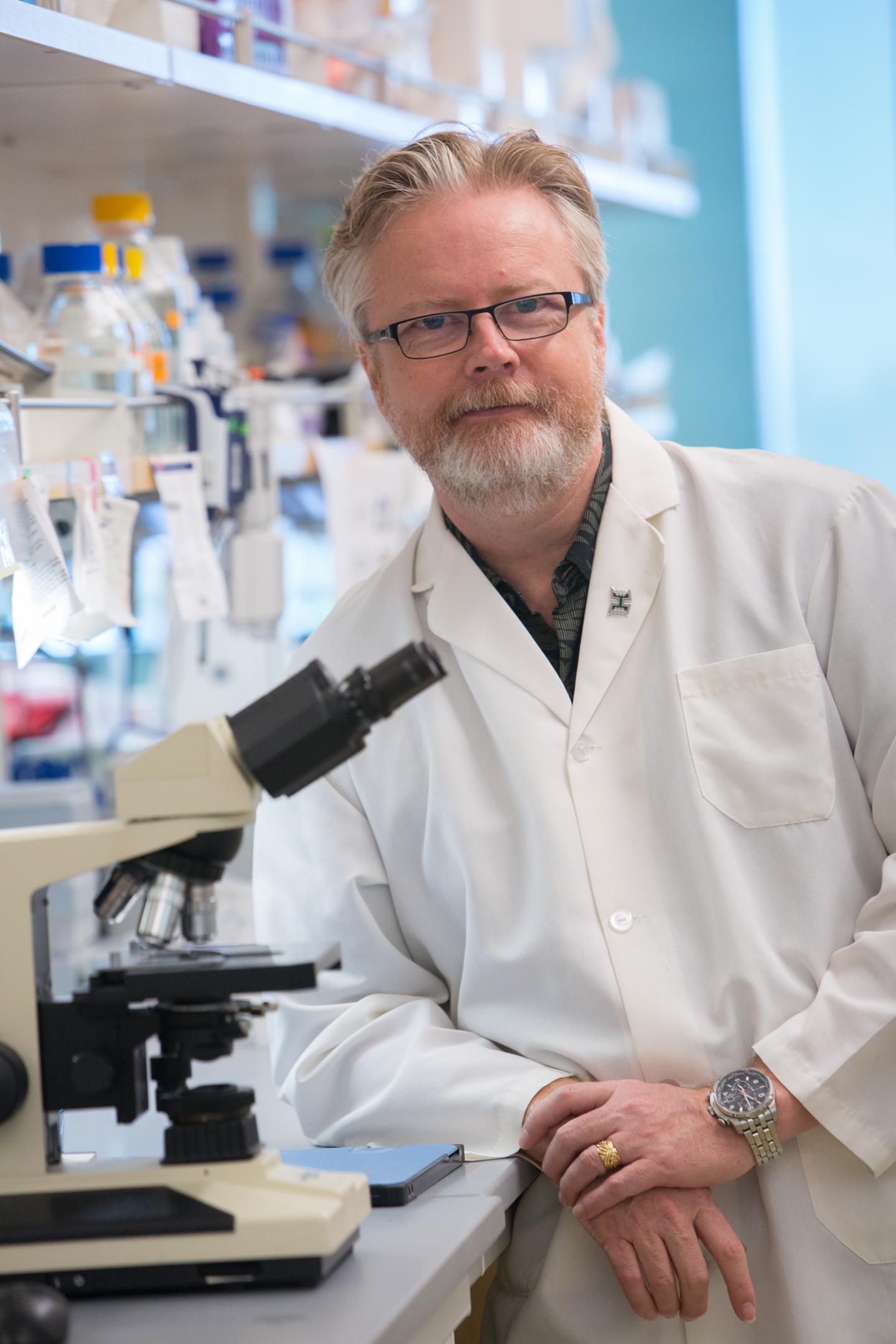
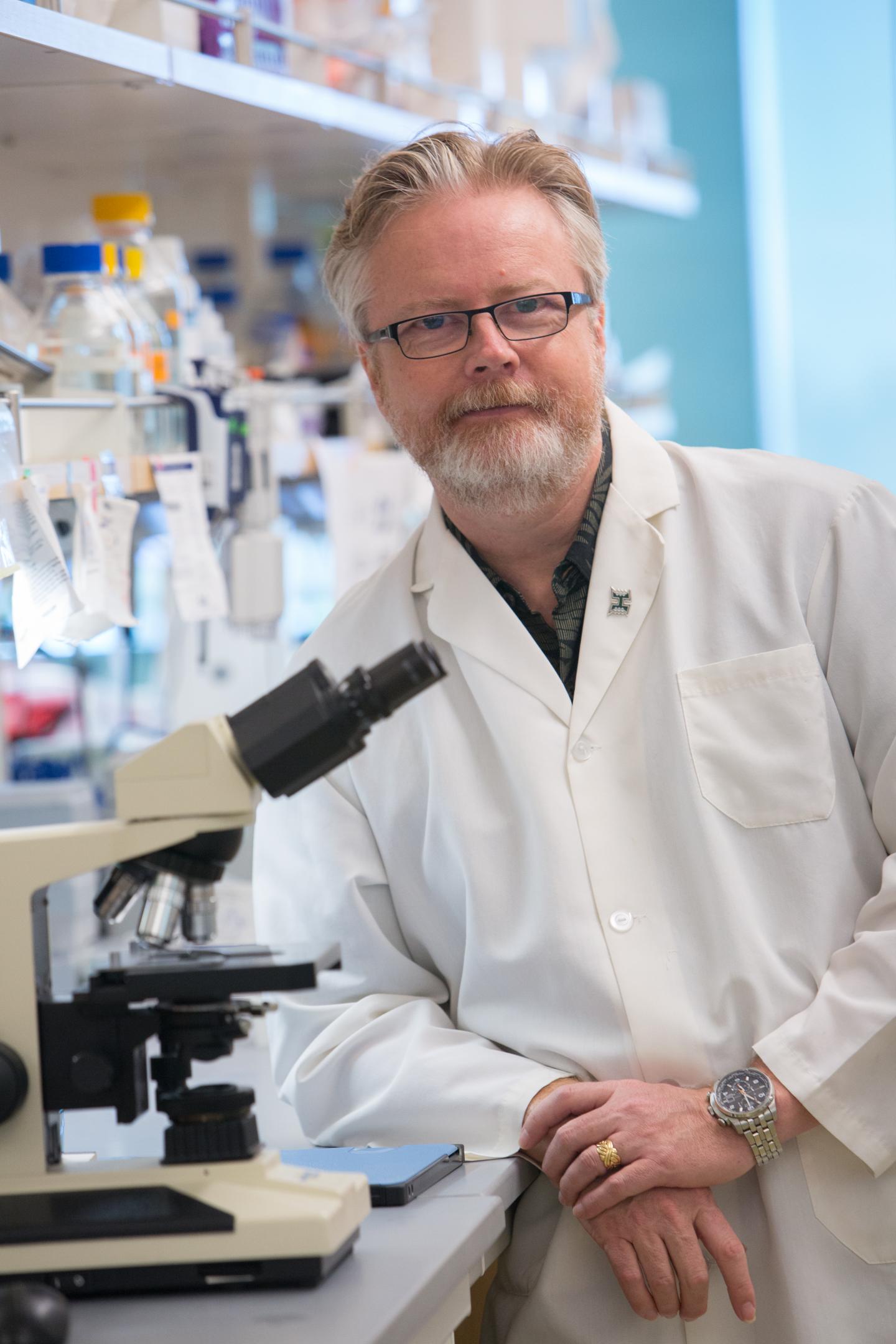
IMAGE

Credit: University of Hawaii Cancer Center

A University of Hawai'i Cancer Center researcher has identified how some cancer cells are made to move during metastasis. The research provides a better understanding of how cancer spreads and may create new opportunities for cancer drug development.

Metastasis causes the deaths of 90 percent of cancer patients. The spread of cancer by metastasis is driven by a set of mutant proteins called oncogenes which cause cancer cells to multiply uncontrollably and promotes their ability to move. How oncogene activity specifically directs the increased movement and metastasis is highly complex and remains largely unknown.

Joe W. Ramos, PhD, deputy director of the UH Cancer Center and collaborators focused on investigating how these oncogenes and related signals lead to dysregulation of normal processes within the cell and activate highly mobile and invasive cancer cell behavior.

The findings, published in Proceedings of the National Academy of Sciences (PNAS), define a mechanism in which the oncogenes turn on a protein called RSK2 that is required for cancer cells to move. Ramos and colleagues found that the RSK2 protein forms a signaling hub that includes proteins called LARG and RhoA. They show that turning on this signaling hub activates the movement of the cancer cells. These results significantly advance understanding of how cancer cells are made to move during metastasis and may provide more precise targets for drugs to stop cancer metastasis in patients where there are oncogenic mutations.

"These new data are very exciting. Blocking cancer invasion and metastasis remains a central challenge in treating patients. We anticipate that this research may lead to new therapeutic opportunities for brain tumors, melanoma, and breast cancer among others. We are currently focused on these opportunities and developing new compounds to target this signaling hub," said Ramos.

###

The work was done in collaboration with Michelle L. Matter, PhD, UH Cancer Center researcher in the Cancer Biology Program.

http://www.pnas.org/content/early/2017/12/19/1708584115.full

Media Contact

Nana Ohkawa
[email protected]
808-564-5911
@UHCancerCenter

http://www.uhcancercenter.org/

Related Journal Article

http://dx.doi.org/10.1073/pnas.1708584115

Share12Tweet8Share2ShareShareShare2

Related Posts

Personalized Guide to Understanding and Reducing Chemicals

February 7, 2026

Inflammasome Protein ASC Drives Pancreatic Cancer Metabolism

February 7, 2026

Phage-Antibiotic Combo Beats Resistant Peritoneal Infection

February 7, 2026

Boosting Remote Healthcare: Stepped-Wedge Trial Insights

February 7, 2026
Please login to join discussion

POPULAR NEWS

  • Robotic Ureteral Reconstruction: A Novel Approach

    Robotic Ureteral Reconstruction: A Novel Approach

    82 shares
    Share 33 Tweet 21
  • Digital Privacy: Health Data Control in Incarceration

    63 shares
    Share 25 Tweet 16
  • Study Reveals Lipid Accumulation in ME/CFS Cells

    57 shares
    Share 23 Tweet 14
  • Breakthrough in RNA Research Accelerates Medical Innovations Timeline

    53 shares
    Share 21 Tweet 13

About

We bring you the latest biotechnology news from best research centers and universities around the world. Check our website.

Follow us

Recent News

Personalized Guide to Understanding and Reducing Chemicals

Inflammasome Protein ASC Drives Pancreatic Cancer Metabolism

Phage-Antibiotic Combo Beats Resistant Peritoneal Infection

Subscribe to Blog via Email

Enter your email address to subscribe to this blog and receive notifications of new posts by email.

Join 73 other subscribers
  • Contact Us

Bioengineer.org © Copyright 2023 All Rights Reserved.

Welcome Back!

Login to your account below

Forgotten Password?

Retrieve your password

Please enter your username or email address to reset your password.

Log In
No Result
View All Result
  • Homepages
    • Home Page 1
    • Home Page 2
  • News
  • National
  • Business
  • Health
  • Lifestyle
  • Science

Bioengineer.org © Copyright 2023 All Rights Reserved.