• HOME
  • NEWS
  • EXPLORE
    • CAREER
      • Companies
      • Jobs
    • EVENTS
    • iGEM
      • News
      • Team
    • PHOTOS
    • VIDEO
    • WIKI
  • BLOG
  • COMMUNITY
    • FACEBOOK
    • INSTAGRAM
    • TWITTER
Thursday, April 2, 2026
BIOENGINEER.ORG
No Result
View All Result
  • Login
  • HOME
  • NEWS
  • EXPLORE
    • CAREER
      • Companies
      • Jobs
        • Lecturer
        • PhD Studentship
        • Postdoc
        • Research Assistant
    • EVENTS
    • iGEM
      • News
      • Team
    • PHOTOS
    • VIDEO
    • WIKI
  • BLOG
  • COMMUNITY
    • FACEBOOK
    • INSTAGRAM
    • TWITTER
  • HOME
  • NEWS
  • EXPLORE
    • CAREER
      • Companies
      • Jobs
        • Lecturer
        • PhD Studentship
        • Postdoc
        • Research Assistant
    • EVENTS
    • iGEM
      • News
      • Team
    • PHOTOS
    • VIDEO
    • WIKI
  • BLOG
  • COMMUNITY
    • FACEBOOK
    • INSTAGRAM
    • TWITTER
No Result
View All Result
Bioengineer.org
No Result
View All Result
Home NEWS Science News Biology

Harvest of nuisance black bears in New Jersey reducing human-bear conflicts

Bioengineer by Bioengineer
February 12, 2018
in Biology
Reading Time: 2 mins read
0
Share on FacebookShare on TwitterShare on LinkedinShare on RedditShare on Telegram
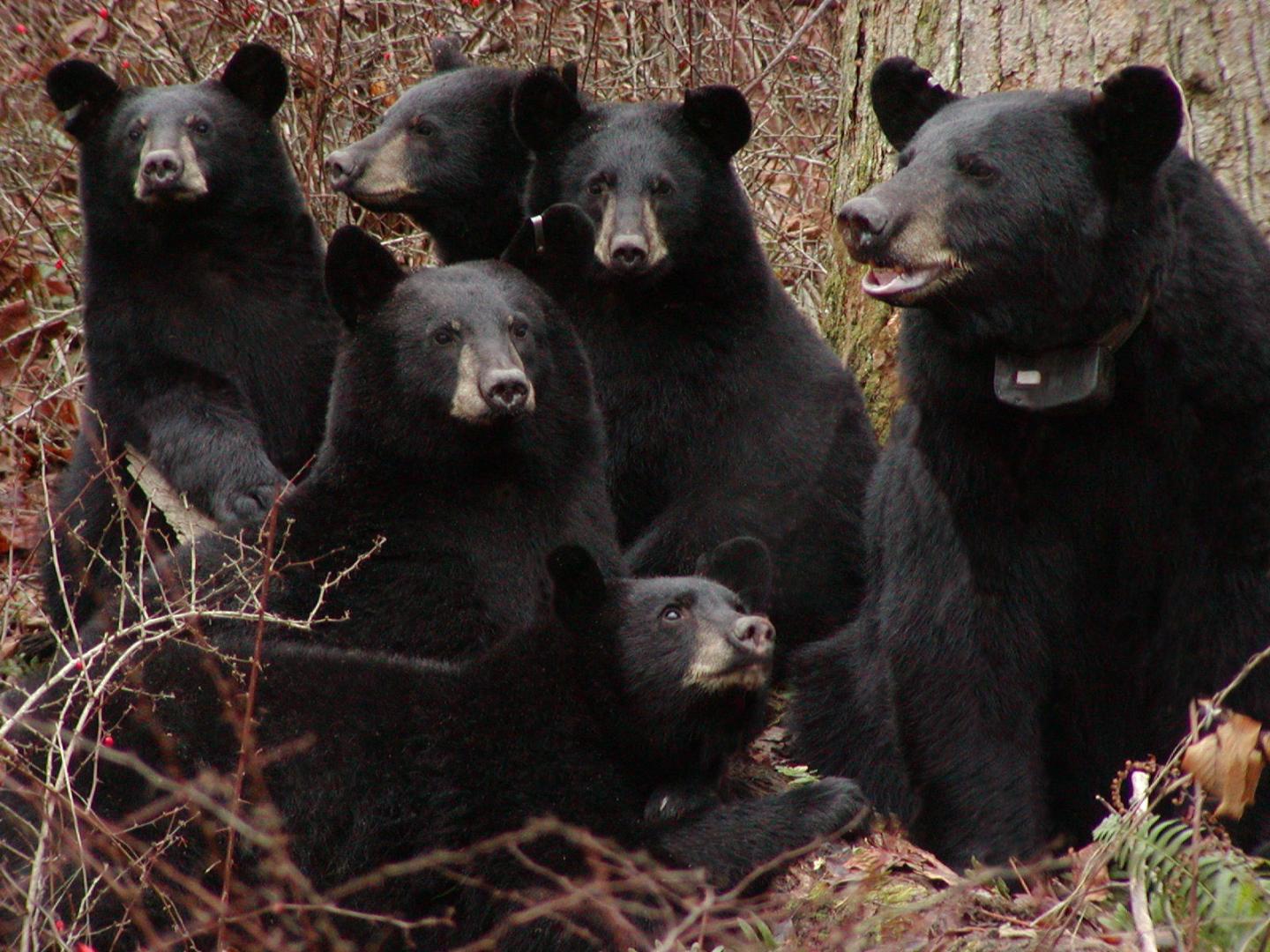
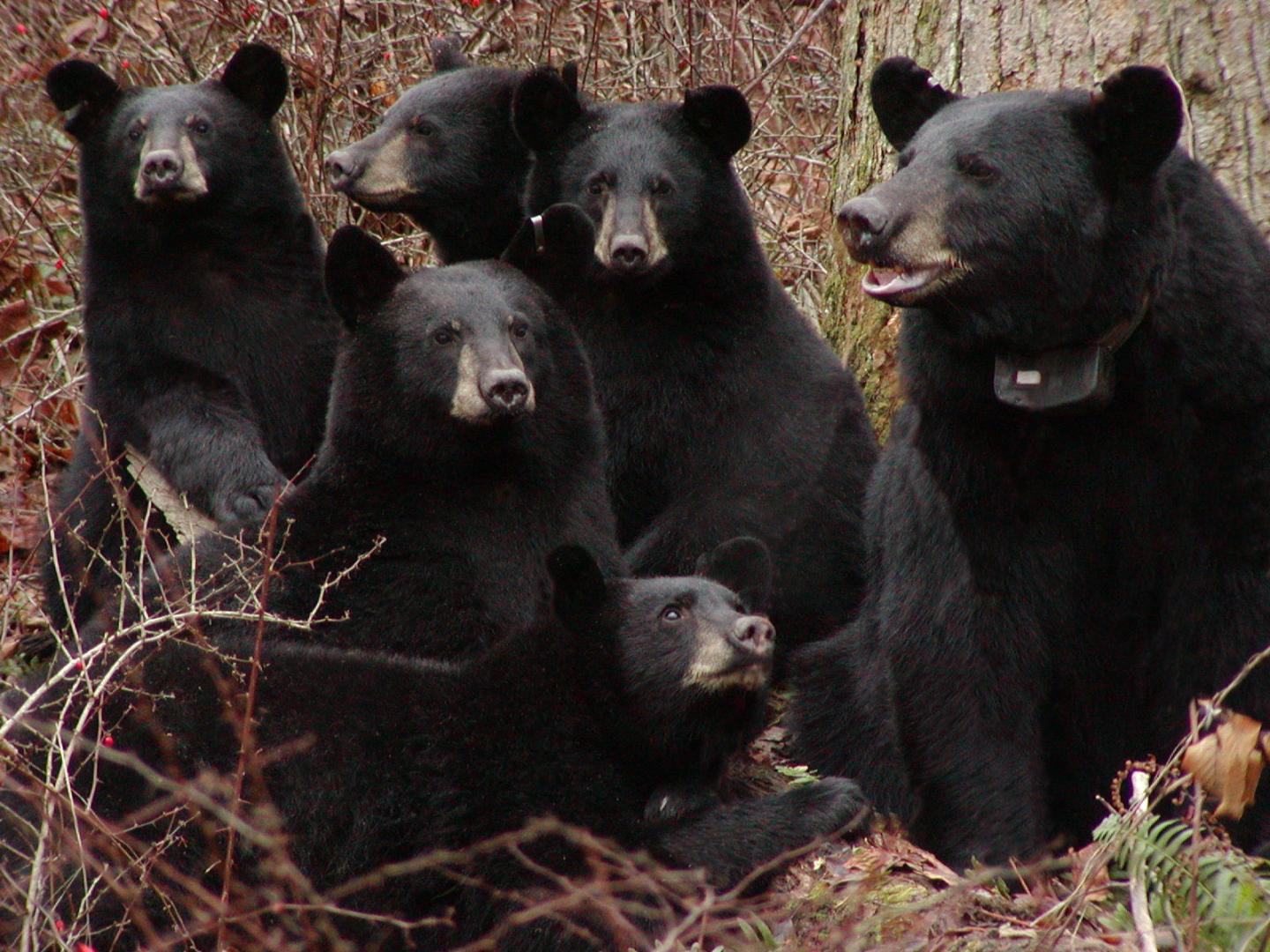
IMAGE

Credit: New Jersey Division of Fish and Wildlife

LOGAN, UTAH, USA – Is there room for black bears in human-dominated New Jersey? According to Utah State University researchers, the answer is yes, but only with science-based strategic planning, comprehensive management and thorough public education.

"Our research indicates regulated harvest of this recovered black bear population represents a pragmatic tool to help control population growth and, when coupled with incident-response management and educational programming, reduced the number of nuisance bear reports because hunters are more likely to harvest those bears with a history of being a nuisance," says USU researcher Jarod Raithel.

In a paper published Nov. 29, 2016, in the Journal of Applied Ecology, Raithel and USU colleagues Lise Aubry and David Koons, along with Melissa Reynolds-Hogland of Montana-based Bear Trust International and Patrick Carr of the New Jersey Division of Fish and Wildlife, discuss findings from a three-year analysis of NJDRW efforts and report the agency's nearly 35-year investment in bear research is paying off.

Nearly eradicated from the Garden State in the 1950s, later 20th century conservation efforts fostered a comeback and, by the early 2000s, some areas of New Jersey boasted bear densities on par with those of salmon-rich Alaska. But more bears meant more human-bear encounters and in 2003, New Jersey opted to lift its 33-year moratorium on black bear hunting.

Fortunately, NJDFW had the foresight, Raithel says, to invest in bear research early on.

"In 1981, NJDFW began compiling one of most comprehensive, long-term bear datasets in existence," says Raithel, a Presidential Doctoral Research Fellow in USU's Department of Wildland Resources and the USU Ecology Center. "The agency released the first Comprehensive Black Bear Management Policy in 2010, which requires maintaining healthy bear numbers, while curbing untenable population growth and reducing human-wildlife conflicts."

Encounters between large carnivores and humans generate excitement and, at times, tragic conflict. Even so, says Raithel, these animals are increasingly recognized as indispensable contributors of fully functioning ecosystems.

"Extirpation of these carnivores can have far-reaching, unintended consequences for humans," he says. "Thus, their harvest is often viewed as detrimental to conservation – understandable given the relentless human persecution of large carnivores. Yet here, a well-regulated harvest may actually improve the probability that black bears will persist, because removing the 'problem' individuals more frequently than those that stay out of trouble may ultimately increase the cultural carrying-capacity of New Jersey residents who live and recreate alongside bears."

Raithel says current land in the United States designated for wildlife protection will not suffice to ensure the long-term viability of apex carnivores.

"That means we have to focus on the wildland-human interface, where people and predators cross paths and figure out how to co-exist," he says. "For New Jersey, managed harvest appears to provide a balance, ensuring bear preservation and protecting human welfare and property."

###

Media Contact

Jarod Raithel
[email protected]
435-232-7139

http://www.usu.edu

Share12Tweet7Share2ShareShareShare1

Related Posts

Newly Discovered Chronic Pain Circuit Unveils Potential Avenues for Innovative Treatments

Newly Discovered Chronic Pain Circuit Unveils Potential Avenues for Innovative Treatments

April 2, 2026
DNA Transforms from Blueprint to Active Field Agent

DNA Transforms from Blueprint to Active Field Agent

April 2, 2026

UBC Okanagan Study Reveals How Trees Visually Signal Their Spring Rehydration

April 1, 2026

Rising Temperatures from Climate Change Associated with Reduced Newborn Size

April 1, 2026
Please login to join discussion

POPULAR NEWS

  • blank

    Revolutionary AI Model Enhances Precision in Detecting Food Contamination

    96 shares
    Share 38 Tweet 24
  • Imagine a Social Media Feed That Challenges Your Views Instead of Reinforcing Them

    1007 shares
    Share 398 Tweet 249
  • Promising Outcomes from First Clinical Trials of Gene Regulation in Epilepsy

    51 shares
    Share 20 Tweet 13
  • Popular Anti-Aging Compound Linked to Damage in Corpus Callosum, Study Finds

    44 shares
    Share 18 Tweet 11

About

We bring you the latest biotechnology news from best research centers and universities around the world. Check our website.

Follow us

Recent News

First-in-Class Dual HIF Inhibitors Eradicate Breast, Colorectal, Melanoma, and Prostate Tumors in Mice Combined with Immunotherapy

Electrochemical Ring-Opening Enables Programmable Strained-Ring Functionalization

Blocking RUNX1/2 Boosts Fat Tissue Thermogenesis

Subscribe to Blog via Email

Enter your email address to subscribe to this blog and receive notifications of new posts by email.

Join 78 other subscribers
  • Contact Us

Bioengineer.org © Copyright 2023 All Rights Reserved.

Welcome Back!

Login to your account below

Forgotten Password?

Retrieve your password

Please enter your username or email address to reset your password.

Log In
No Result
View All Result
  • Homepages
    • Home Page 1
    • Home Page 2
  • News
  • National
  • Business
  • Health
  • Lifestyle
  • Science

Bioengineer.org © Copyright 2023 All Rights Reserved.