• HOME
  • NEWS
  • EXPLORE
    • CAREER
      • Companies
      • Jobs
    • EVENTS
    • iGEM
      • News
      • Team
    • PHOTOS
    • VIDEO
    • WIKI
  • BLOG
  • COMMUNITY
    • FACEBOOK
    • INSTAGRAM
    • TWITTER
Tuesday, October 6, 2026
BIOENGINEER.ORG
No Result
View All Result
  • Login
  • HOME
  • NEWS
  • EXPLORE
    • CAREER
      • Companies
      • Jobs
        • Lecturer
        • PhD Studentship
        • Postdoc
        • Research Assistant
    • EVENTS
    • iGEM
      • News
      • Team
    • PHOTOS
    • VIDEO
    • WIKI
  • BLOG
  • COMMUNITY
    • FACEBOOK
    • INSTAGRAM
    • TWITTER
No Result
View All Result
Bioengineer.org
No Result
View All Result
Home NEWS Science News Health

Uncovering the hidden roles management partners play in ACOs

Bioengineer by Bioengineer
February 11, 2018
in Health
Reading Time: 2 mins read
0
Share on FacebookShare on TwitterShare on LinkedinShare on RedditShare on Telegram
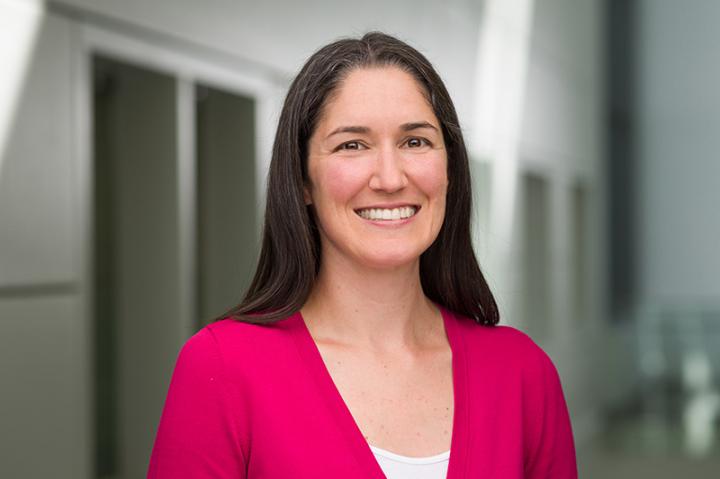
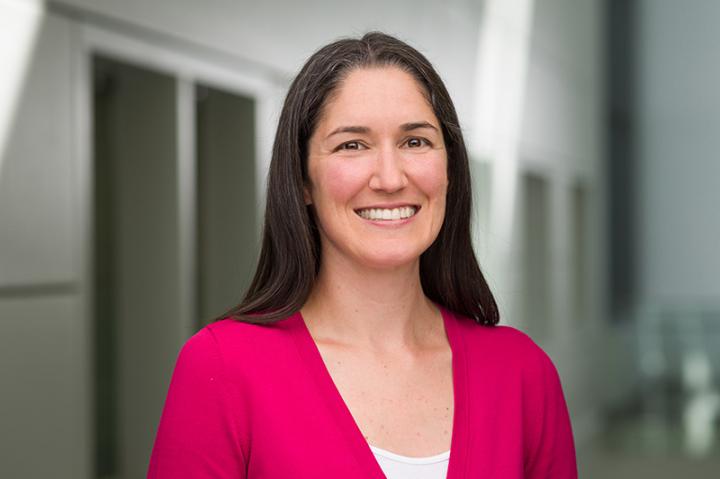
IMAGE

Credit: Dartmouth Institute

Despite an uncertain political climate and mixed results when it comes to achieving cost savings, the number of accountable care organizations (ACOs) in the United States is steadily increasing, with over 32 million people in the United States now receiving their care through an ACO. ACOs are often discussed and promoted as driven by physicians, hospitals, and other health care providers. Yet, a team of researchers from The Dartmouth Institute for Health Policy and Clinical Practice recently found that 37% of ACOs had a management partner, and two-thirds of these ACOs reported that the partner shared in the financial risks or rewards. In the first study of the role of management partners in ACOs, Dartmouth Institute researchers used data from the National Survey of Accountable Care Organizations to examine the prevalence of non-provider management partner involvement in ACOs, the services these partners provide, and the structure of ACOs that have such partners. They found 37% of ACOs had a management partner, and two-thirds of these ACOs reported that the partner shared in the financial risks or rewards.

Among their findings recently reported in Health Affairs:

  • Among ACOs with partners, 94% had data services provided by the partner, 87% received administrative services, 68% received educational services, and 66% received care coordination.
  • Half of these ACOs received all four of these services from their partner.
  • ACOs with and without partners were similar in performance, costs, and quality.
  • Significantly fewer ACOs without a management partner included a hospital (46% vs 74%) or were an integrated delivery system (36% vs 57%)
  • ACOs with a partner were also more likely to be composed of only physician groups (45% vs 18%) and have a higher proportion of primary care physicians. They were also less likely to offer specialty care or a number of other services (e.g. rehabilitation, home health).

The research team, led by Dartmouth Institute Associate Professor Valerie Lewis, PhD, says that their findings suggest that management partners are perhaps supplying smaller and physician-run organizations with necessary services or expertise, and that in many of these cases management partners are providing financing and acting as "ACO-enablers" by engaging physicians in ACO activity who otherwise would not be participating in ACOs.

"We need to understand the relationships between providers and management organizations in order to develop more effective policy," Lewis says. "For example, some observers have suggested that the fees management firms levy are high in relation to the services they provide. If we understood more about how savings are shared between physicians and partners, we could determine if regulation or protection was needed to help ensure that providers form contracts in their best interest."

###

Read more: http://www.healthaffairs.org/doi/abs/10.1377/hlthaff.2017.1025

Media Contact

Paige Stein
[email protected]
603-653-0850
@DartmouthInst

http://www.tdi.dartmouth.edu

Related Journal Article

http://dx.doi.org/10.1377/hlthaff.2017.1025
Share12Tweet8Share2ShareShareShare2

Related Posts

Macrolide Plus Nucleoside Combo Curbs SARS-CoV-2 and Shields Monkey Lungs

Macrolide Plus Nucleoside Combo Curbs SARS-CoV-2 and Shields Monkey Lungs

October 6, 2026
Follicular Fluid Proteins Reveal Metabolic and Immune Clues in Ovarian Syndrome

Follicular Fluid Proteins Reveal Metabolic and Immune Clues in Ovarian Syndrome

October 6, 2026

How Big Must a DNA Database Be? Massive Argentine Study Redefines Forensic Sampling Rules

October 6, 2026

When Eye Drops Cost Too Much: One in Ten Glaucoma Patients in Nepal Skips Medication to Save Money

October 6, 2026
Please login to join discussion

POPULAR NEWS

  • Alloys That Shrink Their Own Grains: New PIX Mechanism Refines Metals With Heat Alone

    Alloys That Shrink Their Own Grains: New PIX Mechanism Refines Metals With Heat Alone

    29 shares
    Share 12 Tweet 7
  • Endurance Exercise Reshapes the Liver in Males and Females Through Distinct Molecular Routes

    29 shares
    Share 12 Tweet 7
  • Single Transcription Factor PU.1 Rapidly Converts Fibroblasts into Macrophage-Lineage Cells

    29 shares
    Share 12 Tweet 7
  • New Scale Measures How Ready Nurse Educators Really Are for the AI Era

    29 shares
    Share 12 Tweet 7

About

We bring you the latest biotechnology news from best research centers and universities around the world. Check our website.

Follow us

Recent News

Alloys That Shrink Their Own Grains: New PIX Mechanism Refines Metals With Heat Alone

Endurance Exercise Reshapes the Liver in Males and Females Through Distinct Molecular Routes

Single Transcription Factor PU.1 Rapidly Converts Fibroblasts into Macrophage-Lineage Cells

Subscribe to Blog via Email

Success! An email was just sent to confirm your subscription. Please find the email now and click 'Confirm' to start subscribing.

Join 85 other subscribers
  • Contact Us

Bioengineer.org © Copyright 2023 All Rights Reserved.

Welcome Back!

Login to your account below

Forgotten Password?

Retrieve your password

Please enter your username or email address to reset your password.

Log In
No Result
View All Result
  • Homepages
    • Home Page 1
    • Home Page 2
  • News
  • National
  • Business
  • Health
  • Lifestyle
  • Science

Bioengineer.org © Copyright 2023 All Rights Reserved.