• HOME
  • NEWS
  • EXPLORE
    • CAREER
      • Companies
      • Jobs
    • EVENTS
    • iGEM
      • News
      • Team
    • PHOTOS
    • VIDEO
    • WIKI
  • BLOG
  • COMMUNITY
    • FACEBOOK
    • INSTAGRAM
    • TWITTER
Sunday, November 29, 2026
BIOENGINEER.ORG
No Result
View All Result
  • Login
  • HOME
  • NEWS
  • EXPLORE
    • CAREER
      • Companies
      • Jobs
        • Lecturer
        • PhD Studentship
        • Postdoc
        • Research Assistant
    • EVENTS
    • iGEM
      • News
      • Team
    • PHOTOS
    • VIDEO
    • WIKI
  • BLOG
  • COMMUNITY
    • FACEBOOK
    • INSTAGRAM
    • TWITTER
No Result
View All Result
Bioengineer.org
No Result
View All Result
Home NEWS Science News Technology

Alloying Elements Control Strength and Corrosion in Biodegradable Magnesium Implants

by
November 28, 2026
in Technology
Reading Time: 2 mins read
0
Alloying Elements Control Strength and Corrosion in Biodegradable Magnesium Implants

Alloying Elements Control Strength and Corrosion in Biodegradable Magnesium Implants

Share on FacebookShare on TwitterShare on LinkedinShare on RedditShare on Telegram

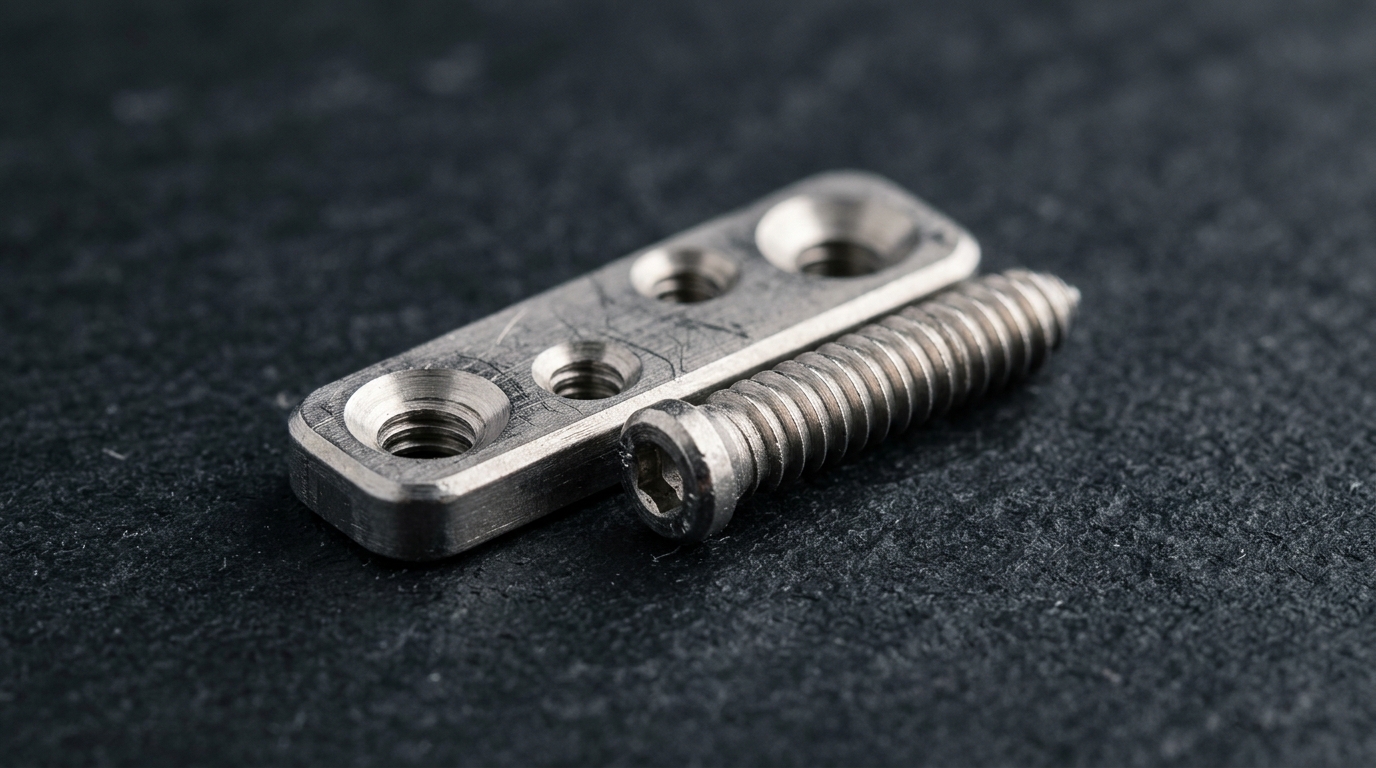
Magnesium and its alloys are promising candidate materials for temporary biodegradable implants, largely because of their good mechanical properties, natural degradation, and inherent biocompatibility with human tissue. However, rapid and uncontrolled corrosion of pure magnesium in physiological environments remains a primary obstacle to clinical translation. This rapid degradation frequently compromises the mechanical integrity of an implant before sufficient biological tissue healing can take place.

A systematic review published in Discover Applied Sciences evaluates how key alloying elements alter the microstructure, mechanical performance, degradation behaviour, and biological compatibility of magnesium-based implants. The authors analyzed the specific contributions of zinc, calcium, manganese, zirconium, strontium, aluminium, and rare earth elements including yttrium, neodymium, and gadolinium.

The review discusses the metallurgical mechanisms through which these elemental additions improve bulk strength and ductility. Principal strengthening mechanisms include solid-solution strengthening, grain refinement, and precipitation hardening across the metallic matrix.

In addition to reinforcing bulk mechanical strength, alloying elements fundamentally alter how magnesium implants behave in physiological environments. The review details how specific elements influence corrosion resistance, protective surface film formation, and the release of degradation products in bodily fluids.

Among the evaluated compositions, biocompatible non-rare-earth alloy formulations show significant promise for orthopaedic applications. Conversely, the review critically examines potential toxicity concerns associated with aluminium and certain rare earth elements in human implant applications.

Despite these advancements, several critical challenges remain before widespread clinical implementation can occur. Foremost among these hurdles is achieving a reliable balance between structural mechanical integrity and a controllable degradation rate. Furthermore, researchers must address local pH variations, physiological hydrogen gas evolution, and long-term biocompatibility risks in host tissues.

To resolve these translation obstacles, the authors identify several vital future directions for implant research. Key priorities include computational alloy design, advanced thermomechanical processing, protective surface engineering, and application-specific alloy development.

Subject of Research: Biodegradable magnesium alloy implants and their degradation performance

Article Title: Alloying elements shape the mechanical and degradation performance of biodegradable magnesium implants

Article References: Khan, S., Madhavan, B., & M, R. (2026). Alloying elements shape the mechanical and degradation performance of biodegradable magnesium implants. Discover Applied Sciences. https://doi.org/10.1007/s42452-026-09872-8

Image Credits: AI Generated

DOI: 10.1007/s42452-026-09872-8

Keywords: biodegradable implants, magnesium alloys, orthopaedic implants, corrosion resistance, biocompatibility, solid-solution strengthening, grain refinement, precipitation hardening, magnesium-zinc-calcium alloys, hydrogen gas evolution, physiological degradation, rare earth elements, surface film formation, computational alloy design, thermomechanical processing, tissue healing

News Source: Denise Maddox. (November 28, 2026). Alloying Elements Control Strength and Corrosion in Biodegradable Magnesium Implants. Scienmag.


Tags: biocompatibilitybiodegradable implantscomputational alloy designcorrosion resistancegrain refinementhydrogen gas evolutionmagnesium alloysmagnesium-zinc-calcium alloysorthopaedic implantsphysiological degradationprecipitation hardeningrare earth elementssolid-solution strengtheningsurface film formationthermomechanical processingtissue healing
Share12Tweet7Share2ShareShareShare1

Related Posts

Mathematicians Extend Classical Complex Analysis Theorems to General Metric Measure Spaces

Mathematicians Extend Classical Complex Analysis Theorems to General Metric Measure Spaces

November 29, 2026
Deep Learning Framework Outperforms Classical Econometric Models in Vietnam Volatility Forecasting

Deep Learning Framework Outperforms Classical Econometric Models in Vietnam Volatility Forecasting

November 29, 2026

Benchmarking Framework Identifies Optimal Real-Time Scheduling Algorithms for Automated Guided Vehicles

November 29, 2026

Rapidly Growing Vibrio natriegens Shows Promise and Clear Bottlenecks for Protein Production

November 29, 2026

POPULAR NEWS

  • Models Predict Thermophysical Properties and Ice Formation in Freezing Jussara Pulp

    Models Predict Thermophysical Properties and Ice Formation in Freezing Jussara Pulp

    29 shares
    Share 12 Tweet 7
  • Model Projects Five Interventions Could Cut Nigeria Maternal Mortality Seventy Percent

    29 shares
    Share 12 Tweet 7
  • Global Meta-Analysis Finds Obstructive Sleep Apnea Affects Most Diabetes Patients

    29 shares
    Share 12 Tweet 7
  • Dual-View Ground Rover Records Maize Reproductive Organs Using Tailored Deep Learning

    29 shares
    Share 12 Tweet 7

About

We bring you the latest biotechnology news from best research centers and universities around the world. Check our website.

Follow us

Recent News

Rural Nepal Adolescents Show High Abortion Support but Low Pregnancy Knowledge

Two Cases Detail Opposing Trajectories of Severe Hepatic Injury in HELLP Syndrome

Treatment Access Pathway Associated with Progression-Free Survival in Metastatic Breast Cancer

Subscribe to Blog via Email

Enter your email address to subscribe to this blog and receive notifications of new posts by email.

Join 90 other subscribers
  • Contact Us

Bioengineer.org © Copyright 2023 All Rights Reserved.

Welcome Back!

Login to your account below

Forgotten Password?

Retrieve your password

Please enter your username or email address to reset your password.

Log In
No Result
View All Result
  • Homepages
    • Home Page 1
    • Home Page 2
  • News
  • National
  • Business
  • Health
  • Lifestyle
  • Science

Bioengineer.org © Copyright 2023 All Rights Reserved.