• HOME
  • NEWS
  • EXPLORE
    • CAREER
      • Companies
      • Jobs
    • EVENTS
    • iGEM
      • News
      • Team
    • PHOTOS
    • VIDEO
    • WIKI
  • BLOG
  • COMMUNITY
    • FACEBOOK
    • INSTAGRAM
    • TWITTER
Saturday, February 7, 2026
BIOENGINEER.ORG
No Result
View All Result
  • Login
  • HOME
  • NEWS
  • EXPLORE
    • CAREER
      • Companies
      • Jobs
        • Lecturer
        • PhD Studentship
        • Postdoc
        • Research Assistant
    • EVENTS
    • iGEM
      • News
      • Team
    • PHOTOS
    • VIDEO
    • WIKI
  • BLOG
  • COMMUNITY
    • FACEBOOK
    • INSTAGRAM
    • TWITTER
  • HOME
  • NEWS
  • EXPLORE
    • CAREER
      • Companies
      • Jobs
        • Lecturer
        • PhD Studentship
        • Postdoc
        • Research Assistant
    • EVENTS
    • iGEM
      • News
      • Team
    • PHOTOS
    • VIDEO
    • WIKI
  • BLOG
  • COMMUNITY
    • FACEBOOK
    • INSTAGRAM
    • TWITTER
No Result
View All Result
Bioengineer.org
No Result
View All Result
Home NEWS Science News Biology

The Western Ghats of India revealed two new primitive species of…

Bioengineer by Bioengineer
February 11, 2018
in Biology
Reading Time: 2 mins read
0
Share on FacebookShare on TwitterShare on LinkedinShare on RedditShare on Telegram
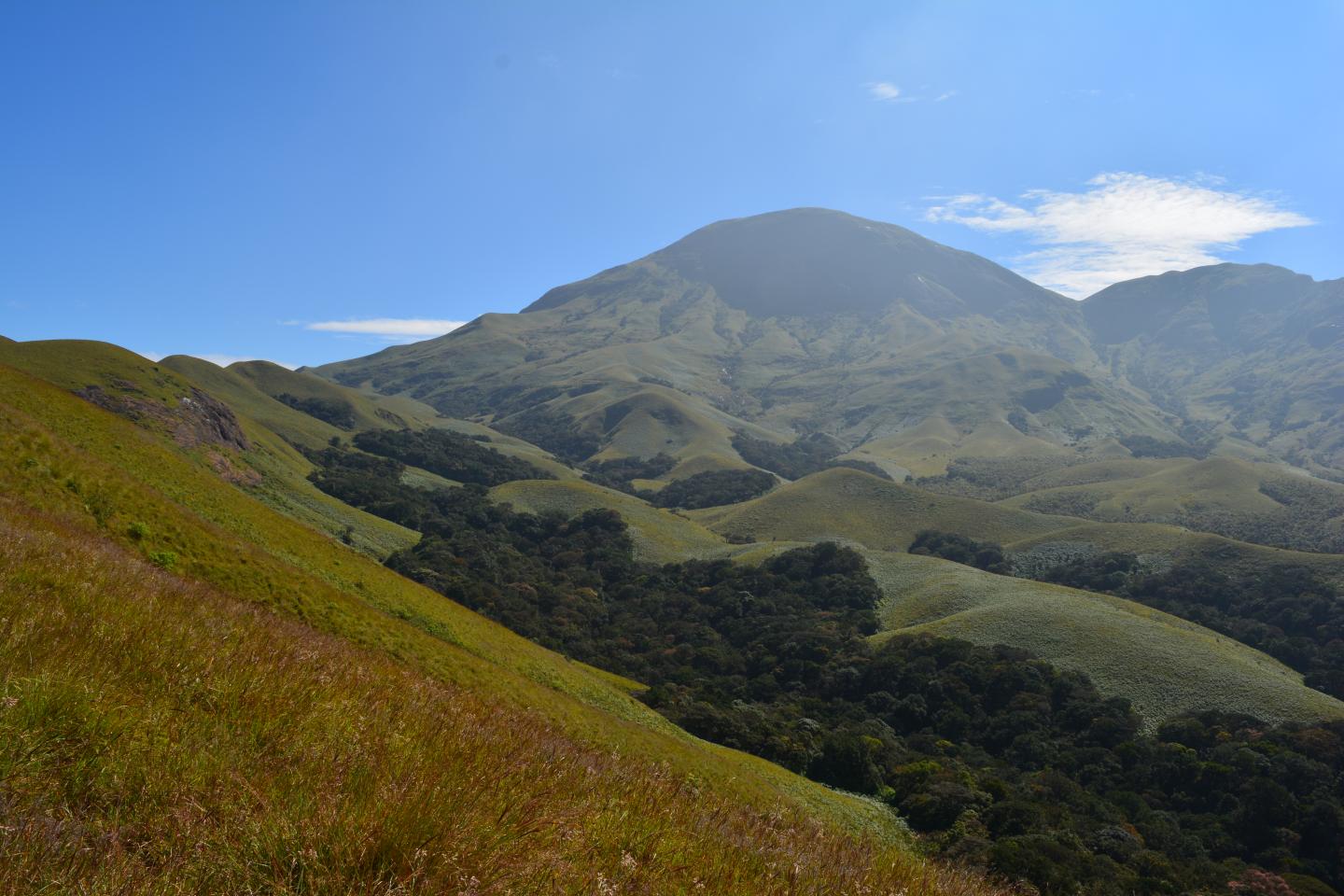
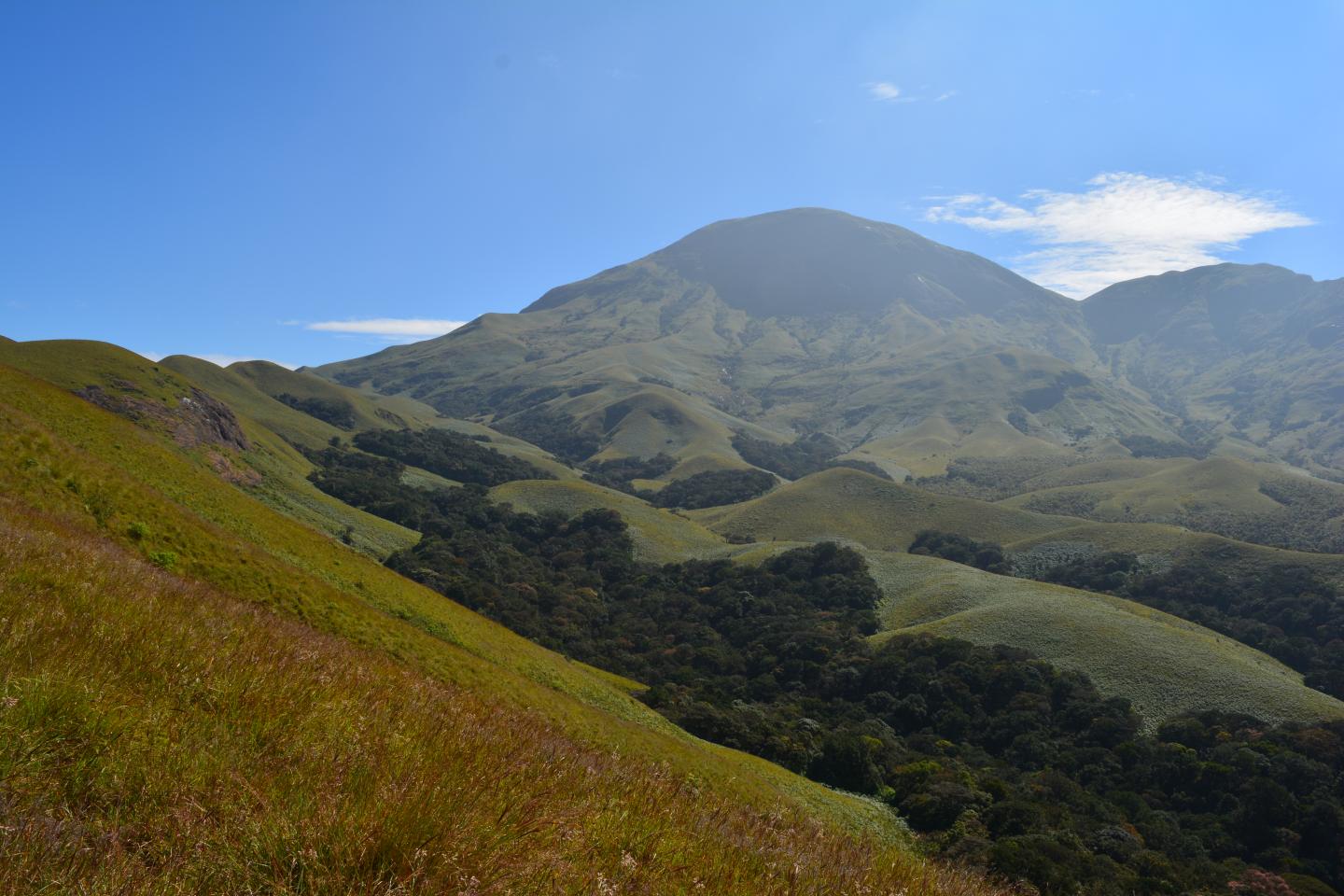
IMAGE

Credit: Dr S Prasanth Narayanan

The Western Ghats mountains lie at the southwestern continental margin of Peninsular India and extend all the way from Gujarat to Kerala. The massif has earned its place amongst the eight 'hottest' biodiversity hotspots in the world.

There is a great variety of vegetation types which, coupled with the high rainfall and the moderate yearly temperature in the Western Ghats, provide many different habitats. Therefore, the mountains an area rich in earthworm, as well as amphibian and reptile diversity.

The two new species, named Drawida polydiverticulata and Drawida thomasi, have been discovered in the Western Ghats mountain ranges in Kerala by scientists Dr. S. Prasanth Narayanan, Mr. S. Sathrumithra, Dr. G. Christopher, all affiliated with Mahatma Gandhi University and Dr. J.M. Julka of the Shoolini University, India. They belong to the primitive family Moniligastridae. The species are described in the open access journal ZooKeys.

The new earthworms are distinguished by a set of characters. For one of them – Drawida polydiverticulata – there were peculiar features which determined its species name (polydiverticulata). It turned out that its multiple lobes, also called diverticulums, an organ located in the front of its body, are unique amongst the members of the genus. This species was found to be widespread in the protected shola grasslands of the Munnar region, including Eravikulam National Park, Pampadun Shola National Park and Chinnar Wildlife Sanctuary.

The second new earthworm, Drawida thomasi, was collected at the Kozhippara Waterfalls near Kakkadampoyil, at the border between Malappuram and Kozhikode. The species name (thomasi) is a tribute to Prof. (Dr.) A.P. Thomas, the Director of the Advanced Centre of Environmental Studies and Sustainable Development (ACESSD), Mahatma Gandhi University, "who initiated the taxonomical studies on the earthworms in Kerala after being at a standstill for almost a century."

In addition to the new species, the scientists also report the occurrence of five species of the same genus that have not previously been recorded from the state.

To date, there are 73 species of the genus Drawida confirmed to be living in the Indian subcontinent. However, the greatest concentration (43 species) is found in the Western Ghats. The genus has an important centre of speciation in the southernmost state of Kerala.

Prior to this study, there had been sixteen Drawida species known from the state with ten of them being unique. The present discovery of two new species and five new local records further contributes to the vast species richness of the genus in the state.

At present, there are about 200 species known in the genus Drawida. Their habitats are spread across India throughout the Indochina region to southeastern Asia and up to the north in Japan.

###

Original source:

Narayanan SP, Sathrumithra S, Christopher G, Julka JM (2017) New species and new records of earthworms of the genus Drawida from Kerala part of the Western Ghats biodiversity hotspot, India (Oligochaeta, Moniligastridae). ZooKeys 691: 1-18. https://doi.org/10.3897/zookeys.691.13174

Media Contact

Dr S Prasanth Narayanan
[email protected]
@Pensoft

http://www.pensoft.net

Related Journal Article

http://dx.doi.org/10.3897/zookeys.691.13174
Share12Tweet8Share2ShareShareShare2

Related Posts

New Study Uncovers Mechanism Behind Burn Pit Particulate Matter–Induced Lung Inflammation

New Study Uncovers Mechanism Behind Burn Pit Particulate Matter–Induced Lung Inflammation

February 6, 2026

DeepBlastoid: Advancing Automated and Efficient Evaluation of Human Blastoids with Deep Learning

February 6, 2026

Navigating the Gut: The Role of Formic Acid in the Microbiome

February 6, 2026

AI-Enhanced Optical Coherence Photoacoustic Microscopy Revolutionizes 3D Cancer Model Imaging

February 6, 2026
Please login to join discussion

POPULAR NEWS

  • Robotic Ureteral Reconstruction: A Novel Approach

    Robotic Ureteral Reconstruction: A Novel Approach

    82 shares
    Share 33 Tweet 21
  • Digital Privacy: Health Data Control in Incarceration

    63 shares
    Share 25 Tweet 16
  • Study Reveals Lipid Accumulation in ME/CFS Cells

    57 shares
    Share 23 Tweet 14
  • Breakthrough in RNA Research Accelerates Medical Innovations Timeline

    53 shares
    Share 21 Tweet 13

About

We bring you the latest biotechnology news from best research centers and universities around the world. Check our website.

Follow us

Recent News

Scientists Identify SARS-CoV-2 PLpro and RIPK1 Inhibitors Showing Potent Synergistic Antiviral Effects in Mouse COVID-19 Model

Neg-Entropy: The Key Therapeutic Target for Chronic Diseases

Multidisciplinary Evidence-Based Guidelines for Therapeutic Drug Monitoring of Biologics in Inflammatory Bowel Disease

Subscribe to Blog via Email

Enter your email address to subscribe to this blog and receive notifications of new posts by email.

Join 73 other subscribers
  • Contact Us

Bioengineer.org © Copyright 2023 All Rights Reserved.

Welcome Back!

Login to your account below

Forgotten Password?

Retrieve your password

Please enter your username or email address to reset your password.

Log In
No Result
View All Result
  • Homepages
    • Home Page 1
    • Home Page 2
  • News
  • National
  • Business
  • Health
  • Lifestyle
  • Science

Bioengineer.org © Copyright 2023 All Rights Reserved.