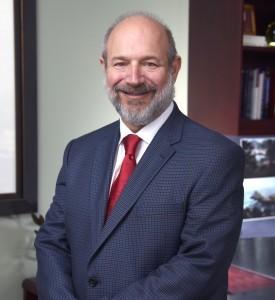
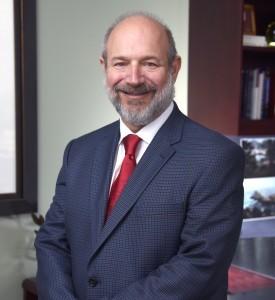
Credit: UT Southwestern Medical Center
UT Southwestern contribution increases by tenfold the mouse mutation resources of one type available to researchers worldwide
DALLAS – Oct. 5, 2016 – The world's supply of one type of mouse mutation available for research increased nearly tenfold with a recent transfer from the UT Southwestern Medical Center laboratory of Nobel Laureate Dr. Bruce Beutler to a repository supported by the National Institutes of Health (NIH) – a significant contribution that will help further medical and scientific discoveries.
The induced (man-made) germline mouse mutations developed in Dr. Beutler's UT Southwestern laboratory are critical to support genetic research in all mammals, including humans. Germline DNA is the genetic material in egg and sperm cells.
Dr. Beutler, Director of the Center for the Genetics of Host Defense at UT Southwestern, transferred the samples to the NIH-supported Mutant Mouse Resource and Research Centers (MMRRC), which collects, distributes, and flash-freezes scientifically valuable, genetically engineered mouse strains and cell lines. The repository, which makes these samples available to researchers worldwide, provides academic researchers with unique genetic models that are unavailable commercially.
UT Southwestern President Dr. Daniel K. Podolsky hailed the transfer as part of the institution's bench-to-bedside priority to translate scientific advances into lifesaving, improved patient care.
"There are many striking similarities between the genomes of the mouse and human, such that some genes have the same effects in both species. This contribution will make these powerful resources available to investigators worldwide to accelerate the discovery of new treatments and means of disease prevention," said Dr. Podolsky, who holds the Philip O'Bryan Montgomery, Jr., M.D. Distinguished Presidential Chair in Academic Administration, and the Doris and Bryan Wildenthal Distinguished Chair in Medical Science. "We are proud that this work has been done on our campus, and we expect that sharing this scientific resource will exert far-ranging impacts across the fields of science and medicine."
The estimated 175,000 mutations, cryopreserved in mouse sperm, represent nearly 90 percent of the man-made germline mutations available worldwide, said Dr. Beutler, also Professor of Immunology, a Regental Professor, and holder of the Raymond and Ellen Willie Distinguished Chair in Cancer Research, in Honor of Laverne and Raymond Willie, Sr. The mutations are found in 21,000 genes and include more than 16,000 characterized as "probably null," which to scientists and geneticists means the gene in question is essentially inactivated.
"Thousands of these null mutations — which are usually equivalent to a knockout model — are not available from any other source," Dr. Beutler said.
Dr. Beutler's UTSW laboratory was designed for high-throughput mutagenesis and phenotyping, meaning identification of genetic traits based on the interaction of genetics and the environment. The approximately 175,000 transferred mutations are part of the current mutation tally surpassing 265,000 logged on his laboratory's Mutagenetix website, Dr. Beutler said. Professor Chris Goodnow of the Garvan Institute of Medical Research in Sidney, Australia – a close collaborator of Dr. Beutler and co-recipient of funding from the NIH's National Institute of Allergy and Infectious Diseases (NIAID) — archived an additional 91,000 induced mutations, which are viewable at the Australian Phenomics Facility.
In addition to receiving primary funding from the NIAID, Dr. Beutler also received generous support from several sources, including the Kent and JoAnn Foster Family Foundation for the five-year effort that resulted in creating and characterizing the mutations.
The mutagenesis project grew out of his Nobel-prize winning research done at UT Southwestern from 1993 to 1998 exploring the genetics of host defense, meaning when the host, or body, recognizes and responds to infection. One line of defense is the body's innate immune response, which is launched against newly encountered pathogens.
A desire to find and understand all the genes and mutations involved in innate immunity led Dr. Beutler to create the Mutagenetix database to characterize every mutation responsible for immune abnormalities in mice and, ultimately, in humans.
"We are continuing to generate, index, and preserve close to 2,000 new mutations each week, and we would like all of the scientific community to benefit from them," Dr. Beutler said.
###
About UT Southwestern Medical Center UT Southwestern, one of the premier academic medical centers in the nation, integrates pioneering biomedical research with exceptional clinical care and education. The institution's faculty includes many distinguished members, including six who have been awarded Nobel Prizes since 1985. The faculty of almost 2,800 is responsible for groundbreaking medical advances and is committed to translating science-driven research quickly to new clinical treatments. UT Southwestern physicians provide medical care in about 80 specialties to more than 100,000 hospitalized patients and oversee approximately 2.2 million outpatient visits a year.
This news release is available on our website at http://www.utsouthwestern.edu/news.
To automatically receive news releases from UT Southwestern via email, subscribe at http://www.utsouthwestern.edu/receivenews
Media Contact
Deborah Wormser
[email protected]
214-648-9350
@UTSWNews
http://www.swmed.edu