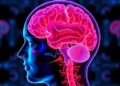
IMAGE: University of Missouri researchers have found that a medication commonly used to treat high blood pressure and irregular heartbeats may have the potential to improve some social functions of individuals…
Credit: Justin Kelley/MU Health
COLUMBIA, Mo. (Feb. 1, 2016) — An estimated 1 in 68 children in the United States has autism. The neurodevelopmental disorder, which impairs communication and social interaction skills, can be treated with medications and behavioral therapies, though there is no cure. Now, University of Missouri researchers have found that a medication commonly used to treat high blood pressure and irregular heartbeats may have the potential to improve some social functions of individuals with autism.
"Propranolol was first reported to improve the language and sociability skills of individuals with autism in 1987, but it was not a randomized, controlled trial, and there has been little follow-up research on this drug in relation to autism," said David Beversdorf, M.D., associate professor in the departments of radiology, neurology and psychological sciences at MU and the MU Thompson Center for Autism and Neurodevelopmental Disorders, and senior author of the study. "While its intended use is to treat high blood pressure, propranolol has been used off-label to treat performance anxiety for several years. However, this is the first study to show that a single dose of propranolol can improve the conversational reciprocity skills of individuals with autism."
Led by Rachel Zamzow, graduate student with the MU Center for Translational Neuroscience, 20 individuals with autism were recruited from the MU Thompson Center and given either a 40-milligram dose of propranolol or a placebo pill. An hour after administration, the researchers had a structured conversation with the participants, scoring their performance on six social skills necessary to maintain a conversation: staying on topic, sharing information, reciprocity or shared conversation, transitions or interruptions, nonverbal communication and maintaining eye contact. The researchers found the total communication scores were significantly greater when the individual took propranolol compared to the placebo.
"Though more research is needed to study its effects after more than one dose, these preliminary results show a potential benefit of propranolol to improve the conversational and nonverbal skills of individuals with autism," said Beversdorf, who also serves as the William and Nancy Thompson Endowed Chair in Radiology at MU. "Next, we hope to study the drug in a large clinical trial to establish the effects of regular doses and determine who would most likely benefit from this medication. Additional studies could lead the way for improved treatments for individuals with autism."
###
The study, "Effects of Propranolol on Conversational Reciprocity in Autism Spectrum Disorder: A Pilot, Double-blind, Single-dose Psychopharmacological Challenge Study," recently was published in Psychopharmacology. Research reported in this publication was supported by the Health Resources and Services Administration under award number 1R40MC19926. The content is solely the responsibility of the authors and does not necessarily represent the official views of the funding agency.
In addition to Beversdorf and Zamzow, the research team included Bradley Ferguson, graduate student with the MU Center for Translational Neuroscience; Janine Stichter, Ph.D., with the MU Department of Special Education; Eric Porges, Ph.D., with the Department of Aging and Geriatric Research at the University of Florida; Alexandra Ragsdale with the MU Department of Biological Sciences; and Morgan Lewis with the MU departments of biological sciences and psychological sciences.
Media Contact
Derek Thompson
[email protected]
573-882-3323
@mizzounews
http://www.missouri.edu