• HOME
  • NEWS
  • EXPLORE
    • CAREER
      • Companies
      • Jobs
    • EVENTS
    • iGEM
      • News
      • Team
    • PHOTOS
    • VIDEO
    • WIKI
  • BLOG
  • COMMUNITY
    • FACEBOOK
    • INSTAGRAM
    • TWITTER
Saturday, February 7, 2026
BIOENGINEER.ORG
No Result
View All Result
  • Login
  • HOME
  • NEWS
  • EXPLORE
    • CAREER
      • Companies
      • Jobs
        • Lecturer
        • PhD Studentship
        • Postdoc
        • Research Assistant
    • EVENTS
    • iGEM
      • News
      • Team
    • PHOTOS
    • VIDEO
    • WIKI
  • BLOG
  • COMMUNITY
    • FACEBOOK
    • INSTAGRAM
    • TWITTER
  • HOME
  • NEWS
  • EXPLORE
    • CAREER
      • Companies
      • Jobs
        • Lecturer
        • PhD Studentship
        • Postdoc
        • Research Assistant
    • EVENTS
    • iGEM
      • News
      • Team
    • PHOTOS
    • VIDEO
    • WIKI
  • BLOG
  • COMMUNITY
    • FACEBOOK
    • INSTAGRAM
    • TWITTER
No Result
View All Result
Bioengineer.org
No Result
View All Result
Home NEWS Science News Biology

Study reveals that adrenergic nerves control immune cells’ daily…

Bioengineer by Bioengineer
February 9, 2018
in Biology
Reading Time: 2 mins read
0
Share on FacebookShare on TwitterShare on LinkedinShare on RedditShare on Telegram
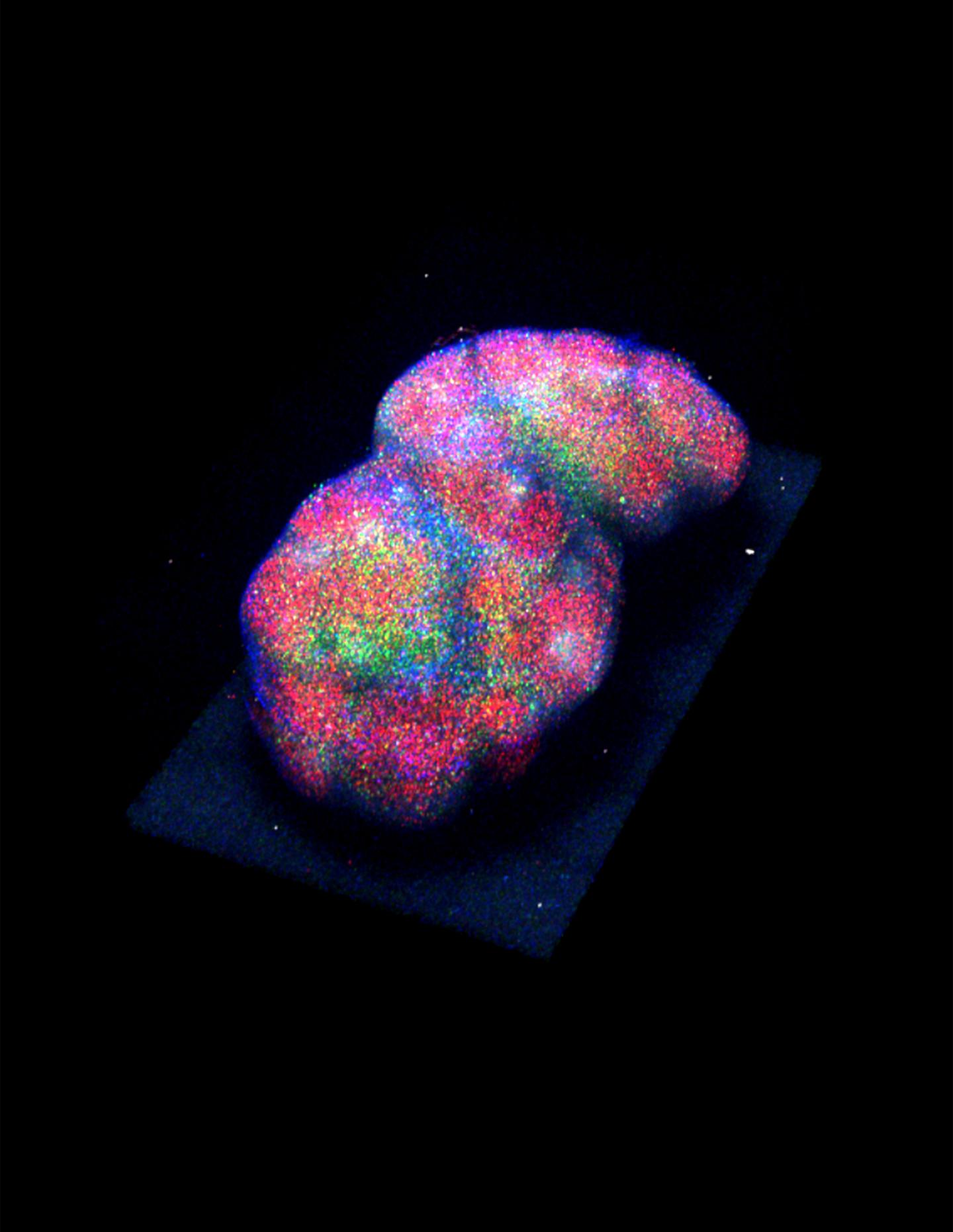
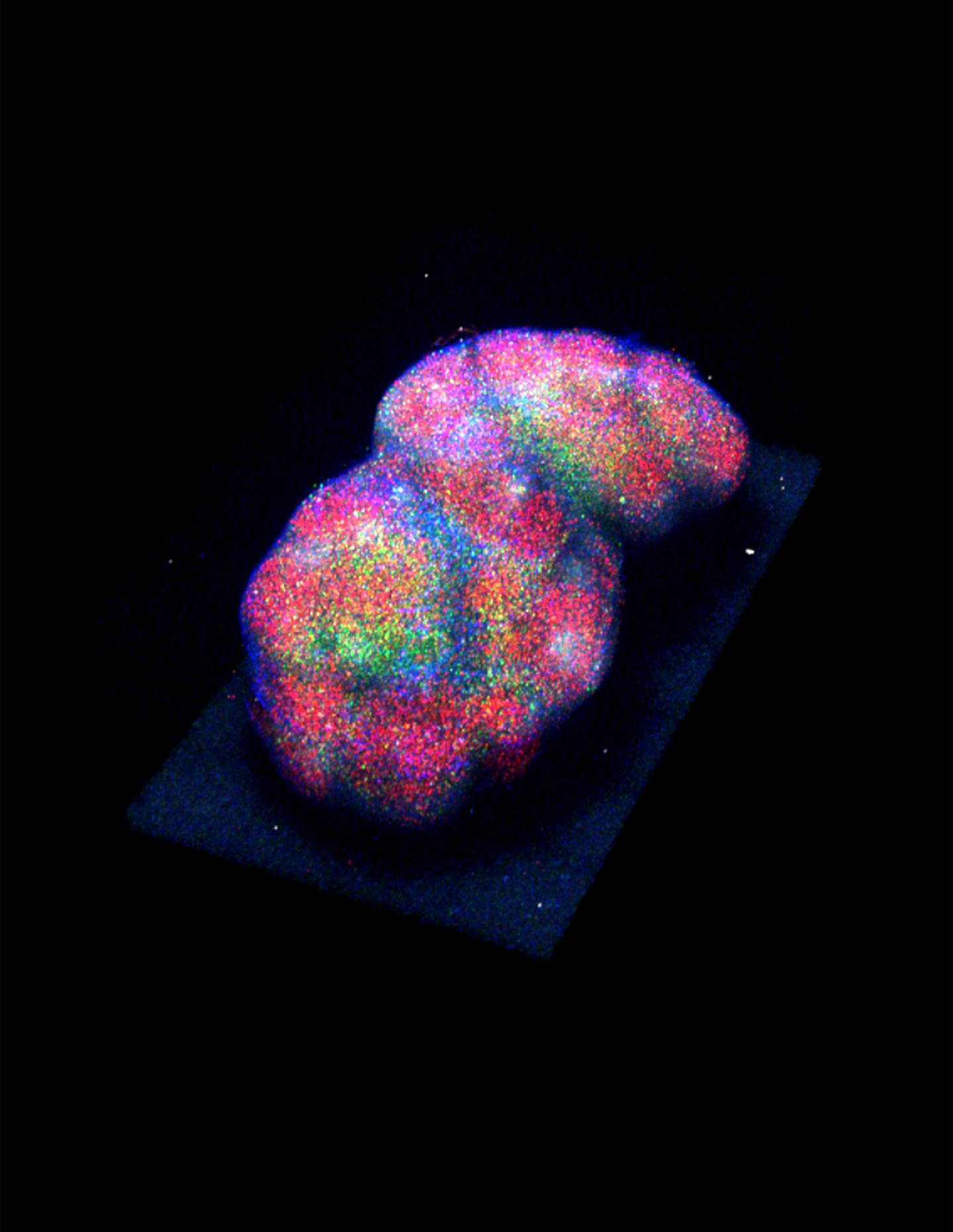
IMAGE

Credit: Image courtesy of Kazuhiro Suzuki.

Researchers in Japan have discovered that the adrenergic nervous system controls when white blood cells circulate through the body, boosting the immune response by retaining T and B cells in lymph nodes at the time of day when they are most likely to encounter foreign antigens. The study, "Adrenergic control of the adaptive immune response by diurnal lymphocyte recirculation through lymph nodes," will be published online October 31 ahead of issue in The Journal of Experimental Medicine.

On their way around the body, T and B cells pass through lymph nodes, where specialized cells may present them with antigen molecules captured from bacteria or other pathogens. The T and B cells then reenter the bloodstream in search of these pathogens so that they can kill them and fight off infection. Previous studies have suggested that number of T and B cells present in the bloodstream varies over the course of the day.

Kazuhiro Suzuki and colleagues from the WPI Immunology Frontier Research Center at Osaka University found that, in mice, the number of T and B cells in the blood peaked during the day and decreased during the night, when they accumulated in lymph nodes instead. This daily, or circadian, cycle of immune cell trafficking was regulated by the neurotransmitter noradrenaline, released from adrenergic nerves innervating the lymph nodes. The nerves secreted more noradrenaline at night, activating β2-adrenergic receptor molecules on the surface of T and B cells that impede the cells' exit from lymph nodes.

Mice mounted a stronger immune response if they were injected with antigens at night, when more of their T and B cells were exposed to antigen-presenting cells in lymph nodes. This makes sense, Suzuki and colleagues note, because mice are nocturnal creatures and are therefore more likely to encounter pathogens when they are active during the night. Accordingly, the daily cycle may be flipped in humans, whose T and B cells appear to accumulate in lymph nodes during the day, when adrenergic nerves are thought to be more active.

###

Suzuki, K., et al. 2016. J. Exp. Med. http://dx.doi.org/10.1084/jem.20160723

About The Journal of Experimental Medicine

The Journal of Experimental Medicine (JEM) features peer-reviewed research on immunology, cancer biology, stem cell biology, microbial pathogenesis, vascular biology, and neurobiology. All editorial decisions are made by research-active scientists in conjunction with in-house scientific editors. JEM provides free online access to many article types from the date of publication and to all archival content. Established in 1896, JEM is published by The Rockefeller University Press. For more information, visit jem.org.

Follow us on Twitter at @JExpMed and @RockUPress.

Media Contact

Ben Short
[email protected]
212-327-7053
@RockUPress

http://www.rupress.org/

Share14Tweet8Share2ShareShareShare2

Related Posts

Florida Cane Toad: Complex Spread and Selective Evolution

Florida Cane Toad: Complex Spread and Selective Evolution

February 7, 2026
New Study Uncovers Mechanism Behind Burn Pit Particulate Matter–Induced Lung Inflammation

New Study Uncovers Mechanism Behind Burn Pit Particulate Matter–Induced Lung Inflammation

February 6, 2026

DeepBlastoid: Advancing Automated and Efficient Evaluation of Human Blastoids with Deep Learning

February 6, 2026

Navigating the Gut: The Role of Formic Acid in the Microbiome

February 6, 2026
Please login to join discussion

POPULAR NEWS

  • Robotic Ureteral Reconstruction: A Novel Approach

    Robotic Ureteral Reconstruction: A Novel Approach

    82 shares
    Share 33 Tweet 21
  • Digital Privacy: Health Data Control in Incarceration

    63 shares
    Share 25 Tweet 16
  • Study Reveals Lipid Accumulation in ME/CFS Cells

    57 shares
    Share 23 Tweet 14
  • Breakthrough in RNA Research Accelerates Medical Innovations Timeline

    53 shares
    Share 21 Tweet 13

About

We bring you the latest biotechnology news from best research centers and universities around the world. Check our website.

Follow us

Recent News

Evaluating Pediatric Emergency Care Quality in Ethiopia

TPMT Expression Predictions Linked to Azathioprine Side Effects

Improving Dementia Care with Enhanced Activity Kits

Subscribe to Blog via Email

Success! An email was just sent to confirm your subscription. Please find the email now and click 'Confirm' to start subscribing.

Join 73 other subscribers
  • Contact Us

Bioengineer.org © Copyright 2023 All Rights Reserved.

Welcome Back!

Login to your account below

Forgotten Password?

Retrieve your password

Please enter your username or email address to reset your password.

Log In
No Result
View All Result
  • Homepages
    • Home Page 1
    • Home Page 2
  • News
  • National
  • Business
  • Health
  • Lifestyle
  • Science

Bioengineer.org © Copyright 2023 All Rights Reserved.