• HOME
  • NEWS
  • EXPLORE
    • CAREER
      • Companies
      • Jobs
    • EVENTS
    • iGEM
      • News
      • Team
    • PHOTOS
    • VIDEO
    • WIKI
  • BLOG
  • COMMUNITY
    • FACEBOOK
    • INSTAGRAM
    • TWITTER
Saturday, February 7, 2026
BIOENGINEER.ORG
No Result
View All Result
  • Login
  • HOME
  • NEWS
  • EXPLORE
    • CAREER
      • Companies
      • Jobs
        • Lecturer
        • PhD Studentship
        • Postdoc
        • Research Assistant
    • EVENTS
    • iGEM
      • News
      • Team
    • PHOTOS
    • VIDEO
    • WIKI
  • BLOG
  • COMMUNITY
    • FACEBOOK
    • INSTAGRAM
    • TWITTER
  • HOME
  • NEWS
  • EXPLORE
    • CAREER
      • Companies
      • Jobs
        • Lecturer
        • PhD Studentship
        • Postdoc
        • Research Assistant
    • EVENTS
    • iGEM
      • News
      • Team
    • PHOTOS
    • VIDEO
    • WIKI
  • BLOG
  • COMMUNITY
    • FACEBOOK
    • INSTAGRAM
    • TWITTER
No Result
View All Result
Bioengineer.org
No Result
View All Result
Home NEWS Science News Biology

Research examines impact of coral bleaching on Western…

Bioengineer by Bioengineer
February 9, 2018
in Biology
Reading Time: 2 mins read
0
Share on FacebookShare on TwitterShare on LinkedinShare on RedditShare on Telegram
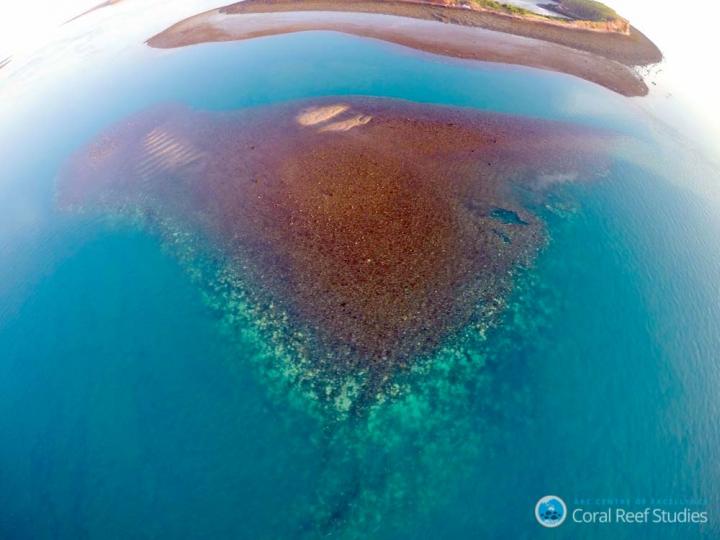
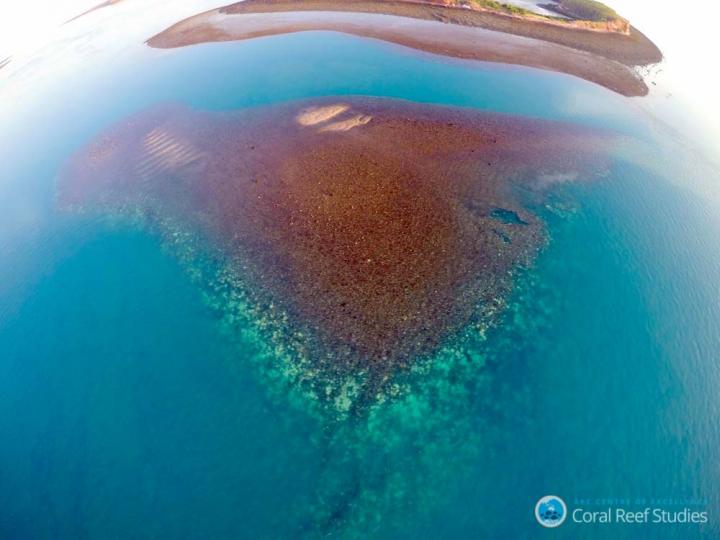
IMAGE

Credit: Dr Steeve Comeau

Researchers from The University of Western Australia (UWA), ARC Centre of Excellence for Coral Reef Studies, and Western Australian Marine Science Institution have examined the impact of the 2016 mass bleaching event on reefs in Western Australia (WA). They found significant bleaching occurred in the inshore Kimberley region, despite Kimberley corals being known as exceptionally stress resistant. They also found mild bleaching at Rottnest Island and that the Ningaloo Reef escaped bleaching.

The 2016 mass bleaching event is the most severe global bleaching event to ever be recorded.

Coral bleaching occurs as the result of abnormal environmental conditions, such as heightened sea temperatures that cause corals to expel tiny photosynthetic algae, called 'zooxanthellae.' The loss of these colourful algae causes the corals to turn white, and 'bleach'. Bleached corals can recover if the temperature drops and zooxanthellae are able to recolonise the coral, otherwise the coral may die.

The researchers, led by UWA's Dr Verena Schoepf and Masters student Morane Le Nohaïc, conducted surveys on the health of coral reefs along the Western Australian coastline from tropical to temperate locations.

"We found a concerning 57 to 80 per cent of corals on inshore Kimberley reefs were bleached in April 2016 – this included Montgomery Reef, Australia's largest inshore reef," Dr Schoepf said.

"Our research also found that there was mild bleaching at Rottnest Island – 29 per cent of corals were moderately bleached."

"Ningaloo Reef, a UNESCO World Heritage site, escaped bleaching, but had some temperature-unrelated coral mortality. Temperate corals at Bremer Bay (Southwest) experienced no bleaching."

Dr Schoepf said bleaching patterns were consistent with patterns of heat stress across WA.

"This is the first documented regional-scale bleaching event in WA during an El Nino year and the first time we have been able to measure the percentage of impacted corals in 2016," she said.

"Coral reefs in WA are now at risk of bleaching during both El Nino years, such as in 2016, and La Nina years, such as 2010/11. But the geographic footprint differs – the northwest is at risk during El Nino years, whereas Ningaloo Reef and reefs further south are at risk during the La Nina cycle."

"As bleaching events become more common in the future, it is critical to monitor how bleaching events impact coral reef resilience, and how long it takes reefs to recover from such catastrophic events."

###

The research will be published in the journal Scientific Reports (when embargo lifts).

Media Contact

Catherine Naum
[email protected]
61-042-878-5895
@CoralCoE

Home

Related Journal Article

http://dx.doi.org/10.1038/s41598-017-14794-y

Share12Tweet8Share2ShareShareShare2

Related Posts

Florida Cane Toad: Complex Spread and Selective Evolution

Florida Cane Toad: Complex Spread and Selective Evolution

February 7, 2026
New Study Uncovers Mechanism Behind Burn Pit Particulate Matter–Induced Lung Inflammation

New Study Uncovers Mechanism Behind Burn Pit Particulate Matter–Induced Lung Inflammation

February 6, 2026

DeepBlastoid: Advancing Automated and Efficient Evaluation of Human Blastoids with Deep Learning

February 6, 2026

Navigating the Gut: The Role of Formic Acid in the Microbiome

February 6, 2026
Please login to join discussion

POPULAR NEWS

  • Robotic Ureteral Reconstruction: A Novel Approach

    Robotic Ureteral Reconstruction: A Novel Approach

    82 shares
    Share 33 Tweet 21
  • Digital Privacy: Health Data Control in Incarceration

    63 shares
    Share 25 Tweet 16
  • Study Reveals Lipid Accumulation in ME/CFS Cells

    57 shares
    Share 23 Tweet 14
  • Breakthrough in RNA Research Accelerates Medical Innovations Timeline

    53 shares
    Share 21 Tweet 13

About

We bring you the latest biotechnology news from best research centers and universities around the world. Check our website.

Follow us

Recent News

Personalized Guide to Understanding and Reducing Chemicals

Inflammasome Protein ASC Drives Pancreatic Cancer Metabolism

Phage-Antibiotic Combo Beats Resistant Peritoneal Infection

Subscribe to Blog via Email

Enter your email address to subscribe to this blog and receive notifications of new posts by email.

Join 73 other subscribers
  • Contact Us

Bioengineer.org © Copyright 2023 All Rights Reserved.

Welcome Back!

Login to your account below

Forgotten Password?

Retrieve your password

Please enter your username or email address to reset your password.

Log In
No Result
View All Result
  • Homepages
    • Home Page 1
    • Home Page 2
  • News
  • National
  • Business
  • Health
  • Lifestyle
  • Science

Bioengineer.org © Copyright 2023 All Rights Reserved.