• HOME
  • NEWS
  • EXPLORE
    • CAREER
      • Companies
      • Jobs
    • EVENTS
    • iGEM
      • News
      • Team
    • PHOTOS
    • VIDEO
    • WIKI
  • BLOG
  • COMMUNITY
    • FACEBOOK
    • INSTAGRAM
    • TWITTER
Saturday, February 7, 2026
BIOENGINEER.ORG
No Result
View All Result
  • Login
  • HOME
  • NEWS
  • EXPLORE
    • CAREER
      • Companies
      • Jobs
        • Lecturer
        • PhD Studentship
        • Postdoc
        • Research Assistant
    • EVENTS
    • iGEM
      • News
      • Team
    • PHOTOS
    • VIDEO
    • WIKI
  • BLOG
  • COMMUNITY
    • FACEBOOK
    • INSTAGRAM
    • TWITTER
  • HOME
  • NEWS
  • EXPLORE
    • CAREER
      • Companies
      • Jobs
        • Lecturer
        • PhD Studentship
        • Postdoc
        • Research Assistant
    • EVENTS
    • iGEM
      • News
      • Team
    • PHOTOS
    • VIDEO
    • WIKI
  • BLOG
  • COMMUNITY
    • FACEBOOK
    • INSTAGRAM
    • TWITTER
No Result
View All Result
Bioengineer.org
No Result
View All Result
Home NEWS Science News Biology

MSU uses $3 million NASA grant to find better ways to regulate dams

Bioengineer by Bioengineer
February 9, 2018
in Biology
Reading Time: 2 mins read
0
Share on FacebookShare on TwitterShare on LinkedinShare on RedditShare on Telegram
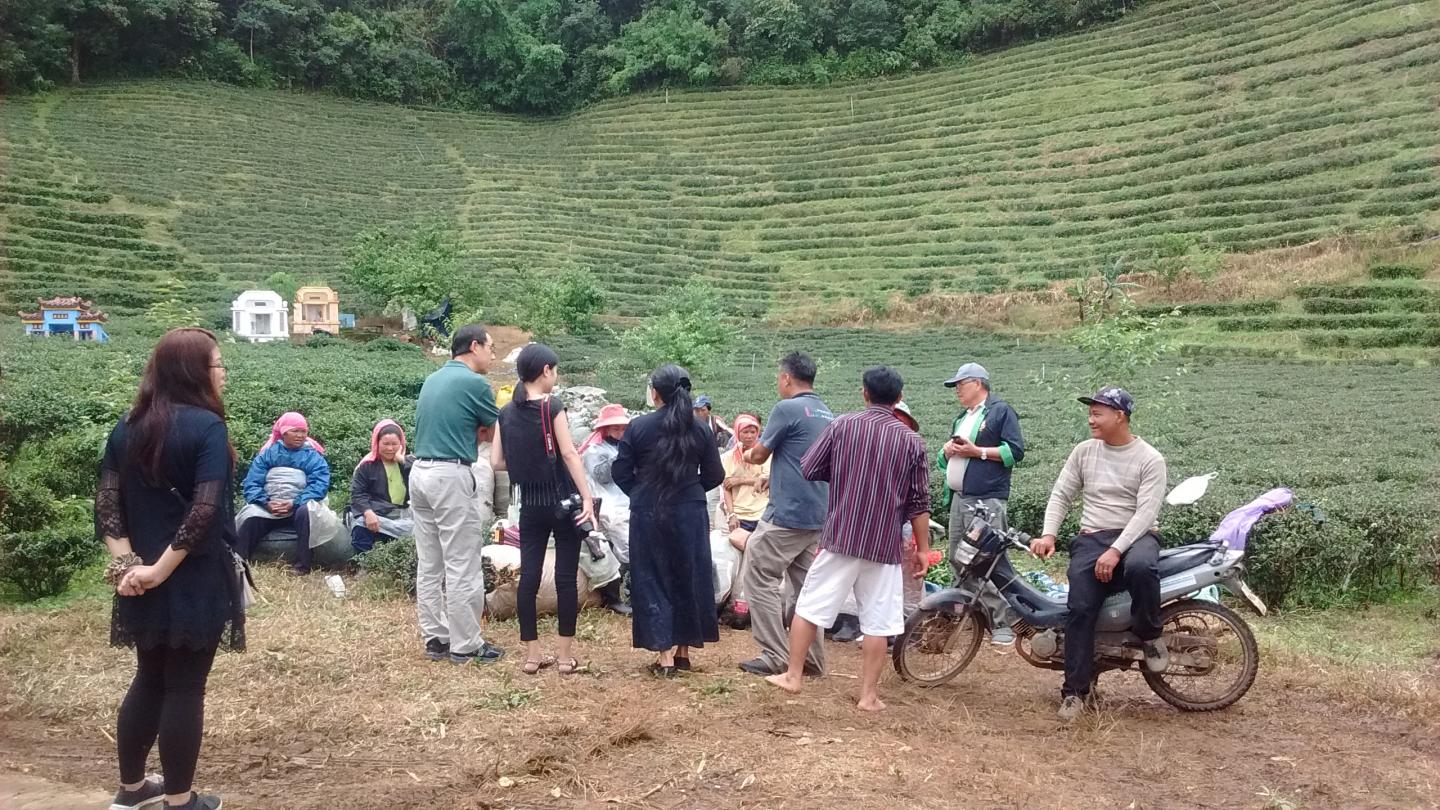
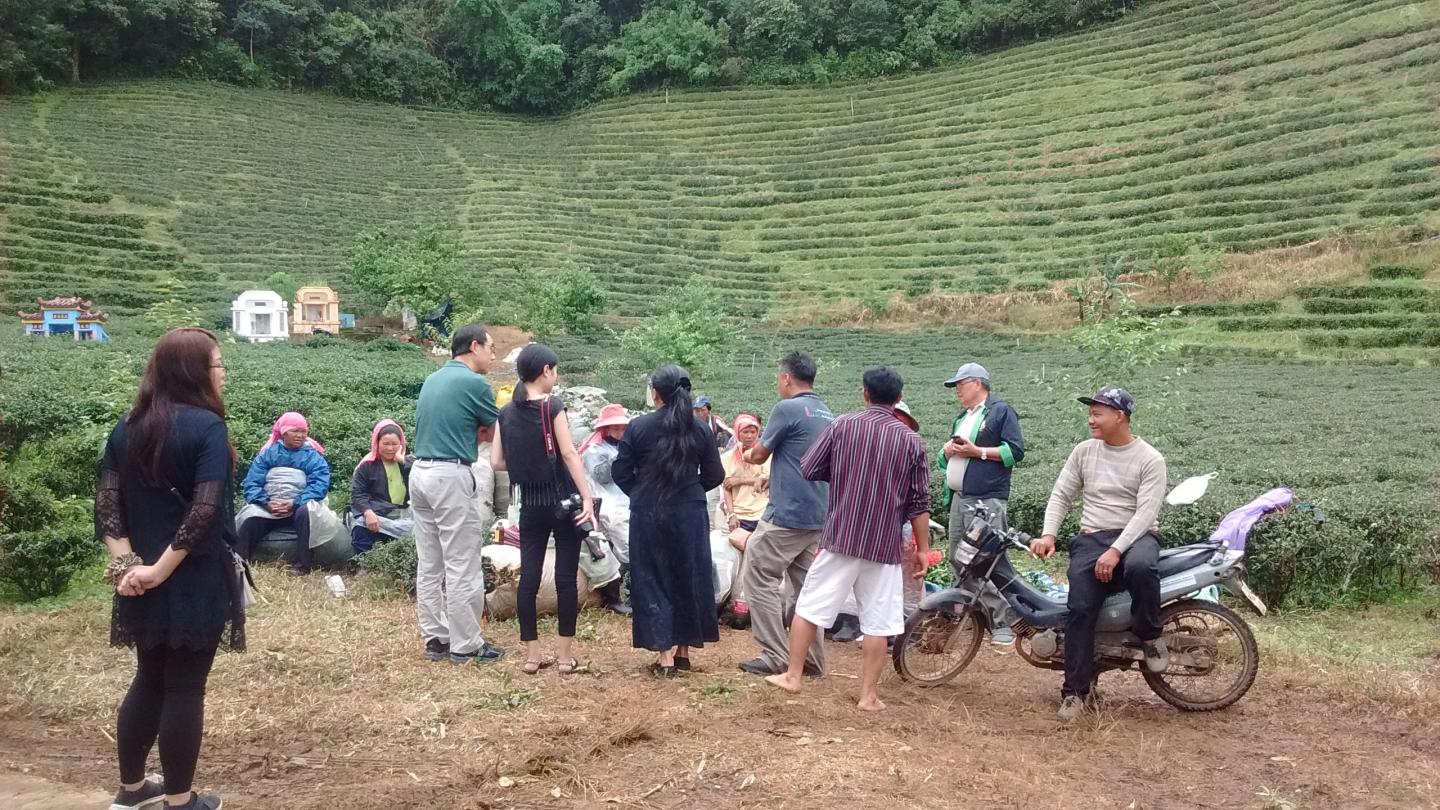
IMAGE

Credit: Michigan State University

Michigan State University researchers, equipped with $3 million from NASA, will investigate innovative methods to improve dams so that they are less harmful to people and the environment.

Focusing on the Lower Mekong River Basin in Southeast Asia, the world's largest freshwater fishery and home to 60 million people, the three-year project will use the science of remote sensing and on-the-ground interviews with local residents to create better policies for future dams.

Dam building "is booming," noted MSU's Daniel Kramer. But generating enough energy for a growing population in an environmentally and socially sustainable manner, he added, has yet to be achieved.

"This project is really about trying to maintain this balance, to meet this goal of sustainability, where we can provide the food we need, the energy we need, without devastating the environment in the process," said Kramer, professor of fisheries and wildlife and James Madison College and a co-investigator on the research.

With the project, which consists of two grants from NASA totaling $3 million, Kramer will collaborate with principal investigator Jiaguo Qi, professor of geography, and other scientists from MSU, along with researchers from Virginia Tech, Applied Geosolutions LLC in New Hampshire, and partners from countries in the Lower Mekong region.

The first grant will develop technologies to analyze the latest forms of satellite imagery – using active microwave technology – to understand the impact of dam construction on regional ecosystems.

Models calibrated with remotely sensed data will simulate historical water flows and project how those flows may change as a result of dam construction and shrinking glaciers in the Himalayan headwaters due to climate change.

The second grant will apply a social science approach through interviewing residents of communities surrounding and downstream from dams. The approach will focus on the community tradeoffs resulting from dams, such as economic benefits and the loss of wetland areas.

"The second project is investigating from the bottom-up how these changes are affecting people in depth using ethnographic and participatory methods," Kramer said. "Then, we use this understanding and marry it to our typical satellite imagery approach to better understand these changes."

Ultimately, he said, the project aims to not only reduce dams' negative impact on surrounding communities and ecosystems, but also to generate insights to improve the planning of future dams.

"This effort serves to understand what the downstream effects of dams might be, with the hopes that we can apply this knowledge more generally to other places that are also seeing this rapid construction of dams," Kramer said.

###

Other MSU researchers involved in the project are Peilei Fan, David Hyndman, William McConnell, Joseph Messina, Yadu Pokhrel, Jinhua Zhao and Daniel Ahlquist.

Media Contact

Caroline Brooks
[email protected]
517-432-0920
@MSUnews

http://msutoday.msu.edu/journalists/

Original Source

http://msutoday.msu.edu/news/2018/msu-uses-3m-nasa-grant-to-find-better-ways-to-regulate-dams/

Share12Tweet7Share2ShareShareShare1

Related Posts

Florida Cane Toad: Complex Spread and Selective Evolution

Florida Cane Toad: Complex Spread and Selective Evolution

February 7, 2026
New Study Uncovers Mechanism Behind Burn Pit Particulate Matter–Induced Lung Inflammation

New Study Uncovers Mechanism Behind Burn Pit Particulate Matter–Induced Lung Inflammation

February 6, 2026

DeepBlastoid: Advancing Automated and Efficient Evaluation of Human Blastoids with Deep Learning

February 6, 2026

Navigating the Gut: The Role of Formic Acid in the Microbiome

February 6, 2026
Please login to join discussion

POPULAR NEWS

  • Robotic Ureteral Reconstruction: A Novel Approach

    Robotic Ureteral Reconstruction: A Novel Approach

    82 shares
    Share 33 Tweet 21
  • Digital Privacy: Health Data Control in Incarceration

    63 shares
    Share 25 Tweet 16
  • Study Reveals Lipid Accumulation in ME/CFS Cells

    57 shares
    Share 23 Tweet 14
  • Breakthrough in RNA Research Accelerates Medical Innovations Timeline

    53 shares
    Share 21 Tweet 13

About

We bring you the latest biotechnology news from best research centers and universities around the world. Check our website.

Follow us

Recent News

Personalized Guide to Understanding and Reducing Chemicals

Inflammasome Protein ASC Drives Pancreatic Cancer Metabolism

Phage-Antibiotic Combo Beats Resistant Peritoneal Infection

Subscribe to Blog via Email

Enter your email address to subscribe to this blog and receive notifications of new posts by email.

Join 73 other subscribers
  • Contact Us

Bioengineer.org © Copyright 2023 All Rights Reserved.

Welcome Back!

Login to your account below

Forgotten Password?

Retrieve your password

Please enter your username or email address to reset your password.

Log In
No Result
View All Result
  • Homepages
    • Home Page 1
    • Home Page 2
  • News
  • National
  • Business
  • Health
  • Lifestyle
  • Science

Bioengineer.org © Copyright 2023 All Rights Reserved.