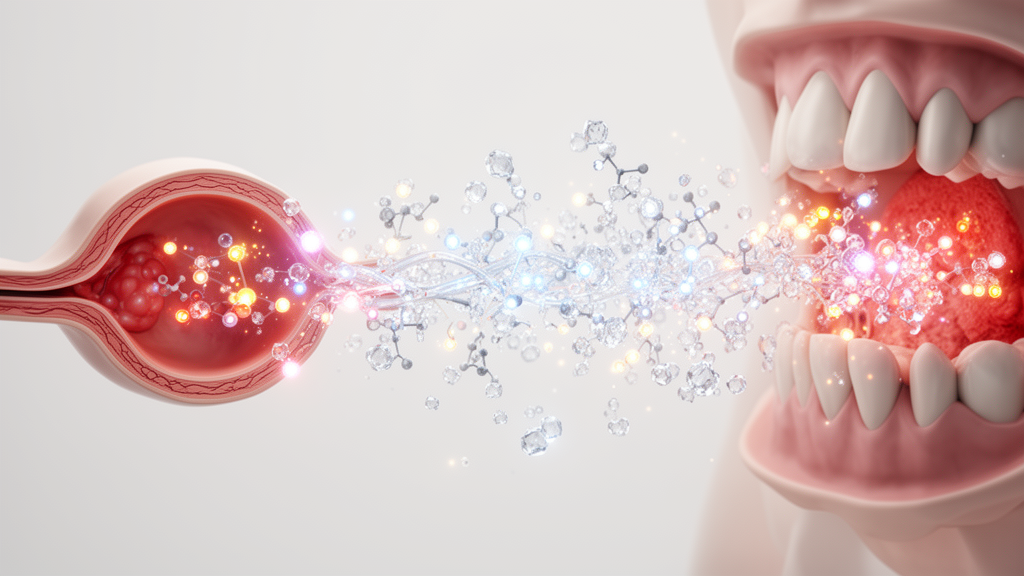
A comprehensive systematic scoping review mapping published human investigations has identified a complex pathophysiological network connecting polycystic ovary syndrome with periodontal disease across inflammatory, oxidative, hormonal-metabolic, and microbial pathways, while demonstrating that current scientific evidence remains predominantly associative rather than definitively causal. Conducted in accordance with the Preferred Reporting Items for Systematic Reviews and Meta-Analyses extension for Scoping Reviews guidelines and structured around the Joanna Briggs Institute methodological framework, the investigation synthesized findings from thirty-three original clinical studies published between 2010 and February 2026. The authors registered their protocol with the Open Science Framework prior to data collection to map the heterogeneous literature exploring the biological intersections between systemic endocrine dysfunction and localized oral tissue destruction. By evaluating clinical periodontal parameters alongside quantitative biological markers in women with confirmed polycystic ovary syndrome compared to non-affected control groups, the review established that systemic inflammatory priming, impaired antioxidant defenses, and endocrine alterations collectively lower the physiological threshold for periodontal breakdown. However, the researchers emphasized that the current literature is heavily constrained by observational designs, meaning that widely theorized bidirectional disease mechanisms remain unverified hypotheses that require confirmation through prospective randomized clinical trials.
Understanding the biological intersection between these two chronic conditions requires evaluating their respective disease burdens and shared systemic manifestations within the human population. Periodontitis is a chronic destructive inflammatory disorder that progressively degrades the supporting structures of the teeth, including the gingiva, alveolar bone, and periodontal ligament, initiating from a dysbiotic bacterial biofilm but progressing according to host genetic, environmental, and immunological vulnerabilities. Surveillance figures indicate that periodontitis affects roughly forty-two percent of dentate adults aged thirty and older in the United States, representing a major public health challenge that extends beyond the oral cavity. The chronically inflamed periodontium functions as an active anatomical reservoir, releasing bacterial pathogens and pro-inflammatory mediators into the systemic vascular circulation and contributing to overall systemic inflammatory burden. Concurrently, polycystic ovary syndrome represents one of the most common endocrine disorders among reproductive-age women globally, exhibiting an estimated prevalence between ten and thirteen percent. Clinically characterized by hyperandrogenism, ovulatory dysfunction, and polycystic ovarian morphology, the condition is recognized as an immuno-metabolic disorder commonly accompanied by insulin resistance, abdominal adiposity, dyslipidemia, endothelial dysfunction, and elevated circulating cytokines that heighten long-term cardiovascular and metabolic risks.
To rigorously evaluate the nature and extent of published research investigating these overlapping pathologies, the review authors executed an exhaustive multi-database search strategy. Developed in formal consultation with an information specialist and peer-reviewed under the Peer Review of Electronic Search Strategies principles, the search queried PubMed, Scopus, EBSCO, and Google Scholar through late February 2026 using structured Boolean combinations of controlled vocabulary and text words. The eligibility criteria adhered strictly to the Population, Concept, and Context framework, demanding original human case-control, cross-sectional, cohort, or intervention studies assessing reproductive-age women diagnosed through recognized international standards, such as the Rotterdam consensus criteria, the National Institutes of Health definitions, or the Androgen Excess and PCOS Society guidelines. Studies were required to present quantitative biomarker data across predefined biological domains alongside standardized clinical periodontal outcomes, including probing depth, clinical attachment level, bleeding on probing, gingival index scores, and plaque metrics. To eliminate confounding systemic inflammatory noise, investigators excluded studies involving participants with diabetes mellitus, cardiovascular conditions, thyroid or adrenal disorders, active autoimmune diseases, malignancies, pregnancy, or recent exposure to immunomodulatory medications, antibiotics, and non-steroidal anti-inflammatory drugs.
The study selection process yielded thirty-three eligible investigations from an initial pool of eighty-six identified records, reflecting a total of thirty-seven full-text articles critically evaluated after duplicate removal and abstract screening. An analysis of study characteristics highlighted a marked structural imbalance in research designs across the field, with thirty of the thirty-three included publications relying entirely on static observational methodologies. Specifically, seventeen investigations utilized traditional case-control frameworks, ten applied cross-sectional designs, and three incorporated case-control participant recruitment while evaluating biological outcomes at a single cross-sectional time point. In contrast, longitudinal interventional evidence was exceedingly scarce, consisting of only two prospective longitudinal cohort studies and a single randomized controlled trial. Sample cohorts ranged from 40 to 206 participants, with the vast majority of studies conducted across geographic centers in Asia and the Middle East, including eight studies from India, eight from Turkey, four from Iran, four from Iraq, three from China, two from Poland, two from Spain, and two reporting dual institutional affiliations between Turkey and the United Kingdom.
Within the mapped literature, inflammatory biomarkers represented the most frequently examined biological domain, appearing in seventeen of the thirty-three included studies. These investigations consistently documented a heightened systemic baseline of circulating pro-inflammatory mediators in women diagnosed with polycystic ovary syndrome, characterized by marked elevations in interleukin-6, tumor necrosis factor-alpha, and matrix metalloproteinase-8 compared to healthy control participants. Furthermore, patients demonstrated persistent endothelial activation, evidenced by elevated circulating levels of endocan and hyper-activated leukocyte-endothelium interactions that appear to prime vascular beds and diminish local resistance to bacterial challenges. Researchers identified intracellular priming cascades involving nuclear factor-kappa B, c-Jun N-terminal kinase, and the NLRP3 inflammasome as putative molecular pathways connecting endocrine disturbances to oral tissue breakdown. Longitudinal observations further showed salivary surges of interleukin-6 and matrix metalloproteinase-8 tracking closely with progressive probing depth and clinical attachment loss, while interleukin-17A and interleukin-17F correlated positively with both periodontal damage and clinical hirsutism scores. Notably, interventional evidence demonstrated that non-surgical mechanical therapy prompted a distinct rise in the pro-resolving mediator annexin A1 among affected women, illustrating complex tissue-level immunological responses.
The second most prominent mechanistic area centered on oxidative stress, which was quantitatively evaluated in ten studies across systemic and oral biological fluids. Included research consistently documented a state of chronic oxidative imbalance in patients with polycystic ovary syndrome, irrespective of their baseline periodontal status. Affected cohorts exhibited elevated systemic and gingival concentrations of pro-oxidant markers, including malondialdehyde, 8-hydroxy-2-deoxyguanosine, advanced oxidation protein products, and advanced glycation end products, paired with a significant deterioration of endogenous antioxidant defenses. Laboratory findings highlighted reductions in circulating total antioxidant status, depleted glutathione reserves, and marked downregulation of the protective nuclear factor erythroid 2-related factor 2 signaling pathway and its downstream enzymes glutamate-cysteine ligase and glutathione reductase. When polycystic ovary syndrome and periodontitis were simultaneously present, comorbid cohorts exhibited pronounced synergistic oxidative elevations, displaying peak concentrations of homocysteine, nitric oxide, and advanced glycation end products, alongside strong correlations between salivary myeloperoxidase activity, probing depth, and bleeding on probing. However, investigators noted that systemic and local oxidative levels frequently diverged, with elevated nitric oxide appearing in gingival crevicular fluid despite normal serum values.
Hormonal and metabolic interactions formed the focus of fifteen studies, illustrating how endocrine derangements and metabolic disturbances parallel worsening periodontal disease severity. Clinical data revealed that elevated circulating androgen concentrations, including total and free testosterone, together with altered gonadotropin dynamics such as elevated luteinizing hormone and distorted luteinizing-to-follicle-stimulating hormone ratios, correlated positively with clinical attachment loss, deepened periodontal pockets, and elevated matrix metalloproteinase-8 activity. Concurrently, metabolic markers of insulin resistance, calculated through homeostatic model assessment, and dyslipidemic parameters, including elevated low-density lipoprotein cholesterol and serum triglycerides, directly mirrored the intensity of subgingival tissue inflammation. Nevertheless, investigators cautioned against assuming simplistic linear mechanisms; adolescent studies revealed unexpected negative correlations between salivary testosterone concentrations and gingival inflammatory markers, suggesting the existence of age-dependent or biphasic hormonal signaling windows. Moreover, the review uncovered profound blind spots within the published literature, noting an absolute absence of clinical data examining anti-Mullerian hormone, the primary diagnostic indicator of ovarian follicular arrest, or adiponectin, leaving the direct biological influence of reproductive severity and adipokine modulation on downstream alveolar bone resorption markers entirely undefined.
The oral microbial dimension proved to be the most underexplored territory within the mapped landscape, evaluated in only three of the thirty-three included publications and leaving the microbiological role in the disease axis highly preliminary. Available findings indicated elevated subgingival colonization and heightened systemic antibody titers against recognized periodontal pathogens, particularly Porphyromonas gingivalis, Tannerella forsythia, and Fusobacterium nucleatum, in patients with polycystic ovary syndrome. Biologically, sex steroid alterations may directly influence bacterial microenvironments, as progesterone and estrogen can biochemically substitute for vitamin K as essential nutritional growth factors for black-pigmented anaerobic species such as Prevotella intermedia. Furthermore, subgingival abundance of Capnocytophaga gingivalis correlated positively with circulating estradiol, whereas Aggregatibacter actinomycetemcomitans and orange-complex bacteria correlated negatively with high-density lipoprotein cholesterol. However, adolescent cohorts failed to display heightened microbial pathogenicity relative to controls, indicating that oral dysbiosis may reflect secondary microbial shifts occurring only after prolonged adult exposure to chronic systemic inflammation, rather than an immediate primary driver of the syndrome.
Critical methodological evaluation conducted using the Critical Appraisal Skills Programme quality assessment checklists demonstrated that while the included literature exhibited generally robust internal validity, significant methodological heterogeneity complicates cross-study comparisons. Although ninety-seven percent of included studies applied the 2003 Rotterdam diagnostic consensus, widespread omissions in reporting specific polycystic ovary syndrome phenotypes prevented researchers from discerning whether periodontal deterioration stemmed primarily from androgen excess, metabolic dysfunction, or their combined presentation. Similarly, periodontal classifications diverged substantially across the literature: nine studies adhered to the 2017 World Workshop staging system, seven applied Centers for Disease Control and Prevention and American Academy of Periodontology definitions, six utilized historical 1999 consensus standards, and eleven relied entirely on unstandardized, author-defined clinical thresholds. This lack of uniformity prevented the determination of precise clinical cut-offs for when oral breakdown exacerbates systemic inflammation. In addition, disparate biological sampling across saliva, serum, and gingival crevicular fluid introduced substantial biological noise, while inconsistent statistical adjustment for body mass index and insulin resistance compromised causal attribution.
Addressing these fundamental evidence gaps represents the primary imperative for future translational research and emerging interdisciplinary clinical practice. Preliminary interventional data demonstrate tangible therapeutic promise; randomized clinical evidence shows that integrating non-surgical periodontal scaling with medical myo-inositol supplementation produces significantly greater systemic reductions in high-sensitivity C-reactive protein than medical therapy alone, while women receiving standard pharmacological treatments such as insulin sensitizers and oral contraceptives display stabilized periodontal tissues. To advance beyond repetitive associative mapping, future investigations must establish a standardized Core Outcome Set incorporating the 2017 World Workshop periodontal classification, rigorous phenotypic stratification, paired local and systemic biofluid sampling, and advanced multi-omic deep phenotyping including Raman spectroscopy. Ultimately, well-designed prospective randomized controlled trials are required to determine whether targeted periodontal interventions directly improve meaningful systemic endpoints, such as ovulation restoration, conception rates, and long-term cardiometabolic profiles, thereby providing the definitive empirical evidence needed to integrate routine periodontal screening into standard interdisciplinary care for women with polycystic ovary syndrome.
Subject of Research: Systematic scoping review mapping biological mechanisms connecting polycystic ovary syndrome and periodontal disease
Article Title: Mechanistic insights into polycystic ovary syndrome and periodontal disease: a systematic scoping review of inflammatory, oxidative stress, hormonal–metabolic, and microbial pathways
Article References: Nassar, M., Zatar, Y., Sharikadze, N., Aladashvili, T., & Kokhreidze, E. (2026). Mechanistic insights into polycystic ovary syndrome and periodontal disease: a systematic scoping review of inflammatory, oxidative stress, hormonal–metabolic, and microbial pathways. The Saudi Dental Journal, 38(11), Article 141. https://doi.org/10.1007/s44445-026-00254-9
Image Credits: AI Generated
DOI: 10.1007/s44445-026-00254-9
Keywords: Polycystic Ovary Syndrome, Periodontitis, Systematic Scoping Review, PRISMA-ScR, Systemic Inflammation, Oxidative Stress, Endocan, Tumor Necrosis Factor-alpha, Interleukin-6, Matrix Metalloproteinase-8, NRF2 Pathway, Insulin Resistance, Oral Microbiome, Porphyromonas gingivalis, Bleeding on Probing, Clinical Attachment Level, Probing Depth, Core Outcome Set
News Source: Ophelia Keating. (November 24, 2026). Scoping Review Maps Shared Inflammatory and Metabolic Pathways in PCOS and Periodontitis. Scienmag.