Deficiency in the multivitamin transporter gene SLC5A6 causes developmental delay through mitochondrial dysfunction that induces neuronal apoptosis, according to new experimental research findings. The sodium-dependent multivitamin transporter, known as SMVT and encoded by SLC5A6, functions as a critical cellular transporter necessary for the uptake of biotin, pantothenic acid, and lipoic acid across metabolic pathways.
Bi-allelic variants in the SLC5A6 gene are known to cause a spectrum of neurological and systemic clinical features exhibiting variable severity; however, the precise underlying pathogenic mechanisms remain unclear. To resolve these disease mechanisms, the study investigated patient genetics alongside corresponding in vivo animal models and in vitro cellular knockout experimental systems.
The research team identified a novel compound heterozygous SLC5A6 genotype consisting of c.1585T>C, p.(Trp529Arg) and c.1310C>T, p.(Pro437Leu) in a patient from mainland China. The affected individual presented clinically with developmental delay, immune deficiency, and neuromuscular disturbances, demonstrating the systemic and neurological consequences associated with bi-allelic disruption of the multivitamin transporter gene.
Clinical examination also revealed previously unreported symptoms in the patient, including uroschesis, hydronephrosis, and oliguria. Documenting these specific urinary conditions alongside the identified variants expands both the established mutation spectrum and the known clinical phenotypic spectrum of SLC5A6 disorders, providing a more comprehensive characterization of how human multivitamin transporter dysfunction manifests clinically.
Given that both genetic variants were predicted to cause loss of function, the investigators constructed an Slc5a6 knockout mouse model and an SLC5A6 knockout SH-SY5Y cell line to examine the pathogenic consequences of multivitamin transporter deficiency. Targeted SLC5A6 deletion directly caused marked biotin deficiency across both the experimental animal model and the cultured cell line.
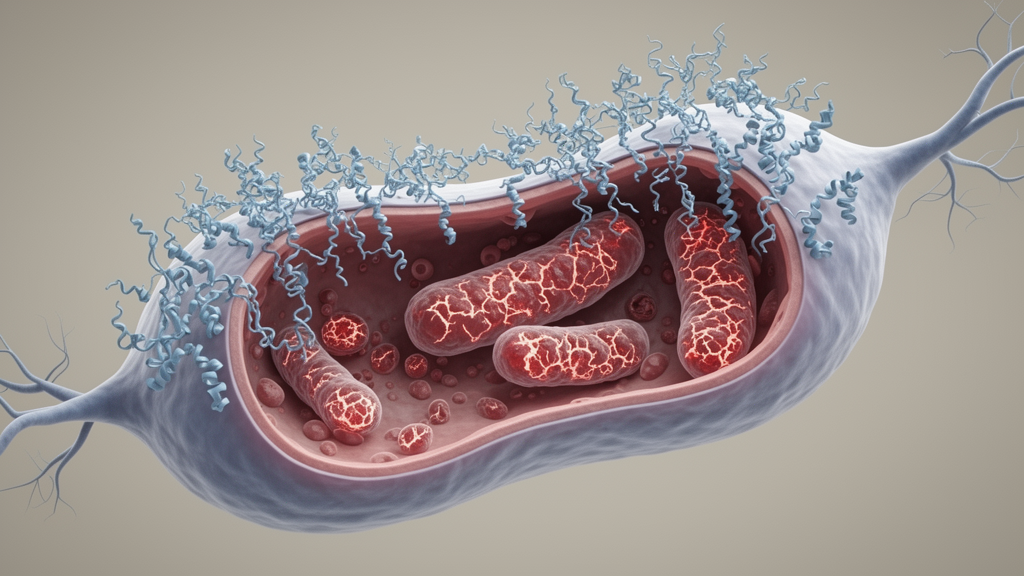
In a series of behavioral experiments, the Slc5a6 knockout mice exhibited significant cognitive and motor behavioral impairments. These behavioral deficits were accompanied by histological evidence of neurological damage, as well as distinct mitochondrial morphological and functional abnormalities identified in both neural tissues and skeletal muscle tissues derived from the knockout animals.
In addition, transcriptomic analysis of whole-brain tissues from the knockout mice demonstrated that differentially expressed genes were enriched primarily in biological processes related to fatty acid oxidation, reactive oxygen species, and apoptosis. Further functional experiments indicated that SLC5A6 deficiency directly increases fatty acid oxidation levels, triggers reactive oxygen species production, and promotes neuronal apoptosis driven by mitochondrial dysfunction. Together, the study sheds fresh light on the underlying pathophysiology of SLC5A6-related disorders.
Subject of Research: Pathogenic mechanisms of SLC5A6 deficiency in developmental delay and neuronal apoptosis
Article Title: SLC5A6 deficiency causes developmental delay via mitochondrial dysfunction induced neuronal apoptosis
Article References: Hu, T., Li, Y., Dai, W., Li, N., Luo, X., Shi, L., Chen, G., Yu, Y., & Zhan, Y. (2026). SLC5A6 deficiency causes developmental delay via mitochondrial dysfunction induced neuronal apoptosis. Cell Death Discovery. https://doi.org/10.1038/s41420-026-03460-w
Image Credits: AI Generated
DOI: 10.1038/s41420-026-03460-w
Keywords: SLC5A6, SMVT, sodium-dependent multivitamin transporter, developmental delay, mitochondrial dysfunction, neuronal apoptosis, biotin deficiency, pantothenic acid, lipoic acid, fatty acid oxidation, reactive oxygen species, SH-SY5Y cells, neuromuscular disturbances, uroschesis, hydronephrosis, oliguria, whole-brain transcriptomics
News Source: Drew Townsend. (November 23, 2026). SLC5A6 Deficiency Causes Developmental Delay via Mitochondrial Dysfunction and Neuronal Apoptosis. Scienmag.