Credit: UTS Business School
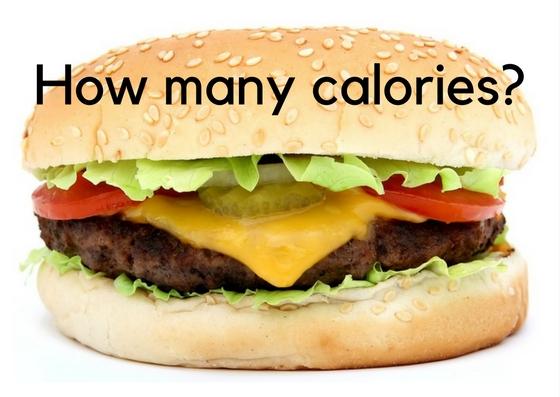
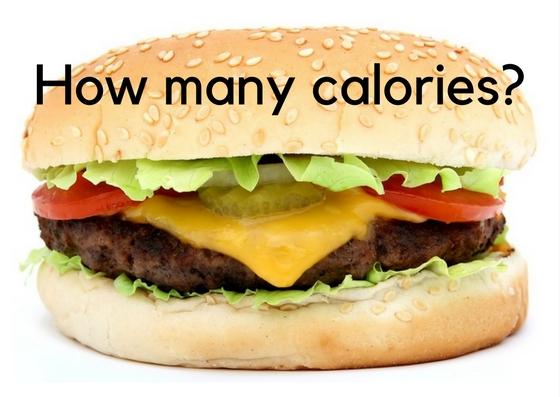
One the most comprehensive pieces of research into the impact of displaying calories on menus reveals it not only influences consumers to make lower calorie choices but also encourages retailers to provide lower calorie options.
The research confirms the move that has been made in Australia towards, and supports a push in the United States, for greater disclosure of calorie or kilojoule information on menus at fast-food outlets and restaurant chains.
The researchers, Dr Natalina Zlatevska from University of Technology Sydney, Dr Nico Neumann from Melbourne Business School, and Professor Chris Dubelaar from Deakin University, collated 186 studies on the effect on consumers of displaying calories on menus, as well as 41 studies on the effect on retailers.
The results of the meta-analysis, to be published in the international Journal of Retailing, show that displaying calorie information encouraged a reduction of 27 calories (112 kilojoules) per meal for consumers and 15 calories (62 kilojoules) per menu item by food retailers.
Lead researcher Natalina Zlatevska, from the Marketing Discipline Group at UTS Business School, says while the calorie reduction isn't much if you only eat out once a year, for those who eat out regularly it can make a real difference.
The impact was also greater for women, with a 60 calorie (251 kilojoule) reduction per meal, and for those who are overweight, with a reduction of 83 calories (347 kilojoules) per meal.
"With more and more food dollars spent on meals purchased outside the home, anything we can do to educate consumers, and make them a bit more aware of their choices is a good start," Zlatevska says.
Obesity increases the risk of many chronic and lethal diseases including type 2 diabetes and heart disease, and is a leading cause of premature death in the US, UK and Australia.
Zlatevska says the finding that retailers adjust the choices they offer when required to display calorie information is significant.
"In the same way that corporate or financial disclosure changes behaviour, here we see the disclosure effect changing the food environment," she says.
"We know that retailers are adjusting so there is the possibility of a combined effect. That is where I think bigger change will probably happen. All these incremental changes add up, it is cumulative."
In the US providing calorie information on menus has proved controversial, with constant delays and "push back" from food industry groups fearing the cost of implementing the laws.
First mandated in the 2010 Affordable Care Act, labelling laws are due to be implemented in the US in May 2018, but already there are suggestions they will again be postponed or watered-down.
In Australia, displaying kilojoule information on menus is mandatory in NSW, SA, ACT and Queensland for food outlets and restaurant chains with more than 20 stores in a state or 50 nationwide, with Victoria to follow suit next year.
###
Media Contact
Leilah Schubert
[email protected]
http://www.uts.edu.au
Original Source
http://newsroom.uts.edu.au/news/2017/11/calorie-counts-menus-make-difference