• HOME
  • NEWS
  • EXPLORE
    • CAREER
      • Companies
      • Jobs
    • EVENTS
    • iGEM
      • News
      • Team
    • PHOTOS
    • VIDEO
    • WIKI
  • BLOG
  • COMMUNITY
    • FACEBOOK
    • INSTAGRAM
    • TWITTER
Sunday, June 28, 2026
BIOENGINEER.ORG
No Result
View All Result
  • Login
  • HOME
  • NEWS
  • EXPLORE
    • CAREER
      • Companies
      • Jobs
        • Lecturer
        • PhD Studentship
        • Postdoc
        • Research Assistant
    • EVENTS
    • iGEM
      • News
      • Team
    • PHOTOS
    • VIDEO
    • WIKI
  • BLOG
  • COMMUNITY
    • FACEBOOK
    • INSTAGRAM
    • TWITTER
  • HOME
  • NEWS
  • EXPLORE
    • CAREER
      • Companies
      • Jobs
        • Lecturer
        • PhD Studentship
        • Postdoc
        • Research Assistant
    • EVENTS
    • iGEM
      • News
      • Team
    • PHOTOS
    • VIDEO
    • WIKI
  • BLOG
  • COMMUNITY
    • FACEBOOK
    • INSTAGRAM
    • TWITTER
No Result
View All Result
Bioengineer.org
No Result
View All Result
Home Headlines

Gene identified that may provide potential therapy for cerebral cavernous malformations

Bioengineer.org by Bioengineer.org
January 27, 2018
in Headlines, Health, Science News
Reading Time: 2 mins read
0
Share on FacebookShare on TwitterShare on LinkedinShare on RedditShare on Telegram
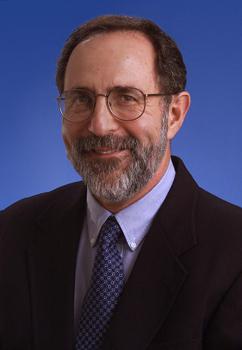
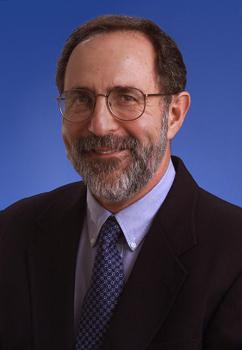
IMAGE

Credit: UC San Diego Health

Researchers at University of California San Diego School of Medicine, with national collaborators, have identified a series of molecular clues to understanding the formation of cerebral cavernous malformations (CCMs). The study offers the first genome-wide analysis of the transcriptome of brain microvascular endothelial cells after KRIT1 inactivation. Findings were published September 28 in the Journal of Experimental Medicine.

"These mouse studies reveal a critical mechanism in the pathogenesis of cerebral cavernous malformations and point to the possibility of using angiogenesis inhibitors, such as TSP1 for potential therapy," said Mark H. Ginsberg, MD, professor of medicine, UC San Diego School of Medicine.

CCMs are collections of enlarged and irregular blood vessels in the central nervous system (CNS), for which there is no drug therapy. The vessels are prone to leakage causing headaches, seizures, paralysis, hearing or vision loss, or bleeding in the brain. There are two forms of the condition: familial and sporadic, affecting 1 in 200 patients in the U.S. The current treatment for CCMs involves invasive surgery, however, surgery is not possible for all patients due to location of vascular lesions within the CNS.

The most common cause of familial cavernous malformations is mutations of KRIT1. The protein produced from this gene is found in the junctions connecting neighboring blood vessel cells. Loss of function mutations in KRIT1 result in weakened contacts between blood vessel cells and CNS vascular abnormalities as seen in CCMs.

"Inactivation of KRIT1 in endothelial cells causes a cascade of changes in the expression of genes that regulate cardiovascular development," said Ginsberg. "What we learned is that reduced expression of a protein encoded by one of these genes, TSP1, contributes to the growth of CCMs. Loss of one or two copies of THBS1, the gene that encodes TSP1, makes a mouse model of the disease much worse. Conversely, administration of 3TSR, a fragment of TSP1, reduces lesions in this mouse model. This means that replacement of TSP1 by 3TSR or other angiogenesis inhibitors may be a preventative for CCMs or treatment of the disease."

"Moreover, anti-angiogenic based therapy can function as a natural means to treat CCMs in the sense that it would replace the function of a protein that is lost as a consequence of the pathogenesis of CCM disease," said first author Miguel Alejandro Lopez-Ramirez, PhD, senior research associate, UC San Diego School of Medicine. "We thus suggest that TSP1 functional replacement could provide a more 'biological' therapy for CCMs."

###

Co-authors include: Gregory Fonseca, Angela Pham, Bart-Jan de Kreuk, Frederic Lagarrigue, and Christopher K. Glass of UC San Diego; Hussein A. Zeineddine, Romuald Girard, Thomas Moore, Ying Cao, Robert Shenkar, and Issam A. Awad of University of Chicago Medicine; and Jack Lawler of Harvard Medical School.

Media Contact

Jackie Carr
[email protected]
858-249-0456
@UCSanDiego

http://www.ucsd.edu
Share12Tweet8Share2ShareShareShare2

Related Posts

Tracking Lanthanide-Labeled Microplastics in Plants

June 25, 2026

POSTECH Researchers Slash Cost of Reconstituted Cell-Free Systems by 95%

June 25, 2026

AI and Physics Collaborate to Design Advanced Hydrogen Storage Materials

June 25, 2026

Natural Hallucinogens: Evolution’s Ecological Tools, Not Mere Chemical Byproducts

June 25, 2026
Please login to join discussion

POPULAR NEWS

  • Saying Goodbye to PGY-6: Pediatric Fellowship Realities

    103 shares
    Share 41 Tweet 26
  • Multi-Hospital Study Reveals Long Covid Burden Is Twice as High as Current Estimates

    92 shares
    Share 36 Tweet 23
  • Detection of EDCs in Breast Milk and Infant Urine Up to Six Months Highlights Early Exposure Risks

    77 shares
    Share 31 Tweet 19
  • New Drug Candidate Developed at McMaster Shows Potential for Treating Brain Cancer

    58 shares
    Share 23 Tweet 15

About

We bring you the latest biotechnology news from best research centers and universities around the world. Check our website.

Follow us

Recent News

Tracking Lanthanide-Labeled Microplastics in Plants

POSTECH Researchers Slash Cost of Reconstituted Cell-Free Systems by 95%

AI and Physics Collaborate to Design Advanced Hydrogen Storage Materials

Subscribe to Blog via Email

Success! An email was just sent to confirm your subscription. Please find the email now and click 'Confirm' to start subscribing.

Join 82 other subscribers
  • Contact Us

Bioengineer.org © Copyright 2023 All Rights Reserved.

Welcome Back!

Login to your account below

Forgotten Password?

Retrieve your password

Please enter your username or email address to reset your password.

Log In
No Result
View All Result
  • Homepages
    • Home Page 1
    • Home Page 2
  • News
  • National
  • Business
  • Health
  • Lifestyle
  • Science

Bioengineer.org © Copyright 2023 All Rights Reserved.