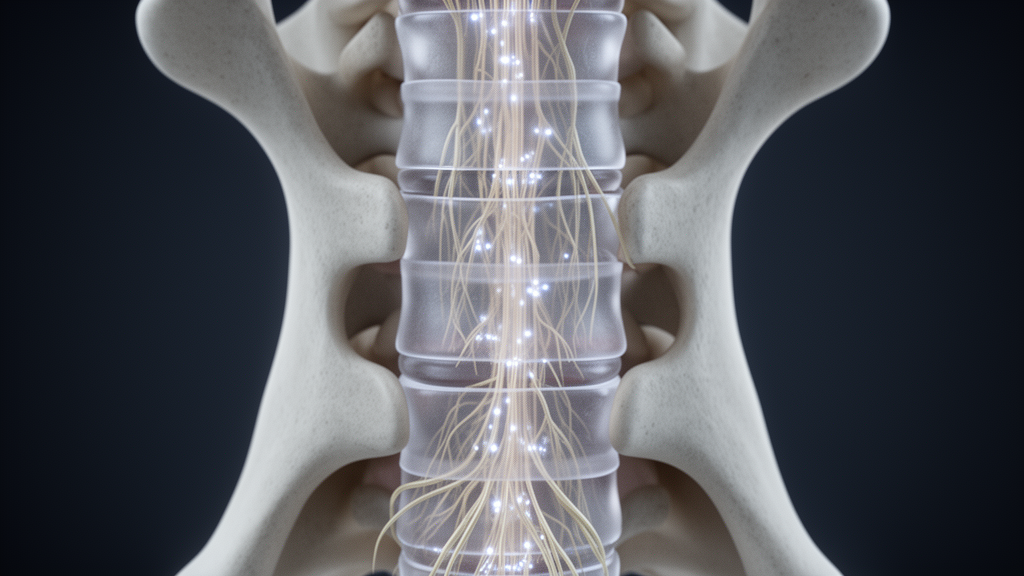
In a hypothesis and theory article published in Frontiers in Neurology, researchers from the Bokwang Hospital Spine Center in Daegu, Republic of Korea, have proposed an early intervention framework called the Neuromuscular Preparation and Neural Preservation Hypothesis. The proposal addresses a major therapeutic dilemma following spinal cord injury, where neurological recovery is inherently uncertain and can evolve over a period of months. During this extended window of recovery, the biological system needed to execute motor control faces continuous risk of degradation.
Under conventional management, clinicians often wait for voluntary movement to return before initiating meaningful neuromuscular activity. However, the authors argue that this passive waiting period may allow the essential biological system required for expressing recovered motor control to deteriorate, potentially preventing patients from regaining voluntary function even if descending neural signals eventually recover.
To counteract this biological decline, the Neuromuscular Preparation and Neural Preservation Hypothesis asserts that early electrical stimulation should actively prepare the neuromuscular system before the true extent of neurological recovery becomes apparent.
The hypothesis outlines distinct biological actions across muscular and neural targets. On the muscular level, electrically evoked contractions are proposed to preserve the structural and contractile capacity of paralysed muscles, preventing disuse atrophy and contractility loss. Concurrently, stimulation-generated afferent activity is hypothesized to maintain useful physiological responsiveness within surviving spinal sensorimotor circuits, keeping the underlying circuitry receptive to descending neural inputs.
Beyond immediate responsiveness, the authors highlight that existing experimental evidence points to activity-dependent circuit reorganisation and cellular responses as potential biological contributors to the proposed neural preservation effects. By sustaining afferent traffic through surviving spinal networks, electrical stimulation may harness these activity-dependent processes to support spinal circuit integrity while descending motor pathways are still in the process of recovering.
The primary novelty of this conceptual framework lies in integrating muscular preparation and neural preservation into a unified temporal and functional structure. Within this unified model, neurological recovery provides the descending command, surviving neural circuitry provides the anatomical and physiological route, and prepared muscle serves as the functional effector. Preserving both complementary capacities early is predicted to enable subsequently recovered motor commands to manifest as greater stimulation-independent voluntary function.
Despite the theoretical promise, the authors explicitly acknowledge critical scientific boundaries and unproven elements within their hypothesis. While previous human studies have supported the direct muscular benefits of electrical stimulation and demonstrated activity-dependent neural plasticity after spinal cord injury, direct neural preservation and long-term voluntary functional advantages resulting from early stimulation have not yet been demonstrated in clinical populations.
To rigorously test the hypothesis, the authors state that prospective clinical investigations comparing early intervention directly against delayed intervention are essential. These future trials must incorporate complementary muscular assessments, neurophysiological measurements, and evaluations of voluntary functional recovery to determine whether early electrical stimulation genuinely preserves the neuromuscular substrate and improves long-term outcomes for individuals with spinal cord injuries.
Subject of Research: Early electrical stimulation hypothesis for neuromuscular preparation and neural preservation after spinal cord injury
Article Title: Early electrical stimulation after spinal cord injury: the Neuromuscular Preparation and Neural Preservation Hypothesis
Article References: Ihm, J.-H., Ko, S.-K., Woo, B.-G., Song, G.-C., Yeo, C.-G., Park, J.-S., & Seong, I.-S. (2026). Early electrical stimulation after spinal cord injury: the Neuromuscular Preparation and Neural Preservation Hypothesis. Frontiers in Neurology, 17, Article 2011288. https://doi.org/10.3389/fneur.2026.2011288
Image Credits: AI Generated
DOI: 10.3389/fneur.2026.2011288
Keywords: spinal cord injury, early electrical stimulation, neuromuscular preparation, neural preservation, neuroplasticity, afferent activity, motor control recovery, sensorimotor circuits, muscle contractility, circuit reorganisation, cellular responses, paralysis deterioration, voluntary motor function, neurorehabilitation, neurophysiology, descending motor pathways, early intervention
News Source: Cassandra Pierce. (November 20, 2026). Early Electrical Stimulation Hypothesis Proposes Preserving Function After Spinal Cord Injury. Scienmag.