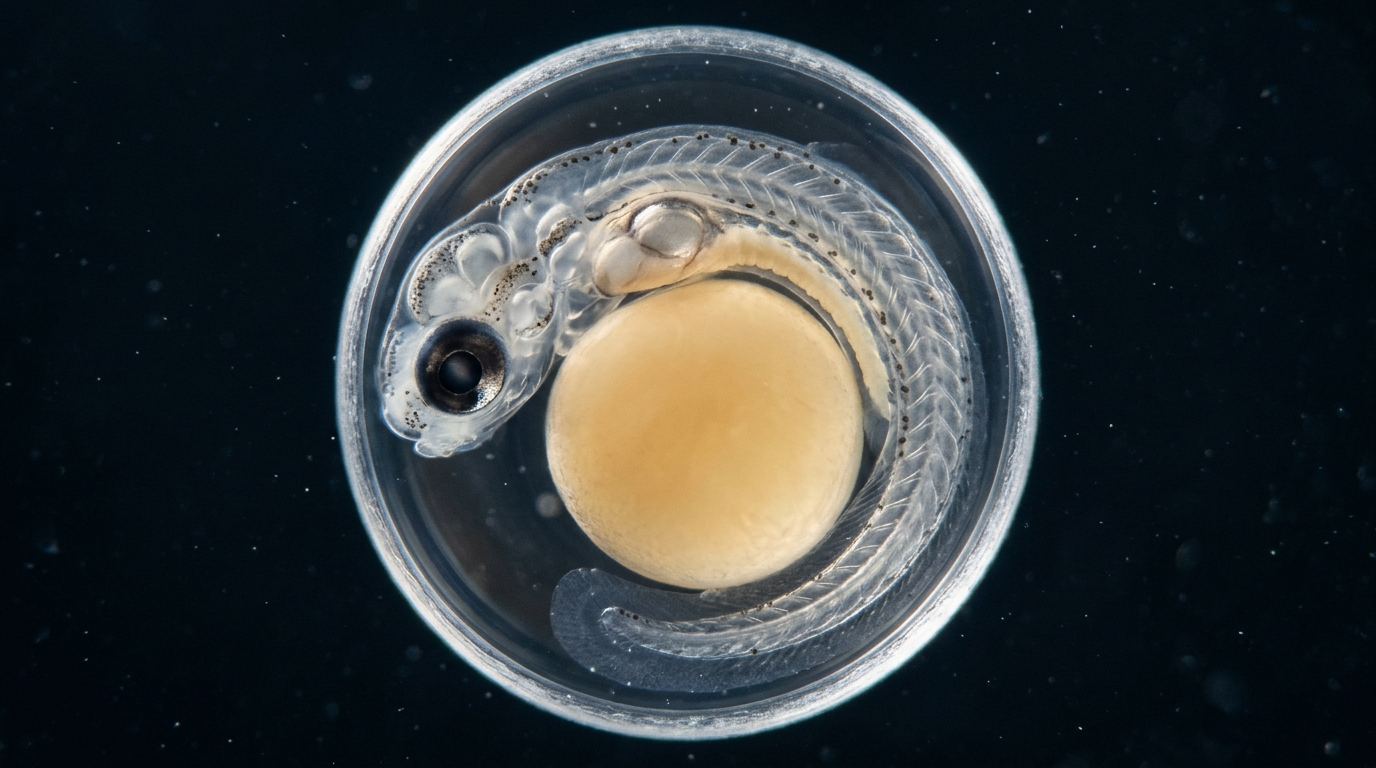
A comprehensive investigation into functionalized fabrics has revealed that atmospheric-pressure plasma pretreatment significantly enhances the retention of silver nanoparticles on cotton fibers while the released nanomaterials display no detectable developmental or morphological toxicity in zebrafish embryos. The study, conducted by an interdisciplinary team evaluating both material performance and aquatic safety, examined how nanoscale silver can be stably integrated into everyday textiles without producing acute ecotoxicological hazards. Although metallic silver is widely valued across industrial sectors for its potent biocidal activity against bacteria, fungi, viruses, and protozoa, modern commercial deployment requires rigorous validation. By systematically tracking nanoparticle morphology, fabric adhesion, laundering durability, and in vivo toxicological indicators, the researchers established quantitative baseline data for antimicrobial finishing processes. Their findings confirm that while repetitive mechanical washing inevitably causes a measurable detachment of metallic silver, the remaining surface loading remains substantial and the resulting aqueous exposure levels do not induce mortality, morphological deformity, or cardiotoxic impairment in early life stages of model aquatic organisms.
Antimicrobial textiles have become vital protective components in modern public health infrastructure, particularly in high-risk healthcare settings where personal protective equipment must actively suppress pathogen transmission. Cotton and polyamide 66 fibers represent the primary textile substrates used in medical garments, gowns, lab coats, and protective face coverings such as surgical and N95 masks. When silver nanoparticles detach from treated garments, they enter municipal wastewater streams and ultimately discharge into surrounding aquatic habitats, raising concerns about potential biological accumulation and toxicity. Metallic silver nanoparticles offer distinct advantages over conventional antibiotics, including thermal stability, multi-target biochemical mechanisms, and minimal potential for microbial resistance. However, their physical release into rivers and estuaries demands careful life-cycle assessment. Addressing these dual challenges requires developing engineered finishing methodologies that maximize fiber adhesion while simultaneously verifying that wash effluents do not harm vulnerable aquatic ecosystems.
To establish a reliable baseline for comparison, the investigators produced laboratory-synthesized silver nanoparticles alongside commercially available colloidal suspensions. Synthesis was conducted through a controlled chemical reduction process utilizing sodium borohydride and trisodium citrate as reducing and stabilizing agents, which were mixed and stirred at 60 degrees Celsius in total darkness to maintain mixture homogeneity. The subsequent slow addition of silver nitrate precursor induced a visible transition from a clear solution to an intense yellow colloid, confirming successful metal ion reduction via localized surface plasmon resonance. The reaction temperature was elevated to 90 degrees Celsius for twenty minutes to achieve complete nanoparticle stabilization, followed by high-speed centrifugation at 12,000 times gravity and controlled refrigeration. The resulting yellow colloidal suspensions exhibited an optical absorbance peak at 400 nanometers within the characteristic 320 to 450 nanometer surface plasmon band, verifying the reproducible generation of monodisperse spherical nanoparticles tailored for textile impregnation experiments.
Rigorous physicochemical characterization confirmed the structural integrity, hydrodynamic behavior, and crystalline elemental purity of the synthesized silver nanoparticles prior to fabric application. Dynamic light scattering measurements conducted in distilled water demonstrated an average hydrodynamic diameter of 31.68 nanometers and a polydispersity index of 0.46, confirming that the synthesized particles formed a monodisperse suspension well within the standard threshold for colloidal stability. High-resolution transmission electron microscopy further corroborated these dimensional findings, revealing that 72 percent of the nanoparticles exhibited a spherical or nearly spherical morphology with circularity coefficients between 0.93 and 1.0, accompanied by a bimodal diameter distribution centered near 30 nanometers. Energy-dispersive X-ray spectroscopy combined with scanning electron microscopy verified elemental silver alongside baseline traces of carbon, oxygen, and sodium, displaying the characteristic silver absorption peak at 3 kiloelectron volts. Complementary X-ray diffraction analysis spanning 20 to 90 degrees two-theta corroborated this distinct crystalline metal profile, establishing that the engineered nanoparticles possessed optimal structural characteristics for textile functionalization.
Quantitative assessment via single-particle inductively coupled plasma mass spectrometry and optical emission spectrometry revealed critical differences between synthesized formulations and commercial reference suspensions. While the commercial product was marketed as containing 50-nanometer particles, single-particle analysis revealed that only 45 percent of its particles fell within the 41 to 60 nanometer size bracket, and its total silver mass concentration reached only 80 percent of the manufacturer’s declared value. In contrast, 71 percent of the laboratory-synthesized nanoparticles occupied a tight size range between 21 and 40 nanometers, ensuring superior dimensional homogeneity. Optical emission spectrometry established baseline detection limits below 10 micrograms per liter, providing the sensitivity required to track minute silver concentrations throughout subsequent processing stages. Transport efficiency measurements using 50-nanometer gold nanoparticle standards confirmed precise instrument calibration. These quantitative metrics proved essential for determining the actual particle loading delivered to the fibers, highlighting the necessity of verifying commercial nanomaterial specifications before applying them to industrial textile manufacturing pipelines.
The impregnation procedure evaluated the uptake and initial binding behavior of silver nanoparticles across two major textile substrates: natural 100 percent cotton and synthetic petroleum-derived polyamide 66. Utilizing an industrial horizontal foulard immersion bath operating at a barometric pressure of 3 bar, fabrics were treated through a pad-dry-cure method followed by thermal fixation in an oven at 130 degrees Celsius for two minutes. Theoretical pick-up measurements indicated no statistically significant difference in initial absorption capacity between cotton and polyamide fibers, an outcome attributed to the high intrinsic hydrophilicity shared by both materials. Relative standard deviation values demonstrated uniform nanoparticle distribution across the fabric quadrants, confirming that the mechanical padding apparatus delivered homogeneous surface coverage. However, practical application constraints prevented the subsequent atmospheric plasma treatment from being applied to the polyamide substrate. Consequently, extended functional durability trials focused exclusively on cotton, which represents the most heavily consumed textile substrate in the healthcare, domestic, and hygiene industries.
To overcome conventional adhesion limitations, cotton textiles were subjected to surface modification using an atmospheric-pressure plasma jet prior to nanoparticle impregnation. Affixed to an aluminum stage beneath an automated movement system, the fabrics were exposed to three successive passes of atmospheric air plasma operated at 300 volts, 0.3 amperes, and an electric power output of 480 watts. The jet nozzle maintained a precise working distance of 70 millimeters above the sample while traversing at a displacement speed of 15 meters per minute. Quantitative single-particle mass spectrometry confirmed that pretreated cotton achieved a statistically significant increase in nanoparticle uptake compared to untreated counterparts. Nanoparticle dimensions remained unaffected by fiber deposition, confirming that the plasma treatment enhanced fiber surface affinity and particle binding density without altering the physical structure of the silver nanomaterials.
Laundering resistance was evaluated through standardized accelerated solidity testing conforming to ISO standards, wherein impregnated textile samples were subjected to continuous agitation in a 4-gram-per-liter soap solution with 50 stainless steel spheres at 50 degrees Celsius. Each experimental washing cycle simulated the mechanical and chemical abrasion equivalent to five domestic household washes, followed by clean water rinsing and oven drying at 120 degrees Celsius. Analytical tracking showed that all fabrics experienced their most substantial loss of total silver during the initial wash cycle, reflecting the detachment of loosely adhered surface particles under mechanical friction. Nevertheless, cotton fibers that had undergone atmospheric plasma pretreatment demonstrated superior fastness and retained higher silver concentrations compared to untreated textiles across successive washing rounds. Even after repetitive laundering, residual silver remained securely bonded to the fiber matrix, proving that plasma-induced surface activation significantly bolsters nanoparticle longevity against domestic washing stress.
To establish the ecological safety profile of the nanomaterials released during laundering, toxicological evaluations were performed on zebrafish embryos following the OECD Test Guideline 236 protocol. Fertilized embryos from pathogen-free adult wild-type Danio rerio were exposed continuously for 96 hours post-fertilization to serial dilutions of commercial and synthesized silver nanoparticles without water renewal. Sublethal developmental markers and survival were documented at 24-hour intervals using stereomicroscopic photographic and video recording systems. Larvae were evaluated against a semi-quantitative general morphology score ranging from zero to four, where zero indicates normal development and higher scores denote progressive developmental arrest or structural abnormalities. Across all tested concentrations, ranging up to 1.8 times ten to the seventh particles per milliliter, the exposed embryos displayed high survival rates and predominantly zero-point scores identical to negative controls, indicating that the suspended silver nanoparticles produced no lethal malformations or significant developmental delays.
Detailed physiological assessments further confirmed that nanoscale silver exposure did not compromise cardiovascular function or somatic growth in developing larvae. High-magnification image analysis demonstrated that body length and eye diameter in 96-hour-post-fertilization larvae remained statistically indistinguishable between exposed groups and unexposed negative controls. Furthermore, manual counting of larval cardiac contractions recorded over 60-second intervals confirmed that heart rates were unaffected by nanoparticle exposure, in contrast to earlier literature reporting bradycardia caused by free silver ions or smaller metallic particles. While highlighting that improved chemical fixation remains essential to minimize silver release into municipal waterways, the research concludes that atmospheric-pressure plasma provides an effective, scalable pathway to enhance the durability of antimicrobial textiles without introducing acute toxicological hazards into aquatic environments.
Subject of Research: Toxicological and quantitative analysis of silver nanoparticle impregnation and wash durability on plasma-treated textiles and embryo safety
Article Title: Unravelling the effects of silver nanoparticles on textiles: a comprehensive toxicological and quantitative analysis
Article References: dos Santos, L. M. G., Medeiros, R. J., Maciel-Magalhães, M., Guedes, N. C. C., Brito, T. M., de Souza, G. F., Oliveira, M. L., Pereira, R. A., Neto, S. A. V., Jacob, S. C., Sant’Anna, C., & Moreira, J. C. (2025). Unravelling the effects of silver nanoparticles on textiles: a comprehensive toxicological and quantitative analysis. Health Nanotechnology, 1(1), Article 6. https://doi.org/10.1186/s44301-025-00006-4
Image Credits: AI Generated
DOI: 10.1186/s44301-025-00006-4
Keywords: Silver nanoparticles, Antimicrobial textiles, Atmospheric plasma pretreatment, Cotton fabrics, Polyamide 66, Zebrafish embryo toxicity, Danio rerio, Wash fastness, Dynamic light scattering, Transmission electron microscopy, Single-particle ICP-MS, OECD Test Guideline 236, Surface plasmon resonance, General morphology score, Pad-dry-cure process, Aquatic ecotoxicology, Inductively coupled plasma
News Source: Ophelia Keating. (November 19, 2026). Plasma Pretreatment Improves Textile Silver Retention While Nanoparticles Spare Zebrafish Embryos. Scienmag.