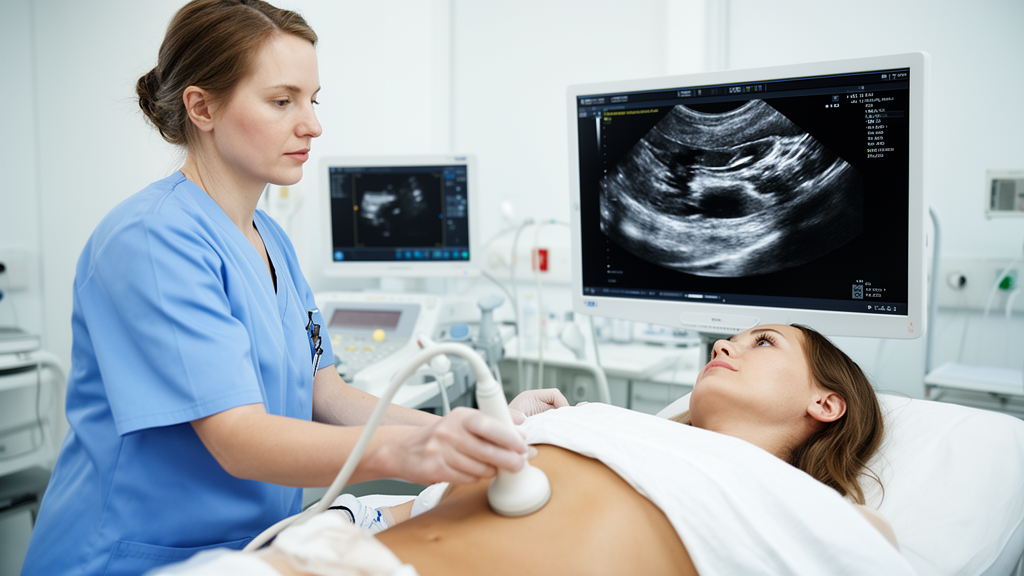
Bedside ultrasonography identified three distinct phenotypes of diaphragmatic function among patients recovering in the intensive care unit following abdominal surgery, according to a prospective observational study published in BMC Anesthesiology. The investigation evaluated dynamic diaphragmatic parameters to better understand postoperative diaphragmatic dysfunction, a prevalent complication that occurs after surgical procedures in the abdomen and remains linked with adverse clinical outcomes.
The researchers highlighted that identifying specific postoperative diaphragmatic dysfunction phenotypes could help facilitate individualised perioperative management for surgical patients. Conducted at the General Hospital of Ningxia Medical University, the study enrolled a total of 102 patients who were admitted to the intensive care unit between June 2025 and March 2026. Every participant had undergone abdominal surgery and initially received invasive mechanical ventilation upon admission.
To capture functional changes over the course of recovery, dynamic bedside ultrasonographic evaluations were performed on postoperative days 1, 4, and 7. The clinical team systematically measured diaphragmatic excursion, end-expiratory diaphragmatic thickness, end-inspiratory diaphragm thickness, and the diaphragmatic thickening fraction. Using these dynamic ultrasound measurements, the investigators carried out consensus clustering analysis to classify patients into distinct diaphragmatic function phenotypes.
In addition to ultrasound metrics, the study gathered baseline laboratory data covering inflammatory, nutritional, and catabolic biomarkers to characterise each identified cluster. These clinical markers included high-sensitivity C-reactive protein, interleukin-6, transferrin, prealbumin, and the urea-to-creatinine ratio, alongside patient body mass index measurements. The analytic consensus clustering procedure successfully grouped the 102 participants into three distinct diaphragmatic phenotypes exhibiting unique functional and physiological profiles.
Cluster 1 was characterised by the lowest values of both diaphragmatic excursion and diaphragmatic thickening fraction among the three groups. Patients assigned to this first cluster also demonstrated the highest baseline concentrations of high-sensitivity C-reactive protein and interleukin-6. Furthermore, clinical records showed that the duration of invasive mechanical ventilation was significantly longer for patients in Cluster 1 compared with those in Cluster 2, with a reported P value of 0.042.
Cluster 2 displayed a different clinical pattern, marked by the lowest values of end-expiratory diaphragmatic thickness and end-inspiratory diaphragm thickness, along with the lowest body mass index measurements. This second group was additionally characterised by the lowest baseline concentrations of transferrin and prealbumin, accompanied by the highest baseline urea-to-creatinine ratio among the cohorts. In contrast, Cluster 3 exhibited the highest values of diaphragmatic excursion and thickening fraction, intermediate end-expiratory thickness, low high-sensitivity C-reactive protein, and relatively high transferrin and prealbumin levels.
Despite these observational differences between groups, the researchers reported that no statistically significant differences in inflammatory, nutritional, and catabolic biomarkers were observed across the clusters overall. The study authors concluded that dynamic bedside ultrasonography successfully demonstrated distinct diaphragmatic function phenotypes during recovery after abdominal surgery. However, they emphasized that further research remains warranted to establish the definitive clinical relevance of these identified postoperative phenotypes in broader surgical care.
Subject of Research: Postoperative diaphragmatic function phenotypes identified through bedside ultrasonography
Article Title: Dynamic bedside ultrasonographic assessment of diaphragmatic function in patients undergoing recovery after abdominal surgery: a prospective observational study
Article References: Ma, J., Ma, J., Chen, H., Yang, X., Ding, H., Ma, L., Pan, Q., & Wang, X. (2026). Dynamic bedside ultrasonographic assessment of diaphragmatic function in patients undergoing recovery after abdominal surgery: a prospective observational study. BMC Anesthesiology. https://doi.org/10.1186/s12871-026-04433-3
Image Credits: AI Generated
DOI: 10.1186/s12871-026-04433-3
Keywords: diaphragmatic function, postoperative diaphragmatic dysfunction, bedside ultrasonography, abdominal surgery, intensive care unit, mechanical ventilation, diaphragmatic excursion, end-expiratory diaphragmatic thickness, end-inspiratory diaphragm thickness, diaphragmatic thickening fraction, consensus clustering, high-sensitivity C-reactive protein, interleukin-6, prealbumin, transferrin, urea-to-creatinine ratio, body mass index, catabolic biomarkers
News Source: Ophelia Keating. (November 19, 2026). Bedside Ultrasound Identifies Three Diaphragmatic Function Phenotypes Following Abdominal Surgery. Scienmag.