• HOME
  • NEWS
  • EXPLORE
    • CAREER
      • Companies
      • Jobs
    • EVENTS
    • iGEM
      • News
      • Team
    • PHOTOS
    • VIDEO
    • WIKI
  • BLOG
  • COMMUNITY
    • FACEBOOK
    • INSTAGRAM
    • TWITTER
Thursday, November 19, 2026
BIOENGINEER.ORG
No Result
View All Result
  • Login
  • HOME
  • NEWS
  • EXPLORE
    • CAREER
      • Companies
      • Jobs
        • Lecturer
        • PhD Studentship
        • Postdoc
        • Research Assistant
    • EVENTS
    • iGEM
      • News
      • Team
    • PHOTOS
    • VIDEO
    • WIKI
  • BLOG
  • COMMUNITY
    • FACEBOOK
    • INSTAGRAM
    • TWITTER
No Result
View All Result
Bioengineer.org
No Result
View All Result
Home NEWS Science News Health

Intermittent Theta Burst Stimulation Selectively Modulates Late-Phase Motor Preparation

by
November 19, 2026
in Health
Reading Time: 2 mins read
0
Intermittent Theta Burst Stimulation Selectively Modulates Late-Phase Motor Preparation

Intermittent Theta Burst Stimulation Selectively Modulates Late-Phase Motor Preparation

Share on FacebookShare on TwitterShare on LinkedinShare on RedditShare on Telegram

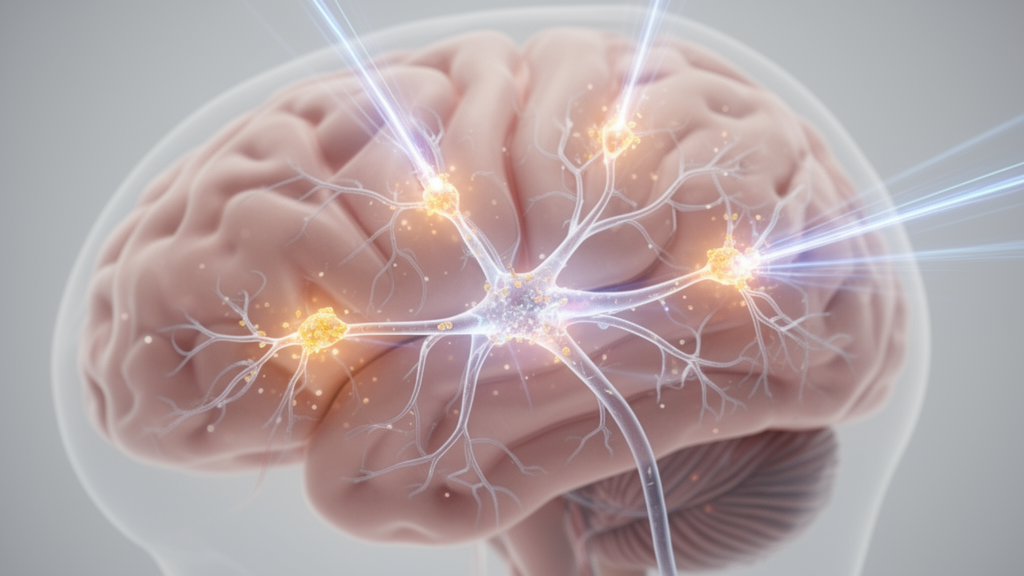
Intermittent theta burst stimulation (iTBS) directed at the primary motor cortex (M1) and the supplementary motor area (SMA) provides a selective mechanism for enhancing late-phase motor preparation.

The research involved fifteen participants performing a self-paced ballistic gripping task. Researchers applied iTBS to M1, the SMA, and a sequential combination of both (M1 + SMA) across three separate experiments. To measure the effects of the stimulation, the team analyzed the movement-related cortical potential (MRCP), focusing on four distinct components: the readiness potential, the negative slope, the motor potential, and the peak negativity. By calculating the signal-to-noise ratio on individual trials and using independent component analysis to remove artifacts, the team ensured the clarity of the MRCP data analyzed in their repeated-measures statistical study.

Results from the study revealed that stimulation site matters significantly for the modulation of motor preparation. Applying iTBS over the primary motor cortex resulted in a significant enhancement of the motor potential component. In contrast, stimulation applied directly to the supplementary motor area reduced peak negativity without altering the readiness potential. The research team noted that these effects peaked at different times; while the M1 stimulation effects were most pronounced 10 minutes post-stimulation, the effects observed from SMA and sequential stimulation reached their maximum strength at 30 minutes.

When applying sequential M1 and SMA stimulation, the researchers observed a robust facilitation of the negative slope component and a measurable increase in the signal-to-noise ratio. This specific combination suggests that multi-site stimulation may engage different neural mechanisms than single-site applications. These findings indicate that while both stimulation types modulate late-phase motor preparation, they do so through distinct cortical pathways. Early-phase activity, by contrast, remained largely unchanged across all stimulation conditions, suggesting that iTBS intervention is selective in its temporal impact.

The study authors propose that M1 stimulation primarily enhances corticospinal output, whereas sequential stimulation of both the SMA and M1 facilitates earlier cortical activity.

These findings have practical significance for the development of more responsive and reliable brain-computer interfaces. By improving the quality of the MRCP signal through targeted stimulation, developers may be able to enhance the performance of BCIs designed for individuals with motor deficits.

While the study provides evidence for the efficacy of iTBS in modulating neural components of motor preparation, it also highlights the specificity of the response.

Subject of Research: Neural modulation of motor preparation via iTBS

Article Title: Differential modulation of motor preparation by iTBS Over M1, SMA, and their combination

Article References: Wolfe, P. J., Du, R., Ravi, A., Arami, A., & Staines, W. R. (2026). Differential modulation of motor preparation by iTBS Over M1, SMA, and their combination. Journal of NeuroEngineering and Rehabilitation. https://doi.org/10.1186/s12984-026-02146-9

Image Credits: AI Generated

DOI: 10.1186/s12984-026-02146-9

Keywords: Neuroengineering, Rehabilitation, Motor Cortex, Supplementary Motor Area, iTBS, Brain Computer Interfaces, MRCP, Neural Plasticity, Motor Preparation, Cortical Stimulation, Neural Signaling, Therapeutic Neuroscience, Ballistic Gripping, Electrophysiology, Neuroscience Research

News Source: Cassandra Pierce. (November 19, 2026). Intermittent Theta Burst Stimulation Selectively Modulates Late-Phase Motor Preparation. Scienmag.


Tags: Ballistic Grippingbrain-computer interfacescortical stimulationelectrophysiologyiTBSmotor cortexmotor preparationMRCPNeural plasticityNeural SignalingneuroengineeringNeuroscience ResearchRehabilitationsupplementary motor areaTherapeutic Neuroscience
Share12Tweet7Share2ShareShareShare1

Related Posts

Bibliometric Study Maps Expanding Global Trends in Leukemia Therapeutic Drug Monitoring

Bibliometric Study Maps Expanding Global Trends in Leukemia Therapeutic Drug Monitoring

November 19, 2026
Routine Intensive Care Data Signal Heart and Lung Complications in Neonatal Hernia

Routine Intensive Care Data Signal Heart and Lung Complications in Neonatal Hernia

November 19, 2026

ECG Foundation Models Require Targeted Fine-Tuning for Accurate ICU Arrhythmia Detection

November 19, 2026

Researchers Map Mosquito-Borne Pathogen Risks Across West African Landscapes

November 19, 2026

POPULAR NEWS

  • Tryptophan Can Contribute to Seawater Iron Reduction at Lower pH

    Tryptophan Can Contribute to Seawater Iron Reduction at Lower pH

    29 shares
    Share 12 Tweet 7
  • Preserving Cervical Carotid Segments During Autopsy May Facilitate Subsequent Facial Embalming

    29 shares
    Share 12 Tweet 7
  • Adaptive Adversarial Network Boosts Seismic Fault Identification Accuracy Across Surveys

    29 shares
    Share 12 Tweet 7
  • Prenatal Testing Identifies Rare Mosaic Trisomy 14 in Early Severe Fetal Malformations

    29 shares
    Share 12 Tweet 7

About

We bring you the latest biotechnology news from best research centers and universities around the world. Check our website.

Follow us

Recent News

Bibliometric Study Maps Expanding Global Trends in Leukemia Therapeutic Drug Monitoring

Routine Intensive Care Data Signal Heart and Lung Complications in Neonatal Hernia

ECG Foundation Models Require Targeted Fine-Tuning for Accurate ICU Arrhythmia Detection

Subscribe to Blog via Email

Enter your email address to subscribe to this blog and receive notifications of new posts by email.

Join 88 other subscribers
  • Contact Us

Bioengineer.org © Copyright 2023 All Rights Reserved.

Welcome Back!

Login to your account below

Forgotten Password?

Retrieve your password

Please enter your username or email address to reset your password.

Log In
No Result
View All Result
  • Homepages
    • Home Page 1
    • Home Page 2
  • News
  • National
  • Business
  • Health
  • Lifestyle
  • Science

Bioengineer.org © Copyright 2023 All Rights Reserved.