Prenatal and postnatal inflammatory exposures interacting in a multi-hit sequence significantly affect both immune responses and long-term organ development in preterm infants, according to a mini review published in the journal Molecular and Cellular Pediatrics by researchers Victoria Pradler, Clyde J. Wright, Nazanin Kazemi-Butterfield, and Kirsten Glaser. While substantial advancements in neonatal intensive care have markedly improved overall survival rates for preterm infants, complications related to inflammation continue to represent a major driving factor in both short-term and long-term morbidity, particularly for the most immature babies.
According to the authors, preterm birth itself frequently represents the initial trigger that sets off an adverse cascade of inflammation. Following delivery, a variety of postnatal environmental factors contribute further to this harmful progression. In particular, routine clinical interventions and neonatal complications—such as respiratory support, oxygen therapy, and neonatal infections—serve as separate inflammatory stressors. The review emphasizes that each of these events independently associates with inflammation-driven tissue damage in vulnerable neonates.
The mini review notes that the preterm innate immune system seems particularly susceptible not only to acquiring infections, but also to mounting pro-inflammatory immune responses and maintaining sustained immune activation.
Mechanistically, the authors outline several biological processes that have been implicated in driving these sustained inflammatory reactions. These include a disturbed homeostasis of inflammatory mediators, antioxidant enzymes, and proteases, alongside altered pathogen recognition mechanisms. Furthermore, the researchers highlight that specific particularities in how the immature body achieves the resolution of inflammation play a critical role in prolonging the inflammatory state.
The review notes that trained immunity, immune tolerance, and epigenetic and metabolic reprogramming contribute to shaping these responses over time. Additionally, complex interactions between an altered gut microbiota and the developing immune system influence inflammatory pathways, frequently resulting in altered, increased, or sustained inflammation throughout the infant’s early life.
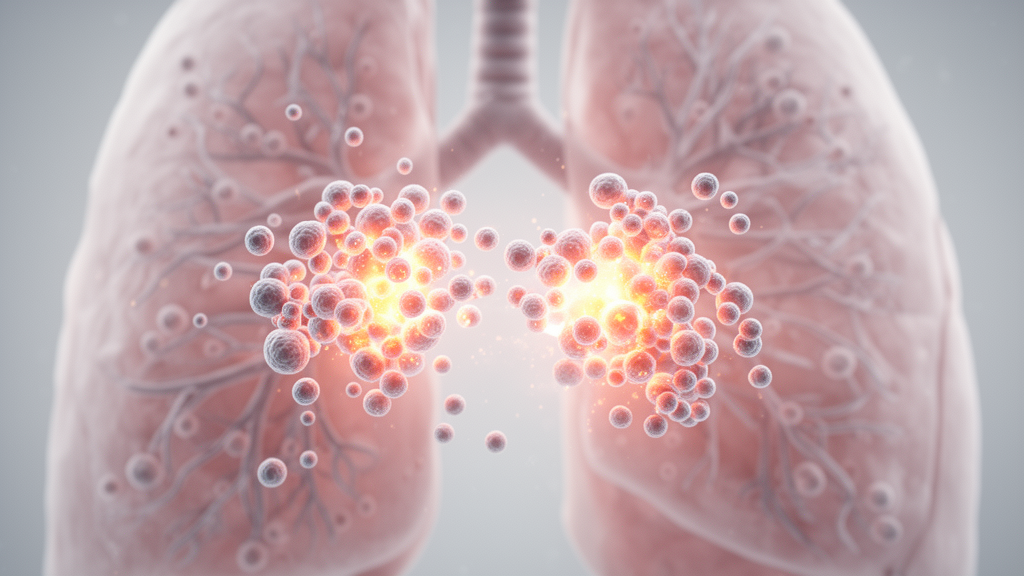
This subsequently altered, increased, or sustained inflammation has been recognized as a central mechanism linking early-life inflammatory exposures directly to impaired organ development, specifically affecting the lungs, brain, gut, and retinas. Notably, the authors observe that the overall frequency of inflammatory episodes seems to significantly impact these adverse long-term outcomes. In their conclusions, the authors emphasize that achieving a better understanding and greater clinical awareness of these multi-hit mechanisms may enable improved risk stratification, support the deliberate avoidance of unnecessary inflammatory exposures, and promote the future development of targeted therapeutic strategies to prevent adverse inflammation during this highly vulnerable period of infant development.
Subject of Research: Preterm infant innate immunity and early-life inflammatory exposures
Article Title: Priming innate immunity and long-term outcome
Article References: Pradler, V., Wright, C. J., Kazemi-Butterfield, N., & Glaser, K. (2026). Priming innate immunity and long-term outcome. Molecular and Cellular Pediatrics, 13(1), Article 31. https://doi.org/10.1186/s40348-026-00244-1
Image Credits: AI Generated
DOI: 10.1186/s40348-026-00244-1
Keywords: preterm infants, innate immunity, neonatal intensive care, inflammatory exposures, trained immunity, immune tolerance, epigenetic reprogramming, metabolic reprogramming, gut microbiota, respiratory support, oxygen therapy, neonatal infections, antioxidant enzymes, proteases, pathogen recognition, resolution of inflammation, retinal development, lung development
News Source: Kristina Jarvis. (November 19, 2026). Early Inflammatory Exposures Affect Preterm Immune Responses and Long-Term Organ Development. Scienmag.