• HOME
  • NEWS
  • EXPLORE
    • CAREER
      • Companies
      • Jobs
    • EVENTS
    • iGEM
      • News
      • Team
    • PHOTOS
    • VIDEO
    • WIKI
  • BLOG
  • COMMUNITY
    • FACEBOOK
    • INSTAGRAM
    • TWITTER
Friday, January 16, 2026
BIOENGINEER.ORG
No Result
View All Result
  • Login
  • HOME
  • NEWS
  • EXPLORE
    • CAREER
      • Companies
      • Jobs
        • Lecturer
        • PhD Studentship
        • Postdoc
        • Research Assistant
    • EVENTS
    • iGEM
      • News
      • Team
    • PHOTOS
    • VIDEO
    • WIKI
  • BLOG
  • COMMUNITY
    • FACEBOOK
    • INSTAGRAM
    • TWITTER
  • HOME
  • NEWS
  • EXPLORE
    • CAREER
      • Companies
      • Jobs
        • Lecturer
        • PhD Studentship
        • Postdoc
        • Research Assistant
    • EVENTS
    • iGEM
      • News
      • Team
    • PHOTOS
    • VIDEO
    • WIKI
  • BLOG
  • COMMUNITY
    • FACEBOOK
    • INSTAGRAM
    • TWITTER
No Result
View All Result
Bioengineer.org
No Result
View All Result
Home Headlines

New blood spot test used internationally in fight against HIV

Bioengineer.org by Bioengineer.org
January 25, 2018
in Headlines, Health, Science News
Reading Time: 2 mins read
0
Share on FacebookShare on TwitterShare on LinkedinShare on RedditShare on Telegram
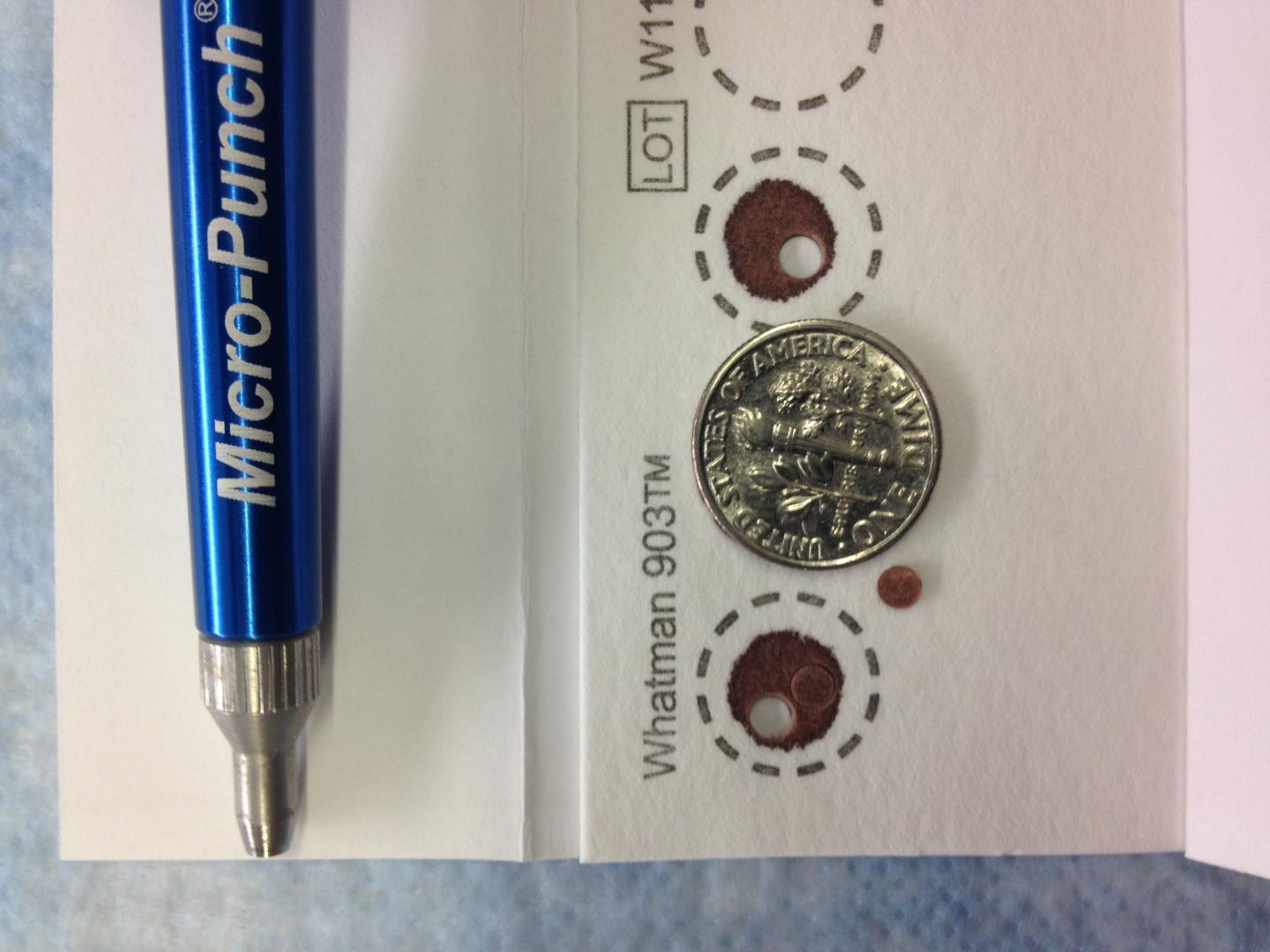
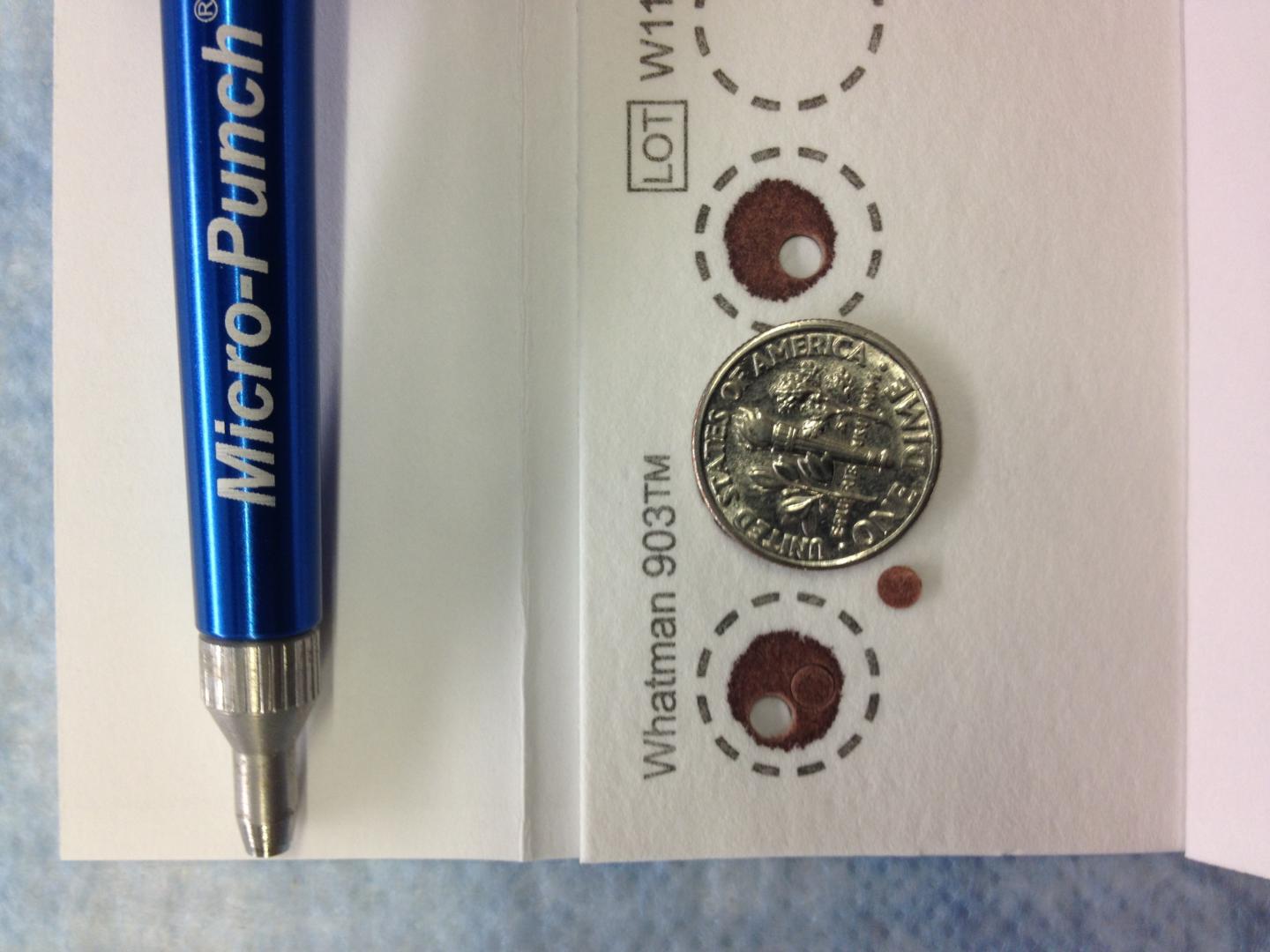
IMAGE

Researchers at the Skaggs School of Pharmacy and Pharmaceutical Sciences at CU Anschutz have developed a technique that estimates an HIV-negative patient's adherence to drugs prescribed to prevent HIV transmission during sex.

The test measures traces of antiretroviral drugs in a spot of dried blood to determine how much pre-exposure prophylactic, or PrEP, medicine a patient has used. Truvada, the only FDA-approved antiretroviral PrEP drug for HIV prevention, is proven more than 90 percent effective in stopping HIV transmission during sex – in those who use it consistently. The assay technique provides an objective way to tell if patients are using PrEP consistently.

"There's a need to objectively measure PrEP adherence because traditional ways have not been very effective," said Pete Anderson, Pharm.D. and professor of pharmaceutical sciences at the CU Skaggs School of Pharmacy. "This assay takes advantage of the long half-life of PrEP medication in red blood cells. This means the drug builds up in these cells only if the patient takes it consistently."

The method is to spot a sample of a patient's blood on an absorbent paper-like card and send it to a lab which isolates and measures concentrations of PrEP drugs found in dried red blood cells. These drugs' presence are measured to estimate how many doses a patient has taken over the last month or two. Clinicians then have an objective measurement that shows if a patient is using PrEP effectively. Studies show that people using the PreP method are most successful when medication is used consistently.

The lab manager at the CU Skaggs School of Pharmacy who developed the assay, Lane Bushman, said, "Most cell sample collections require significant effort for processing, but the dried blood spot is an easy sample collection technique. This helps with implementing the test in most settings."

Anderson said, "This assay has been in high demand for PrEP studies. We recently helped a South African lab to develop the method to help with testing demand in that region."

The assay is now being used in research internationally and the approach could have application for other drugs that require accurate measurement of patient adherence to dosing.

"We now have a grant to develop a way to do the testing at bedside," Anderson said. "We also see applications for other medications. For example, our colleague Dr. Jennifer Kiser is evaluating if a similar test could work for Hepatitis-C medications."

###

Anderson's research, supported by the National Institutes of Health, is ongoing with studies now underway at the University of Colorado Anschutz Medical Campus and collaborating institutions.

At CU Anschutz, professors are practicing clinicians and researchers who, along with their students, bring advances in the lab directly to the clinic, improving patient care and outcomes. The Skaggs School of Pharmacy and Pharmaceutical Sciences is ranked fifth in NIH-funded research.

Media Contact

Nathan Gill
[email protected]
303-319-5073
@CUAnschutz

http://www.ucdenver.edu

Share12Tweet8Share2ShareShareShare2

Related Posts

Machine Learning Unveils PRMT5 Inhibitors’ Diversity and Stability

January 16, 2026
Unveiling Genetic Diversity in Soybean Cyst Nematodes

Unveiling Genetic Diversity in Soybean Cyst Nematodes

January 16, 2026

AI Predicts Tooth Extraction with Limited Imaging Data

January 16, 2026

Kuwait Unifies Pediatric ICU Data Nationwide

January 16, 2026
Please login to join discussion

POPULAR NEWS

  • Enhancing Spiritual Care Education in Nursing Programs

    155 shares
    Share 62 Tweet 39
  • PTSD, Depression, Anxiety in Childhood Cancer Survivors, Parents

    147 shares
    Share 59 Tweet 37
  • Robotic Ureteral Reconstruction: A Novel Approach

    76 shares
    Share 30 Tweet 19
  • Study Reveals Lipid Accumulation in ME/CFS Cells

    53 shares
    Share 21 Tweet 13

About

We bring you the latest biotechnology news from best research centers and universities around the world. Check our website.

Follow us

Recent News

Machine Learning Unveils PRMT5 Inhibitors’ Diversity and Stability

Unveiling Genetic Diversity in Soybean Cyst Nematodes

AI Predicts Tooth Extraction with Limited Imaging Data

Subscribe to Blog via Email

Enter your email address to subscribe to this blog and receive notifications of new posts by email.

Join 71 other subscribers
  • Contact Us

Bioengineer.org © Copyright 2023 All Rights Reserved.

Welcome Back!

Login to your account below

Forgotten Password?

Retrieve your password

Please enter your username or email address to reset your password.

Log In
No Result
View All Result
  • Homepages
    • Home Page 1
    • Home Page 2
  • News
  • National
  • Business
  • Health
  • Lifestyle
  • Science

Bioengineer.org © Copyright 2023 All Rights Reserved.