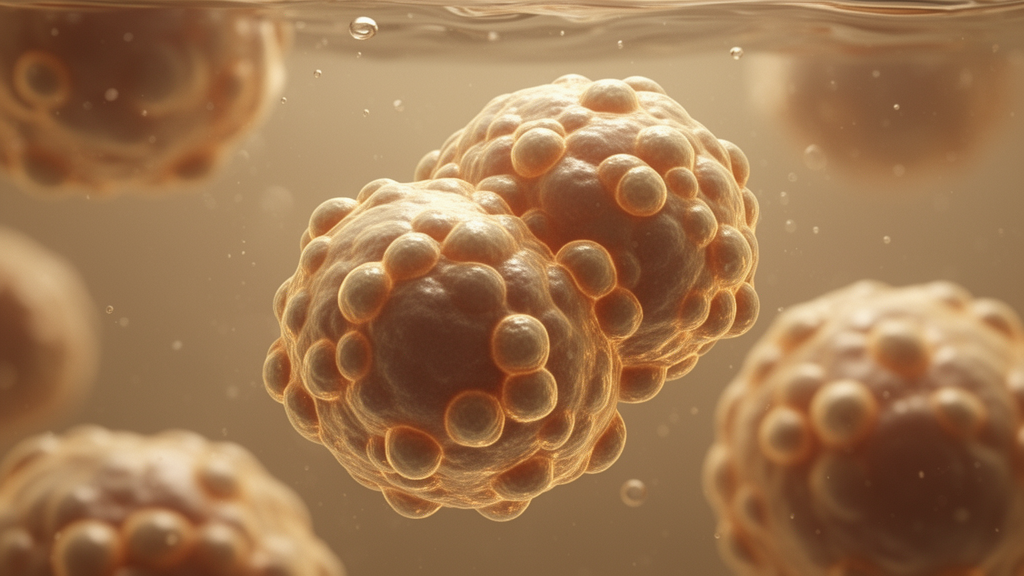
Researchers have engineered a low pH-tolerant strain of the yeast Komagataella phaffii that maintains normal growth at pH 2.6 and enables simple, efficient protein production without active pH control. Described in a research study published in Microbial Cell Factories by Jiacheng Shi, Mian Zhou, and colleagues, the evolved platform addresses a longstanding operational bottleneck in yeast-based biomanufacturing. By developing an acid-resilient cellular chassis designated GSAR, the research team demonstrated that fermentation can proceed reliably under acidic conditions without the continuous chemical interventions traditionally required to sustain cell viability and protein yield.
In conventional Komagataella phaffii cell factories, the pH of the fermentation broth progressively decreases over time as cultivation proceeds. When the broth becomes excessively acidic, this low pH induces cellular flocculation and triggers the accumulation of cytotoxic reactive oxygen species, compromising overall cell productivity. Industrial bioprocesses counteract these stress responses by adding neutralizing agents to maintain pH control. However, continuous pH monitoring and regulation increase fermentation costs. Moreover, the extensive use of neutralizers generates unwanted gypsum waste, complicates downstream protein purification, and reduces carbon efficiency.
To overcome this operational challenge, the investigators employed transposon-assisted adaptive laboratory evolution to construct an acid-resistant strain rapidly and efficiently. Designated GSAR, the resulting evolved strain exhibited normal growth at pH 2.6. Beyond thriving in low-pH media, GSAR demonstrated broad acid tolerance across diverse acidic environments. Experimental testing confirmed that the strain maintained tolerance not only to simulated gastric fluid but also to organic acids frequently encountered in bioprocessing, specifically succinic acid, malic acid, and lactic acid.
Investigating the cellular mechanisms behind this phenotype, the researchers observed that GSAR exhibited an enhanced antioxidant response as well as membrane homeostasis under acidic environments. When evaluated during non-pH-controlled fermentation under acidic conditions, the GSAR chassis enabled an enhanced yield of full-length human serum albumin. The authors attributed this improved production directly to a 10 to 15 percent reduction in protein degradation, demonstrating that the evolved chassis shields target proteins from degradation even in unbuffered acidic culture.
Overall, the research team concluded that the GSAR chassis serves as a practical resource to lower fermentation costs under acidic conditions by enhancing protein production efficiency while minimizing degradation, thereby promoting green biomanufacturing. In addition to optimizing protein yields without chemical neutralizers, the strain’s low pH-tolerant phenotype marked a crucial initial step toward engineering Komagataella phaffii into a viable gut probiotic.
Subject of Research: Acid-tolerant yeast engineering for unbuffered biomanufacturing
Article Title: Engineering a low pH-tolerant Komagataella phaffii strain enables simple and efficient protein production without pH control
Article References: Shi, J., Deng, T., Fang, B., Cui, Z., Wang, Y., Wang, Z., Yu, W., Rao, C., Zhang, C., Zhu, S., & Zhou, M. (2026). Engineering a low pH-tolerant Komagataella phaffii strain enables simple and efficient protein production without pH control. Microbial Cell Factories. https://doi.org/10.1186/s12934-026-03179-4
Image Credits: AI Generated
DOI: 10.1186/s12934-026-03179-4
Keywords: Komagataella phaffii, transposon-assisted adaptive laboratory evolution, GSAR chassis, acid tolerance, pH control, protein production, human serum albumin, fermentation costs, reactive oxygen species, membrane homeostasis, neutralizing agents, gypsum waste, succinic acid, malic acid, lactic acid, green biomanufacturing, gut probiotic
News Source: Drew Townsend. (November 18, 2026). Engineered Yeast Strain Enables Acidic Protein Production Without Any pH Control. Scienmag.