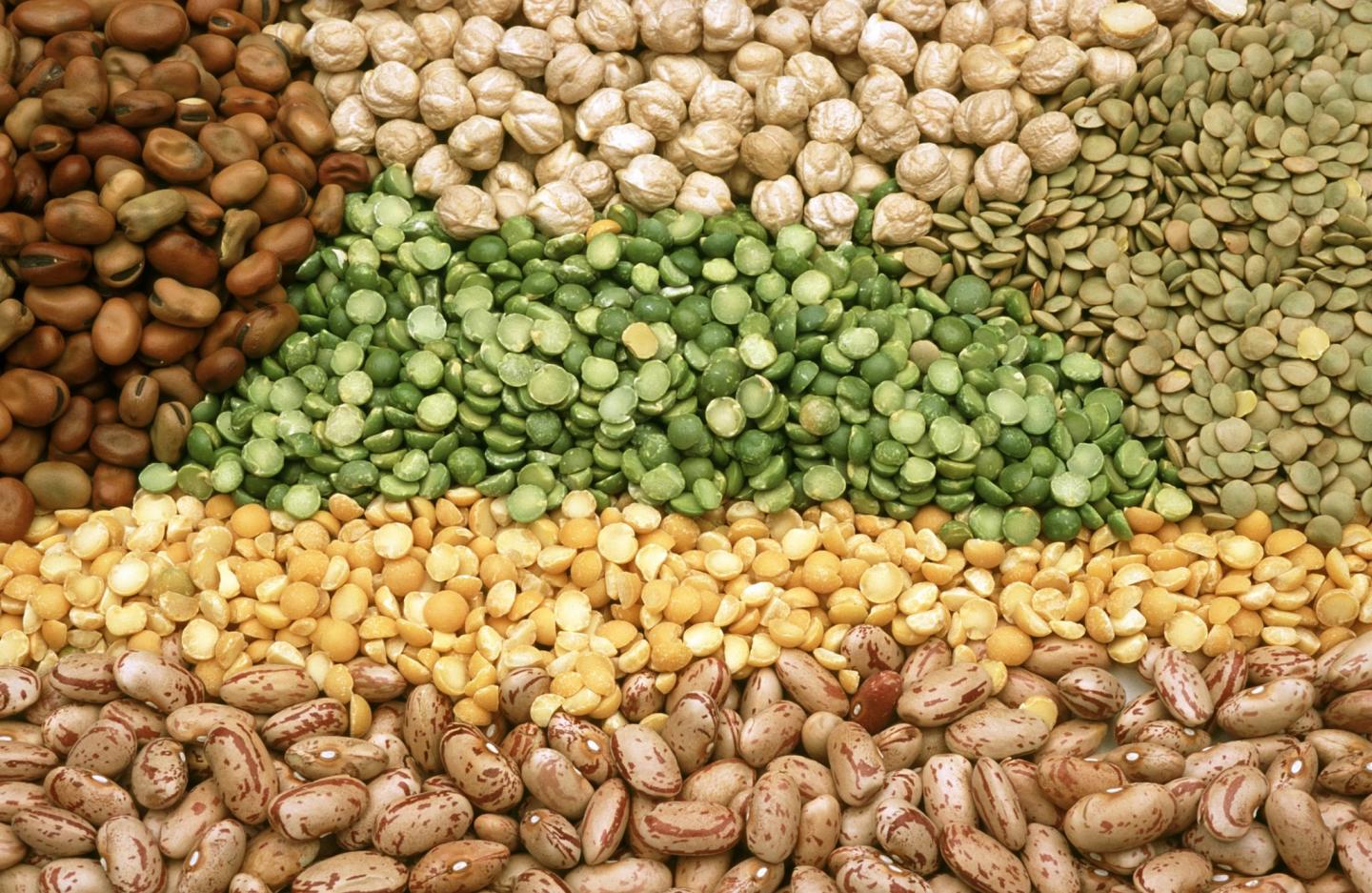
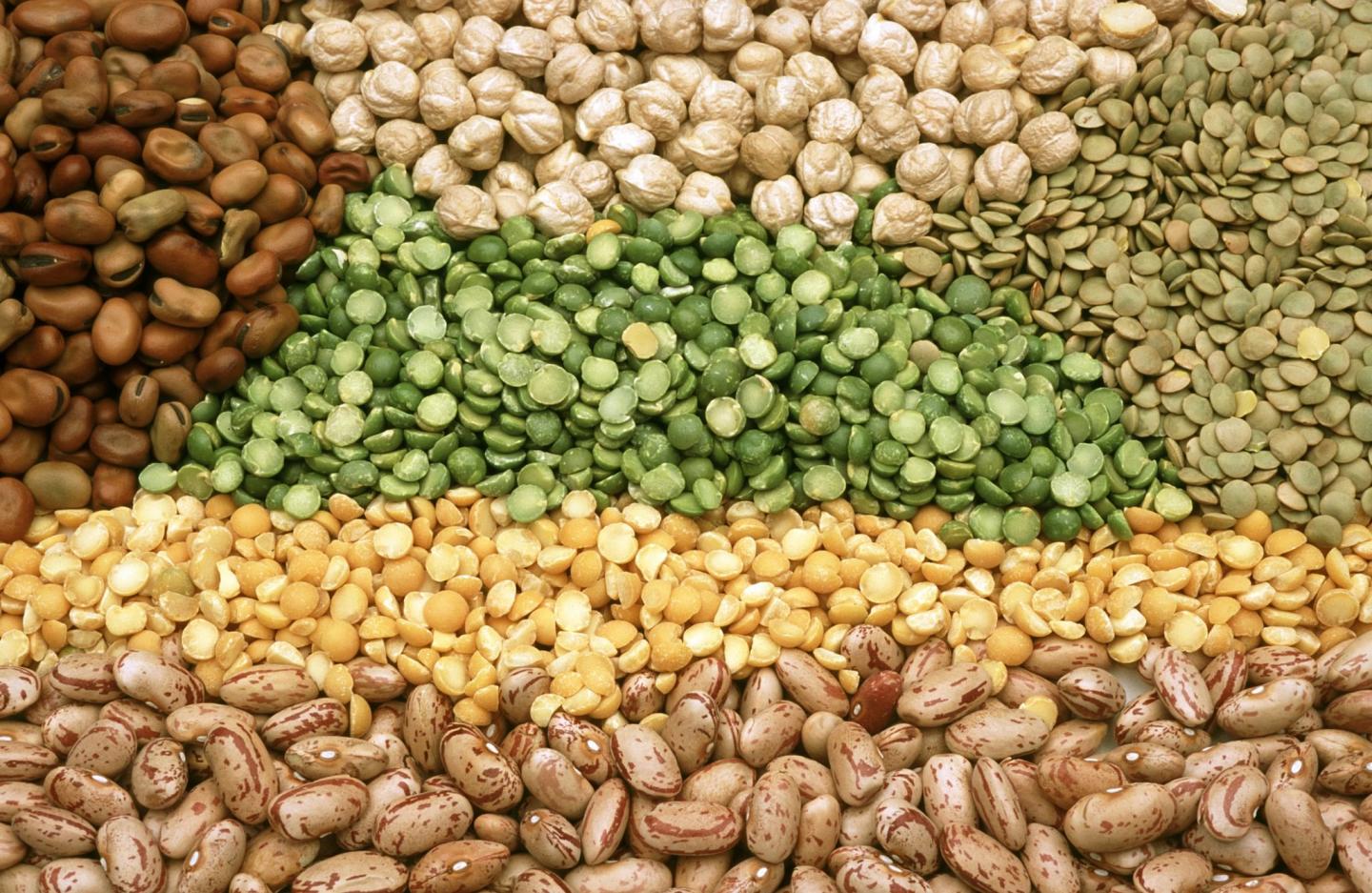
Credit: CSIRO
Legumes are a food group rich in B vitamins, contain different beneficial minerals (calcium, potassium and magnesium) and sizeable amounts of fibre and are regarded as a low-glycemic index food, which means that blood glucose levels increase only slowly after consumption. Due to these unique nutritional qualities, eating legumes regularly can help improve human health. In fact, the Food and Agriculture Organization of the United Nations (FAO) declared 2016 as the international year of legumes to raise people's awareness of their nutritional benefits.
Although legumes have long been though to offer protection against type 2 diabetes (which is a significant health problem worldwide affecting more than 400 million adults in 2015), to date there has been little research to confirm this association.
To increase the general level of knowledge in this area, researchers from the URV's Human Nutrition Unit in collaboration with other research groups in the PREDIMED study evaluated the association between the consumption of the different sub-types of non-soy legumes and the risk of type 2 diabetes among individuals at high cardiovascular risk. They also evaluated the effect of replacing other protein- and carbohydrate-rich foods with legumes on the development of the disease.
Researchers analysed 3349 participants at high risk of cardiovascular disease but without type 2 diabetes at the beginning of the PREDIMED study. After 4 years of follow-up, the results have revealed that compared to individuals with a lower consumption of total legumes — lentils, chickpeas, beans and peas- (12.73 grams/day, approximately equivalent to 1.5 servings per week of 60g of raw legumes), individuals with a higher consumption (28.75 grams/day, equivalent to 3,35 servings/week) had a 35% lower risk of developing type 2 diabetes. Of the different subtypes of legume, lentils in particular were associated with a lower risk of type 2 diabetes. Those participants who had a higher consumption of lentils during the follow-up (nearly 1 serving/week) compare to those individuals with a lower consumption (less than half a serving per week), had a 33% lower risk of developing the disease. The researchers also found that the effect of replacing half a serving/day of foods rich in protein or carbohydrates, including eggs, bread, rice and baked potato, for half a serving/day of legumes was also associated with a lower risk of type 2 diabetes incidence.
The researchers highlight the importance of consuming legumes to prevent chronic diseases such as diabetes, but state that further research must be conducted in other populations to confirm these results.
###
The study, published in the scientific journal Clinical Nutrition in March 2017, was led by Nerea Becerra-Tomás, researcher at the Human Nutrition Unit of the Universitat Rovira i Virgili, and Professor Jordi Salas-Salvado, head of the Human Nutrition Unit, Clinical Director of Nutrition at the Internal Medicine Service of the Sant Joan University Hospital in Reus, principal investigator at the Centro de Investigación Biomédica en Red Fisiopatología de la Obesidad y Nutrición (CIBERobn). Both are members of the Pere Virgili Health Research Institute (IISPV).
Reference: Becerra-Tomás N, Díaz-López A, Rosique-Esteban N, Ros E, Buil-Cosiales P, Corella D, Estruch R, Fitó M, Serra-Majem Ll, Arós F, Lamuela-Raventós R.M, Fiol M, Santos-Lozano J.M, Diez-Espino J, Portoles O, Salas-Salvadó J, PREDIMED study investigators. "Legume consumption is inversely associated with type 2 diabetes incidence in adults: a prospective assessment from the PREDIMED study". Clinical Nutrition (2017). http://dx.doi.org/10.1016/j.clnu.2017.03.015.
Media Contact
Nerea Becerra
[email protected]
34-977-759-313
@universitatURV
http://www.urv.cat