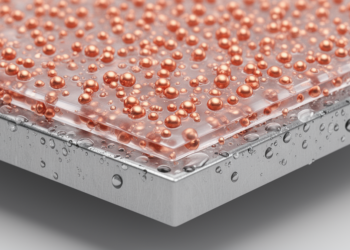
A comprehensive visual analysis of academic literature has mapped the expanding research landscape of novel wound dressings designed for wound healing. Drawing from records indexed in the Science Citation Index Expanded database of the Web of Science Core Collection, the study assessed English-language publications released between January 1, 2012, and December 31, 2025. Across this fourteen-year window, the investigators evaluated publication trends, collaboration networks, and thematic shifts to determine how material science and biomedical engineering are converging to address complex wound repair challenges.
The evaluation identified a total of 6,612 publications meeting the collection criteria, revealing a continuous annual expansion in scholarly output that accelerated substantially during the most recent years of the survey. Using the scientometric platform CiteSpace, the research team analyzed authorship networks, institutional affiliations, geographic distributions, cited journals, and author co-citation patterns. This visual mapping illuminated both the rapid growth of the discipline and the evolving conceptual structure of wound care interventions.
Co-authorship metrics revealed that investigator Guo Baolin emerged as a prominent individual contributor within the global body of work. At the institutional level, academic centers in China demonstrated extensive research productivity. Leading institutions driving publication output included the Chinese Academy of Sciences, Sichuan University, and Shanghai Jiao Tong University. These organizations formed major research clusters contributing substantial volumes of literature dedicated to advanced wound treatment platforms.
Collaboration analysis highlighted a distinct structural dynamic across the research domain. While robust partnerships and productive networks were well established within individual domestic groups and select international teams, the data revealed clear limitations in broader cross-team and inter-institutional integration. Research initiatives frequently remained concentrated within isolated institutional boundaries, indicating that global knowledge exchange and multi-center collaborative efforts have not yet reached their full potential across the sector.
Keyword co-occurrence and emergence analyses uncovered significant focal shifts in material functionality and therapeutic objectives. Research across the evaluated timeline concentrated heavily on developing antimicrobial effects within novel wound dressings and engineering smart combined drug delivery architectures intended to enhance therapeutic delivery efficiency. In parallel, co-citation analyses highlighted the central foundational roles occupied by three primary dressing categories: novel hydrogel dressings, electrospun nanofiber scaffolds, and silver nanoparticle-based formulations in promoting tissue repair.
The investigators concluded that the trajectory of novel wound dressing research is steadily broadening toward multi-target therapeutic modulation, intelligent delivery responsiveness, and deliberate optimization of the localized wound microenvironment. However, the study emphasized that several persistent barriers continue to hinder field progression, specifically highlighting challenges surrounding manufacturing cost control, formal clinical translation, deeper mechanistic understanding, and continued technical innovation required to transition laboratory materials into viable clinical wound care strategies.
The bibliometric examination utilized CiteSpace to map the foundational literature, specifically targeting the intersection of material science and biomedical engineering. By tracking citation patterns and keyword emergence, the analysis provides a retrospective view of how academic inquiry has shifted toward more sophisticated, multifunctional dressing designs. The study categorized publications by research themes, including cited journals and authorship distributions, to identify the intellectual architecture supporting these advancements. Researchers utilized these longitudinal data points to correlate specific material development trends with clinical objectives. These findings suggest that future innovations in the field will likely rely on integrating cross-disciplinary strategies that bridge the gap between experimental material characterization and the practical requirements of complex clinical wound management.
Subject of Research: Bibliometric analysis of global research trends in novel wound dressings for wound healing
Article Title: Current status analysis of novel wound dressings in wound healing: a bibliometric study based on CiteSpace
Article References: Zhong, Y., Chen, Y., Zhou, J., Li, T., Liu, W., Zhou, Z., & Ding, Y. (2026). Current status analysis of novel wound dressings in wound healing: a bibliometric study based on CiteSpace. Journal of Materials Science: Materials in Engineering. https://doi.org/10.1186/s40712-026-00628-1
Image Credits: AI Generated
DOI: 10.1186/s40712-026-00628-1
Keywords: Wound dressings, Wound healing, Bibliometric analysis, CiteSpace, Web of Science Core Collection, Hydrogel dressings, Electrospun nanofiber dressings, Silver nanoparticle dressings, Antimicrobial dressings, Smart drug delivery systems, Microenvironment optimization, Chinese Academy of Sciences, Sichuan University, Shanghai Jiao Tong University, Guo Baolin, Clinical translation
News Source: Denise Maddox. (November 18, 2026). Bibliometric Analysis Maps Over 6,600 Studies on Novel Wound Dressing Technologies. Scienmag.