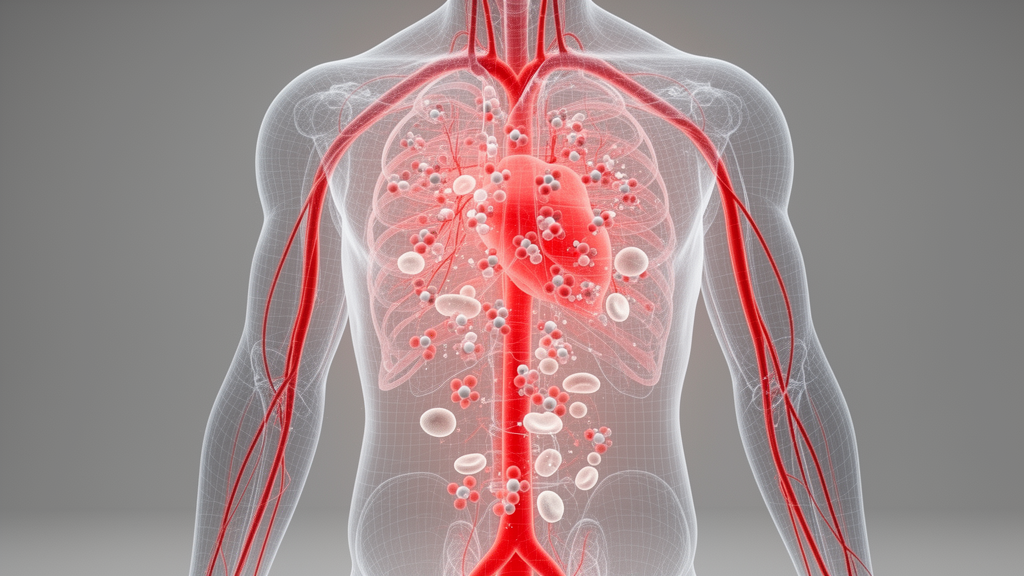
A retrospective study evaluating critical care records has revealed that a regularized machine learning model predicted initial vancomycin serum concentrations in septic intensive care patients more accurately than seven established population pharmacokinetic models. Sepsis is clinically defined as life-threatening organ dysfunction arising from a dysregulated host response to infection, presenting dynamic pathophysiological alterations that undermine uniform treatment protocols. Beyond rapid source control, antimicrobial administration represents the primary causal therapy capable of directly targeting underlying pathogens. Vancomycin serves as an established therapeutic cornerstone for severe Gram-positive infections, notably methicillin-resistant Staphylococcus aureus, yet clinical management remains notoriously difficult in the intensive care unit. Critical illness introduces marked pharmacokinetic and pharmacodynamic variability driven by fluctuating organ function, aggressive fluid administration, and concurrent supportive therapies. Inappropriate initial dosing carries grave clinical risks: subtherapeutic concentrations may lead to treatment failure, delayed bacterial eradication, and the emergence of resistant strains like vancomycin-intermediate Staphylococcus aureus, whereas supratherapeutic drug levels heighten the risk of nephrotoxicity. Both scenarios are linked to prolonged hospitalizations and increased patient mortality.
Achieving prompt, adequate antibiotic exposure is central to early sepsis resuscitation protocols, including the widely emphasized one-hour sepsis bundle, but clinicians face systemic obstacles when selecting the very first dose. Therapeutic drug monitoring enables clinicians to individualize antibiotic dosing over time by measuring circulating drug concentrations from blood draws and titrating infusions accordingly. However, concentration measurements are completely absent when the initial dose must be administered, leaving clinicians to depend on population-based estimates that frequently fail to capture the profound physiological heterogeneity found in septic patients. While specialized pharmacometric tools such as TDMx apply Bayesian model averaging or selection once laboratory monitoring results arrive, they default to a single, manually chosen population pharmacokinetic model for the initial dose. Furthermore, existing population pharmacokinetic frameworks are rarely developed from critically ill sepsis cohorts and typically rely on a restricted set of variables, such as patient age, weight, and serum creatinine, which cannot adequately reflect rapid hemodynamic shifts or multi-organ instability. Because sparse, irregular sampling in routine intensive care complicates the development of new population models, researchers investigated whether machine learning could exploit routinely collected electronic medical records to forecast initial exposure before laboratory drug monitoring results become available.
To investigate this data-driven alternative, researchers analyzed high-resolution clinical records collected between 2018 and 2022 through the SepsisDataNet.NRW multi-center registry in North Rhine-Westphalia, Germany. The specific investigative dataset was derived from a single participating medical center, the Knappschaft Kliniken University Hospital at Ruhr-University Bochum, selected because it maintained a particularly comprehensive repository of clinical variables among patients fulfilling the study criteria. The research protocol adhered to ethical approval granted by the ethics committee of Ruhr-University Bochum under registry number 18-6606-BR. Eligible adult intensive care patients were diagnosed with sepsis, received a vancomycin loading dose followed by continuous intravenous infusion, and had at least one measured serum concentration documented within a window of 12 to 120 hours following the initial dose. This observation window also captured the standard clinical timeframe during which continuous vancomycin infusions are adjusted after roughly 24 hours of therapy. A final cohort of 64 patients met all selection parameters, providing longitudinal time-series data covering demographics, comorbidities, physiological vital signs, mechanical ventilation status, medication infusions, fluid balances, and clinical organ failure scores.
The mathematical and clinical objective centered on predicting the first measured vancomycin serum concentration using only information available up to the precise moment the initial antibiotic dose was prescribed, designated as time point t_dose. Between this prescribing decision and the subsequent laboratory concentration measurement at time point t_meas, the models incorporated only data detailing the administered vancomycin therapy itself. Time-varying laboratory measurements and vital parameters documented within the 24-hour window preceding the dosing decision were condensed into arithmetic means to capture relevant acute physiological trends without overwhelming the parameter space. Continuous intravenous infusions were standardized by determining the exact temporal intersection between each drug administration interval and the defined 24-hour pre-dose aggregation window, multiplying the overlapping duration by the recorded infusion rate to derive cumulative doses. Candidate predictors were selected according to physiological plausibility and previously published associations, encompassing demographics, anthropometric measurements, renal markers including creatinine clearance and Cockcroft-Gault estimates, liver enzymes, inflammatory markers, fluid metrics, vasoactive support, mechanical ventilation, and clinical SOFA scores.
To rigorously handle the small sample size relative to the broad set of candidate predictors, the authors implemented robust, regularized algorithms: elastic net regression, random forest, and extreme gradient boosting, known as XGBoost. Elastic net regression linearly models the outcome while applying both ridge and lasso penalties to constrain coefficient magnitudes and eliminate non-informative variables. Random forest builds an ensemble of decorrelated decision trees trained on bootstrap samples, reducing variance through bagging and random feature selection at branch splits. XGBoost iteratively fits decision trees to residual errors under explicit regularization constraints that penalize tree depth and leaf weights to prevent overfitting. Data preprocessing and algorithm evaluation were embedded within a stratified five-times repeated 15-fold nested cross-validation framework to prevent data leakage and provide unbiased estimates of model generalizability. Stratification was structured across three clinically relevant concentration tiers: subtherapeutic below 15 milligrams per liter, therapeutic between 15 and 25 milligrams per liter, and supratherapeutic above 25 milligrams per liter. Across all inner and outer splits, zero-variance features and variables with missingness exceeding 30 percent were removed, missing baseline creatinine was imputed at 0.9 milligrams per deciliter, and remaining missing values were resolved with median imputation.
The study cohort exhibited profound physiological derangements characteristic of severe sepsis, with a mean patient age of 59.8 years, a 62 percent male predominance, and a mean body mass index of 30.5 kilograms per square meter. Renal function varied extensively across the cohort, with calculated creatinine clearances spanning from 12.5 to 258.6 liters per hour, emphasizing the wide clearance differences that complicate standard antibiotic regimens. Invasive interventions such as mechanical ventilation, vasoactive infusions, and intensive fluid administration underscored substantial acute organ instability across the group. Following the initial vancomycin loading dose and continuous infusion, the mean observed initial serum concentration reached approximately 24 milligrams per liter. Relevant anthropometric features, including measured height, weight, and body mass index, exhibited notable missingness in the routine electronic health records, illustrating the practical constraints of real-world critical care documentation and highlighting the necessity of relying on more consistently captured clinical metrics.
When evaluated across the outer cross-validation folds, the machine learning models outperformed seven reference population pharmacokinetic models implemented in the TDMx clinical software platform. Across the evaluated metrics—mean absolute error, root mean squared error, and the coefficient of determination—the machine learning approaches demonstrated narrower error distributions and reduced variance. The elastic net regression model achieved the highest predictive performance, recording an average root mean squared error of 6.19 milligrams per liter, a mean absolute error of 4.98 milligrams per liter, and an R-squared of 0.75. In comparison, the highest-performing reference population pharmacokinetic model, authored by Mangin and colleagues, yielded a root mean squared error of 7.83 milligrams per liter, a mean absolute error of 6.38 milligrams per liter, and an R-squared of 0.62. Other evaluated population pharmacokinetic models exhibited greater error dispersion and occasional extreme outliers across resampled test subsets, reflecting the limitations imposed by rigid structural compartmental assumptions when applied to highly unstable septic cohorts.
Categorical performance was further examined across 1,408 resampled observations categorized into subtherapeutic, therapeutic, and supratherapeutic tiers based on the standard clinical target range of 15 to 25 milligrams per liter. While the reference population pharmacokinetic models identified subtherapeutic concentrations with 70 to 100 percent accuracy, their predictive accuracy dropped sharply at elevated concentrations, identifying only 13 to 65 percent of supratherapeutic cases. Conversely, random forest and XGBoost correctly classified high concentrations in 75 and 74 percent of cases, respectively, but struggled to identify subtherapeutic concentrations, correctly detecting them in fewer instances due to limited training samples in that range. The elastic net model achieved the most consistent classification across all three ranges, maintaining accuracy rates above 64 percent in each category. While the elastic net primarily made errors between adjacent tiers—such as misclassifying therapeutic cases as supratherapeutic in 24 percent of instances and supratherapeutic cases as therapeutic in 11 percent—approximately 10 percent of resampled subtherapeutic observations were erroneously categorized as supratherapeutic, representing an important operational consideration for clinical decision support.
To deliver an interpretable final model, the researchers tuned and fitted the elastic net across the complete cohort, establishing optimal regularization hyperparameters of lambda 0.89 and alpha 0.3. The retained standardized regression coefficients delineated three distinct functional categories of clinical importance. Predictors associated with drug exposure and renal function exerted the strongest influence: cumulative vancomycin dose emerged as the leading positive predictor with a standardized coefficient of 4.353, followed by pre-existing chronic kidney disease at 2.912 and serum creatinine at 2.628, while creatinine clearance showed a strong negative association at negative 1.821. Temporal and hemodynamic factors formed a second influential cluster: time since first dose administration had a standardized coefficient of 1.982, cumulative norepinephrine dose registered at 1.641, and daily urine output showed a negative coefficient of negative 1.526, reflecting the physiological consequences of circulatory shock, impaired renal perfusion, and fluid turnover. Markers of systemic inflammation and secondary organ involvement also contributed, including glutamic oxaloacetic transaminase at 2.218 and procalcitonin at negative 1.958. Markers of overall critical illness formed a third group showing negative associations, including mechanical ventilation at negative 1.148, total SOFA score at negative 0.722, and the Horowitz quotient at negative 0.231, whereas baseline demographic variables such as age, gender, and weight exhibited minimal predictive weight.
Translating these findings into clinical units, unstandardized regression coefficients illustrated how specific physiological alterations quantitatively shifted predicted serum vancomycin concentrations. The presence of chronic kidney disease increased the model’s predicted concentration by 8.753 milligrams per liter, and each gram of administered vancomycin added 5.717 milligrams per liter. For renal laboratory measurements, every 1 milligram per liter increase in baseline serum creatinine raised the predicted concentration by 3.028 milligrams per liter, while each 1 milliliter per minute reduction in calculated creatinine clearance added approximately 0.032 milligrams per liter. Severe illness indicators exerted moderating effects, with mechanical ventilation reducing the predicted concentration by 2.302 milligrams per liter and each point increase on the SOFA score lowering it by 0.410 milligrams per liter, likely reflecting expanded extracellular volumes of distribution from aggressive resuscitation. The authors cautioned that the modest 64-patient single-center sample limits broader generalizability, that 24-hour mean feature aggregations cannot capture dynamic temporal trajectories, and that external multi-center validation remains essential before these predictive algorithms can be integrated into electronic health record workflows or deployed as certified clinical decision support systems.
Subject of Research: Machine learning prediction of initial vancomycin serum concentrations in septic intensive care patients
Article Title: Development and evaluation of machine learning-based prediction-modelling for initial vancomycin serum concentrations in septic ICU patients using clinical health record data
Article References: Grugel, R., Westhus, B., Nowak, H., Adamzik, M., Rahmel, T., & Eisenacher, M. (2026). Development and evaluation of machine learning-based prediction-modelling for initial vancomycin serum concentrations in septic ICU patients using clinical health record data. Intensive Care Medicine Experimental, 14(1), Article 125. https://doi.org/10.1186/s40635-026-00973-7
Image Credits: AI Generated
DOI: 10.1186/s40635-026-00973-7
Keywords: vancomycin, sepsis, intensive care unit, machine learning, elastic net regression, population pharmacokinetics, therapeutic drug monitoring, continuous infusion, serum creatinine, creatinine clearance, norepinephrine, random forest, XGBoost, nephrotoxicity, SOFA score, SepsisDataNet.NRW, nested cross-validation, antimicrobial therapy
News Source: Teresa Odom. (November 18, 2026). Machine Learning Outperforms Pharmacokinetic Models Predicting Initial Vancomycin Concentrations in Septic Patients. Scienmag.