Artificial intelligence has established itself as a pivotal driver of innovation across cancer immunotherapy by deploying large-scale biological data modeling, multimodal information integration, and advanced machine learning approaches. According to a correspondence report published in Biomarker Research examining emerging trends from the AACR Annual Meeting 2026, computational frameworks are demonstrating increasingly broad utility across the modern immunotherapy continuum.
At the annual meeting, investigators demonstrated that artificial intelligence frameworks provide functional utility across multiple critical stages of cancer care and drug development. Specifically, documented applications encompassed treatment response prediction, patient stratification, neoantigen identification, and therapeutic development. These developments reflect an expanding scope for advanced algorithms throughout translational and clinical oncology workflows.
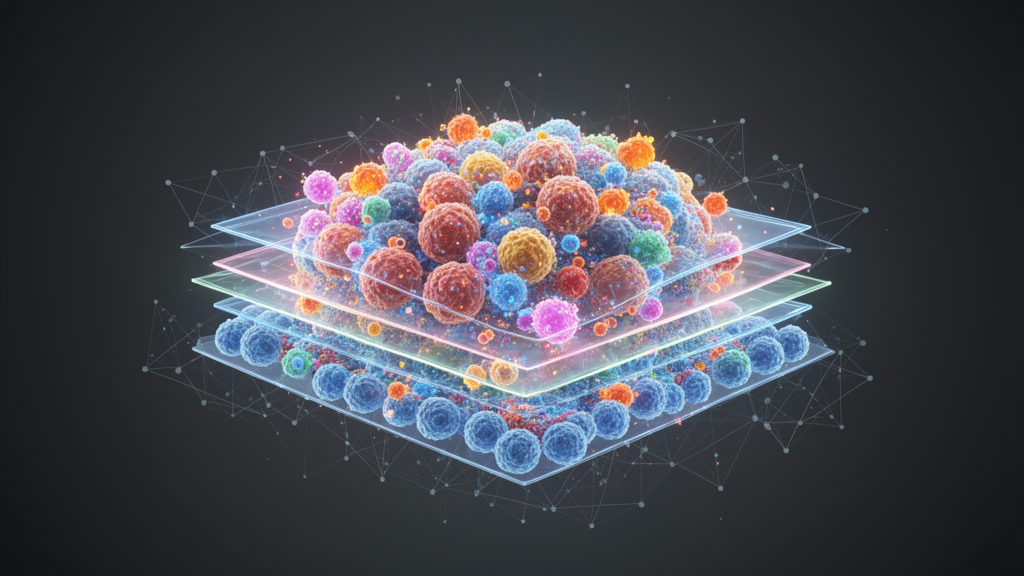
A substantial array of presented studies transcended conventional single-biomarker paradigms that previously dominated cancer assessment. Instead of relying upon isolated measurements, researchers leveraged comprehensive multimodal clinical and molecular datasets. These data-driven strategies enabled the construction of biologically interpretable representations of complex tumor–immune ecosystems, providing richer frameworks for evaluating patient biology.
The collective findings presented at the meeting indicate a decisive shift away from reductionist biomarker-based prediction toward integrative, data-driven precision immunotherapy. By synthesizing diverse clinical metrics and molecular profiles into unified analytical models, these machine learning approaches fundamentally reshape how investigators approach therapeutic stratification and biological target discovery.
Ultimately, the correspondence authors note that these technological advances firmly establish artificial intelligence as a central driver of both the conceptual and practical transformation of cancer immunotherapy. As multimodal modeling continues to supplant isolated biomarker tests, precision immunotherapy increasingly relies on integrated computational architectures to guide patient classification and therapeutic innovation.
Subject of Research: Artificial intelligence applications in cancer precision immunotherapy
Article Title: AI-driven precision immunotherapy: emerging trends from AACR 2026
Article References: Chen, Y., Chen, M., Xi, Y., Xia, Y., Ma, S., & Chen, B. (2026). AI-driven precision immunotherapy: emerging trends from AACR 2026. Biomarker Research, 14(1), Article 120. https://doi.org/10.1186/s40364-026-00995-z
Image Credits: AI Generated
DOI: 10.1186/s40364-026-00995-z
Keywords: artificial intelligence, cancer immunotherapy, precision immunotherapy, AACR Annual Meeting 2026, response prediction, patient stratification, neoantigen identification, therapeutic development, multimodal data, machine learning, biological data modeling, tumor-immune ecosystems, target discovery, biomarker research, molecular datasets, clinical datasets, biomarker paradigms
News Source: Nathaniel Bowman. (November 18, 2026). AI Frameworks Advance Multimodal Precision Immunotherapy Across Cancer Care. Scienmag.