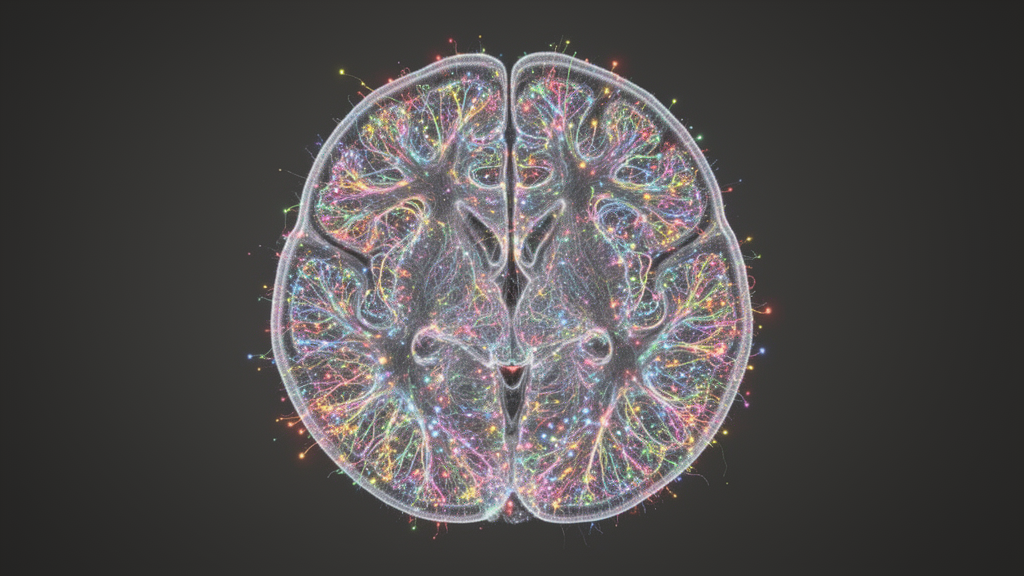
Decoded latent neural states in the anterior cingulate cortex diverged from behavior in alcohol-preferring rats following quinine devaluation, according to dynamic functional connectivity analyses of freely behaving rats. While neural and behavioral measures remained aligned in Wistar rats, alcohol-preferring rats demonstrated an inability to acquire stable neural states after alcohol was devalued with bitter quinine.
To investigate persistent alcohol-seeking in alcohol use disorder, the study characterized the temporal evolution of anterior cingulate cortex neural activity states in freely behaving rats performing an aversion-resistant drinking task. Alcohol-preferring P rats were assessed because they reliably display aversion-resistant drinking when alcohol is devalued with the bitter tastant quinine.
These P rats were compared directly with Wistar rats, which progress slower to aversion-resistant drinking as indicated by the cessation of drinking following quinine devaluation. Using dynamic functional connectivity analyses of spike-train recordings, researchers successfully identified latent neural states corresponding to seeking and non-seeking phases during the behavioral sessions.
The team integrated this latent-state decoding of neural activity with a seeking intensity model derived from observed drinking behavior. This framework revealed that decoded latent neural states closely tracked behavior. Furthermore, during alcohol-reinforced sessions, neural and behavioral measures of drinking or non-drinking states were strongly aligned in both rat strains.
Following alcohol devaluation, this alignment diverged in P rats but remained consistent in Wistars. The inability of P rats to acquire stable neural states after devaluation suggests that impaired formation of latent states serves as a neural mechanism of aversion-resistant drinking, offering insights into cognitive vulnerabilities that may sustain alcohol use disorder.
Subject of Research: Neural activity states of aversion-resistant alcohol-seeking in rats
Article Title: Dynamic functional connectivity reveals evolving neural activity states of alcohol-seeking in rats
Article References: Zhang, Y., Timme, N. M., Liu, M., Lapish, C. C., & Goñi, J. (2026). Dynamic functional connectivity reveals evolving neural activity states of alcohol-seeking in rats. PLOS Biology, 24(11), e3004108. https://doi.org/10.1371/journal.pbio.3004108
Image Credits: AI Generated
DOI: 10.1371/journal.pbio.3004108
Keywords: anterior cingulate cortex, aversion-resistant drinking, alcohol-seeking, alcohol-preferring rats, Wistar rats, dynamic functional connectivity, spike-train recordings, latent neural states, quinine devaluation, alcohol use disorder, seeking intensity model, neural activity decoding, behavioral tracking, cognitive vulnerabilities, temporal evolution, freely behaving rats, neural alignment
News Source: Cassandra Pierce. (November 17, 2026). Dynamic Neural States in Rat Cortex Track Aversion-Resistant Alcohol Seeking. Scienmag.