• HOME
  • NEWS
  • EXPLORE
    • CAREER
      • Companies
      • Jobs
    • EVENTS
    • iGEM
      • News
      • Team
    • PHOTOS
    • VIDEO
    • WIKI
  • BLOG
  • COMMUNITY
    • FACEBOOK
    • INSTAGRAM
    • TWITTER
Saturday, February 7, 2026
BIOENGINEER.ORG
No Result
View All Result
  • Login
  • HOME
  • NEWS
  • EXPLORE
    • CAREER
      • Companies
      • Jobs
        • Lecturer
        • PhD Studentship
        • Postdoc
        • Research Assistant
    • EVENTS
    • iGEM
      • News
      • Team
    • PHOTOS
    • VIDEO
    • WIKI
  • BLOG
  • COMMUNITY
    • FACEBOOK
    • INSTAGRAM
    • TWITTER
  • HOME
  • NEWS
  • EXPLORE
    • CAREER
      • Companies
      • Jobs
        • Lecturer
        • PhD Studentship
        • Postdoc
        • Research Assistant
    • EVENTS
    • iGEM
      • News
      • Team
    • PHOTOS
    • VIDEO
    • WIKI
  • BLOG
  • COMMUNITY
    • FACEBOOK
    • INSTAGRAM
    • TWITTER
No Result
View All Result
Bioengineer.org
No Result
View All Result
Home NEWS Science News Biology

Crop advances grow with protection

Bioengineer by Bioengineer
January 25, 2018
in Biology, Science News
Reading Time: 2 mins read
0
Share on FacebookShare on TwitterShare on LinkedinShare on RedditShare on Telegram
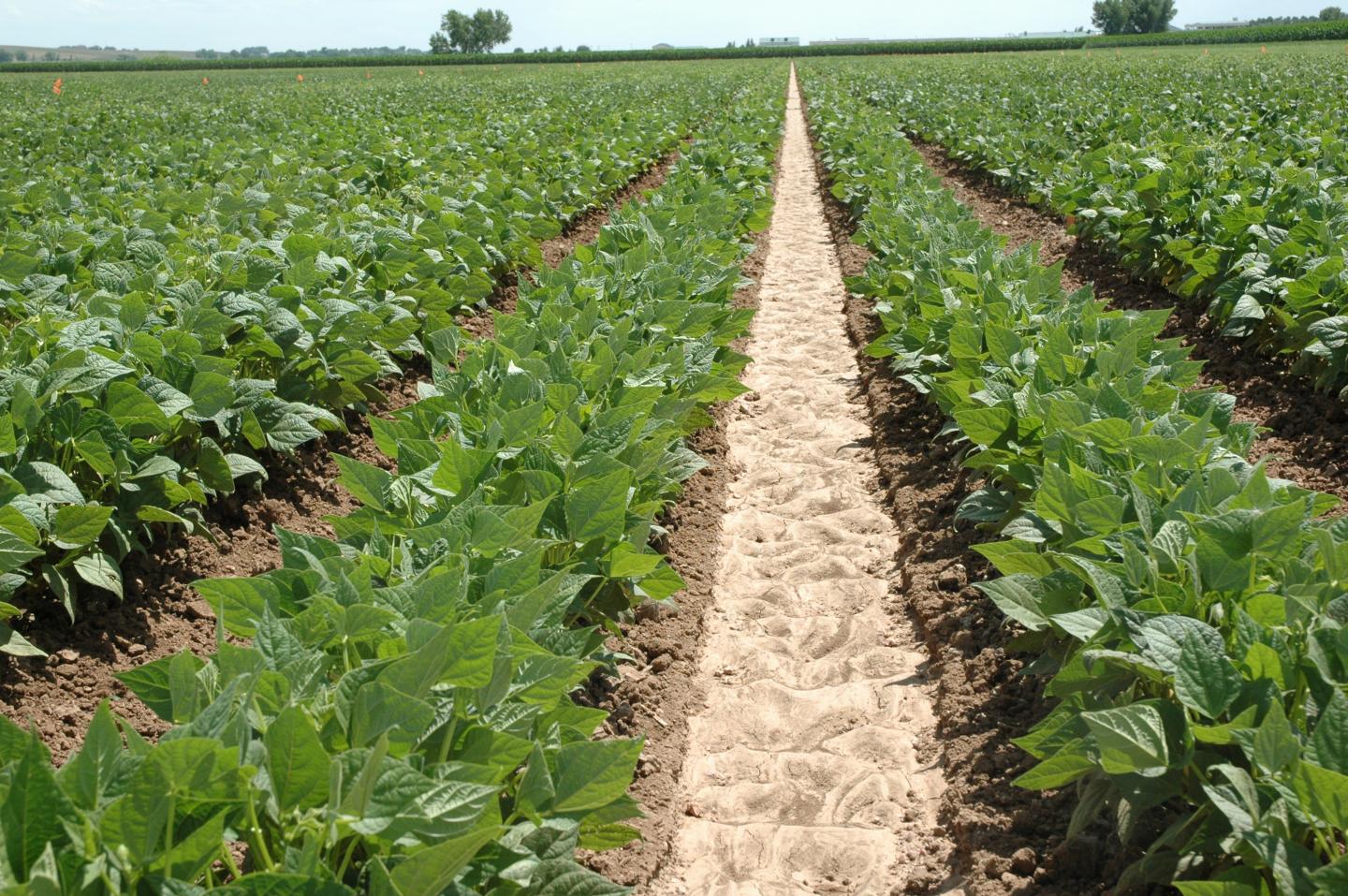
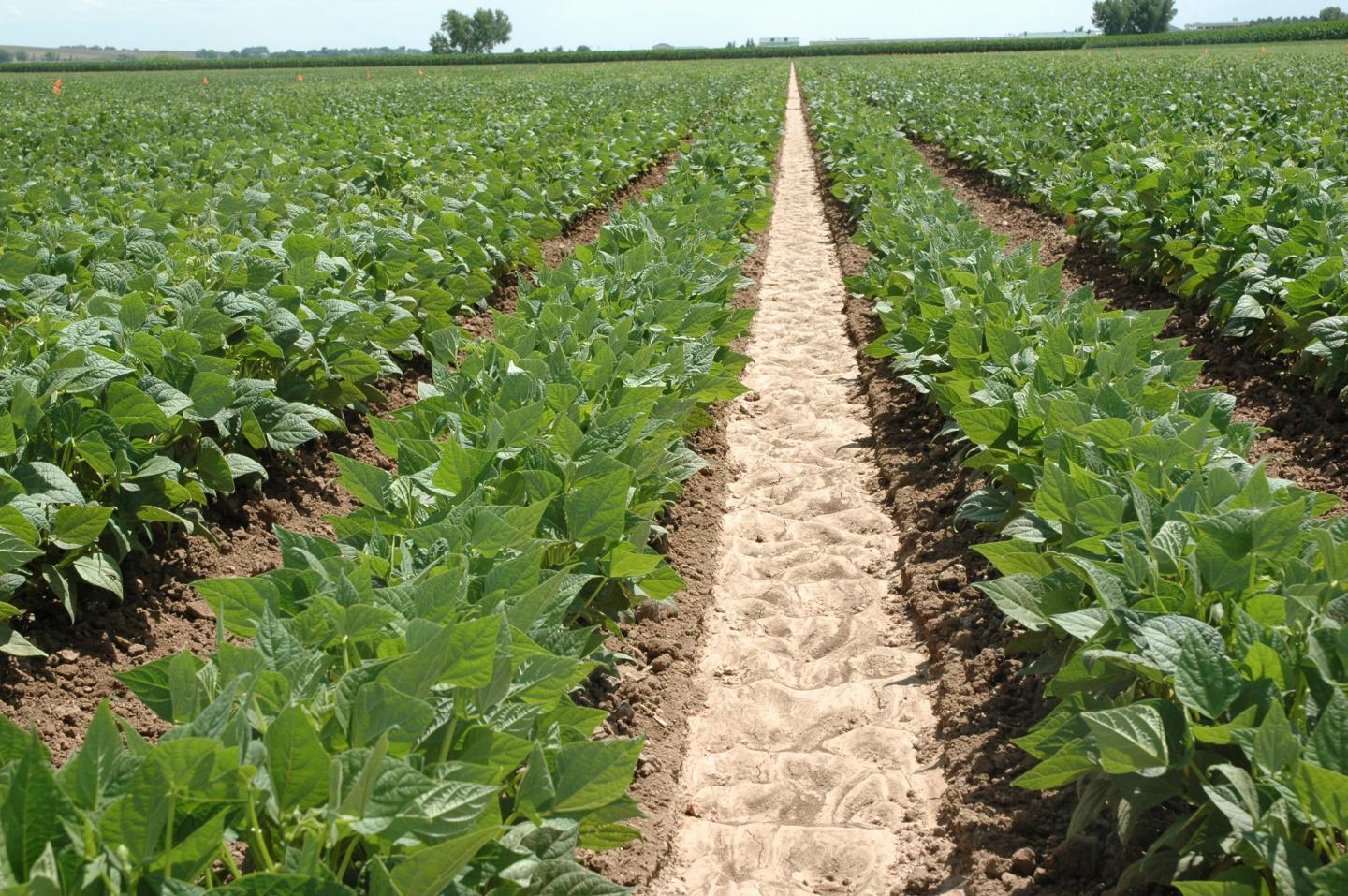
IMAGE

Credit: Photo credit 2015 CSSA photo contest submission.

Most people are aware of open-source computer programs. These free programs, accessible by anyone, spread technology to distant corners of the world. Cutting-edge innovations, however, come at a price. As a result, many software companies license their work.

These same concerns exist within the seed-development arena. Some plant researchers support the free exchange of new varieties of seeds and plants. Doing so, they argue, benefits both plant breeders and farmers. Considering seeds "intellectual property" may seem harmful to this free exchange of information.

But all coins have two sides. Stephen Smith and a team at Iowa State University examined the impact of intellectual property protection in a new study. Smith is a professor of agronomy and visiting scientist in seed science. The researchers found intellectual property protection benefits both plant breeders and society.

Smith's study linked crop improvements to the improved economic welfare, health, and nutrition of consumers. The study showed that, in general, intellectual property protection benefits both plant breeders and society. "The metric used for measuring success as a result of plant breeding was optimal genetic innovation," Smith says, "which we equated with optimal social welfare."

"Future generations will rely upon an adaptive, productive, and sustainable agriculture," he says, "conducted in a healthy and diverse biological environment." That diversity demands the development of more crops with improved qualities.

According to Smith, intellectual property protection is necessary for several reasons. First, it helps researchers attract funding. This funding supports risky research that would not be possible otherwise. This research can lead to better products for farmers.

Second, intellectual property protection pushes crop research and development. This innovation is vital to meet increasing global challenges. Increased demand for crops, climate change, and attacks from diseases and pests are stark realities.

Finally, Smith says, "Protection is essential to help prevent misappropriation of varieties and counterfeiting of products." Such practices hurt the abilities of farmers to run their business. They can also lead to crop failure if seeds or crop varieties are mislabeled.

The study considered several factors. It found the "strength and length" of protection is key for agricultural companies when fine-tuning their research program. The costs of purchasing or developing genetic stocks and new technologies were also considered.

Without protection, Smith says, companies would have no incentive to produce new and innovative plant varieties. "Private sector funding would not occur sustainably without the opportunity to obtain some degree of exclusivity on sale and commercial returns," Smith explains.

Read more about Smith's work in Crop Science.

###

Media Contact

Susan Fisk
[email protected]
608-273-8091
@ASA_CSSA_SSSA

http://www.agronomy.org

Share12Tweet7Share2ShareShareShare1

Related Posts

Evaluating Pediatric Emergency Care Quality in Ethiopia

February 7, 2026

TPMT Expression Predictions Linked to Azathioprine Side Effects

February 7, 2026

Improving Dementia Care with Enhanced Activity Kits

February 7, 2026

Decoding Prostate Cancer Origins via snFLARE-seq, mxFRIZNGRND

February 7, 2026
Please login to join discussion

POPULAR NEWS

  • Robotic Ureteral Reconstruction: A Novel Approach

    Robotic Ureteral Reconstruction: A Novel Approach

    82 shares
    Share 33 Tweet 21
  • Digital Privacy: Health Data Control in Incarceration

    63 shares
    Share 25 Tweet 16
  • Study Reveals Lipid Accumulation in ME/CFS Cells

    57 shares
    Share 23 Tweet 14
  • Breakthrough in RNA Research Accelerates Medical Innovations Timeline

    53 shares
    Share 21 Tweet 13

About

We bring you the latest biotechnology news from best research centers and universities around the world. Check our website.

Follow us

Recent News

Evaluating Pediatric Emergency Care Quality in Ethiopia

TPMT Expression Predictions Linked to Azathioprine Side Effects

Improving Dementia Care with Enhanced Activity Kits

Subscribe to Blog via Email

Success! An email was just sent to confirm your subscription. Please find the email now and click 'Confirm' to start subscribing.

Join 73 other subscribers
  • Contact Us

Bioengineer.org © Copyright 2023 All Rights Reserved.

Welcome Back!

Login to your account below

Forgotten Password?

Retrieve your password

Please enter your username or email address to reset your password.

Log In
No Result
View All Result
  • Homepages
    • Home Page 1
    • Home Page 2
  • News
  • National
  • Business
  • Health
  • Lifestyle
  • Science

Bioengineer.org © Copyright 2023 All Rights Reserved.