A longitudinal study in Surat, India, has demonstrated that integrated wastewater genomic surveillance can identify SARS-CoV-2 mutation signals months before they appear in local clinical sequence datasets. By systematically comparing wastewater consensus genomes with clinical sequencing data from the same urban catchment, researchers established that environmental monitoring can capture viral genomic diversity that is often underrepresented in patient-derived samples. This work, conducted under the Indian SARS-CoV-2 Genomics Consortium (INSACOG), highlights the capacity of wastewater-based epidemiology to function as an early-warning framework for emerging viral lineages and persistent mutation patterns. The findings provide a detailed evaluation of how environmental genomic surveillance can complement conventional clinical testing, particularly in densely populated urban environments where clinical sequencing may be constrained by diagnostic access or asymptomatic infection dynamics.
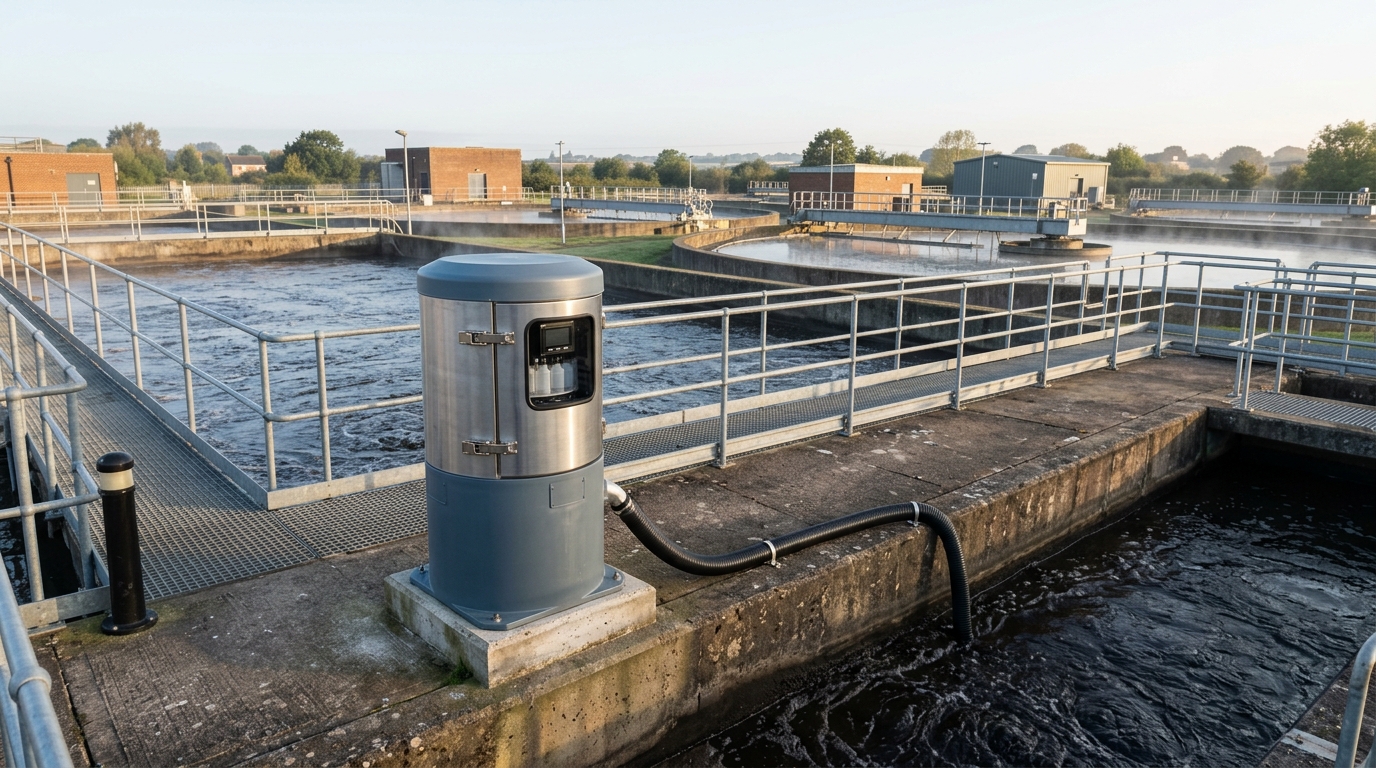
Between March 2023 and January 2024, the research team collected approximately 1-liter grab samples of untreated influent wastewater twice weekly from ten major sewage treatment plants (STPs) in Surat. This high-frequency sampling effort resulted in 945 collected samples, which were subsequently processed to identify SARS-CoV-2 viral RNA. Of the 945 samples, 368 tested positive for SARS-CoV-2, representing a 38.9% positivity rate. To ensure high-quality genomic data, samples with a cycle threshold (Ct) value below 30 were selected for whole-genome sequencing, resulting in the successful assembly of 51 high-quality wastewater consensus genomes. This dataset was then analyzed alongside a comprehensive clinical dataset comprising 1,814 SARS-CoV-2 genomes collected from the same region between March 2020 and January 2025. By aligning these two distinct data streams, the investigators aimed to quantify mutation concordance, calculate temporal lead times for variant detection, and identify recurrent genomic signatures.
The comparative analysis revealed substantial insight into the distinct but complementary nature of the two surveillance methods. The environmental dataset was primarily dominated by clades 23B and 24A, whereas the clinical cohort showed a higher prevalence of older lineages, specifically clades 21J and 21K. The study identified 953 mutations shared between the wastewater and clinical datasets, accounting for the majority of the variation observed in the environmental genomes. However, the analysis also uncovered 205 mutations that were exclusively detected in wastewater and absent from the selected clinical dataset. These exclusive variants highlight the potential of wastewater-based epidemiology to capture under-sampled transmission chains, asymptomatic infections, or prolonged shedding events that might otherwise remain hidden from clinical diagnostic networks. The distribution of these mutations varied across the viral genome, with higher sharing proportions observed in the structural Envelope, Membrane, and Spike genes, compared to the accessory or non-structural regions.
A critical outcome of the study was the identification of specific mutation signals that appeared in the wastewater months prior to their documentation in clinical sequencing. Fifteen distinct mutations were detected in wastewater before their first observation in the clinical sequence dataset, with lead times ranging from 21 to 187 days. Notably, the spike protein mutation S:I670V was detected in wastewater 187 days before appearing in any clinical genome from the region. Similarly, the ORF1a:F499L mutation was detected 145 days earlier in the environmental samples. These temporal differences suggest that wastewater can act as a leading indicator of emerging mutation profiles, provided that the clinical sequencing intensity remains below the threshold required to capture these low-frequency variants in individual patient samples. While these lead times are influenced by the intensity of regional clinical sequencing, they provide empirical evidence of the value of integrated surveillance strategies.
The longitudinal data also facilitated the identification of nine mutations that remained detectable in wastewater for approximately 147 days, from August 2023 to January 2024. These recurrently co-detected mutations—including ORF1a:F536V, ORF1a:A211D, ORF1a:N2526S, ORF1a:V3593F, S:V127F, S:E554K, S:A570V, S:P621S, and M:T30A—were repeatedly observed across 15 to 16 independent wastewater genomes. Because consensus sequences from mixed environmental samples cannot confirm that multiple mutations occur on the same viral genome, the authors note that these patterns do not necessarily represent a single coordinated haplotype or a novel variant. However, their prolonged, recurrent co-detection indicates a sustained presence of related viral populations within the catchment, warranting further investigation into whether these signatures reflect ongoing transmission or specific shedding dynamics that clinical networks fail to capture.
Lineage dynamics within the wastewater network further demonstrated the utility of the approach in tracking evolutionary shifts. Throughout the surveillance period, the catchment showed a transition in dominance from XBB.1.16 in the early months of 2023 to the JN.1.1.6 sublineage by January 2024. This longitudinal tracking of lineage replacement provided a clear picture of circulating variants within the sewer catchment, capturing shifts in viral composition without relying on hospital-based diagnostic sampling. The study highlights that by integrating viral contributions from broad population segments, environmental surveillance effectively mitigates the biases introduced by differential healthcare-seeking behavior, population density, and clinical testing availability, offering a more representative snapshot of community-level viral circulation than clinical genomes alone.
Despite these significant observations, the study identifies several methodological limitations, primarily related to the asymmetry between the two compared datasets. The clinical dataset was approximately 35 times larger than the wastewater dataset and spanned a significantly longer period. Consequently, while the detection of wastewater-exclusive mutations is a promising indicator of the method’s sensitivity, it cannot be definitively categorized as proof of early transmission without further verification through read-level analysis or haplotype-deconvolution. Additionally, the study relies on consensus-based variant calling, which is inherently limited in its ability to resolve low-frequency minority variants in complex wastewater mixtures. These technical challenges emphasize that environmental surveillance should be interpreted as a complementary asset to, rather than a replacement for, conventional clinical surveillance.
The interpretation of the observed differences in clade distribution and exclusive mutation detection must also account for technical factors. Variations in sequencing depth, amplicon coverage, and consensus-calling thresholds between pooled wastewater samples and individual clinical specimens can generate apparent differences in variant detection. The authors caution that clinical co-occurrence should not be assumed to validate every wastewater variant call, and that the observed discrepancies may reflect these technical nuances alongside genuine biological differences in the populations being sampled. The study explicitly distinguishes between these technical explanations and the intended public health application of the data, reinforcing the importance of rigorous bioinformatic pipelines to minimize consensus-calling artifacts.
To address these computational challenges, the researchers developed and utilized an automated, open-source bioinformatics pipeline specifically designed for cryptic variant detection and longitudinal environmental surveillance. This tool streamlines the complexities of variant calling, functional annotation, and mutation co-occurrence assessment, effectively lowering the barriers to rigorous and reproducible environmental genomics. By making this workflow available to the broader scientific community, the study provides a scalable model that is readily adaptable for monitoring other infectious agents, antimicrobial resistance markers, and metagenomic samples. The deployment of standardized, automated tools is presented as an essential step in transforming environmental genomics from a specialized research activity into a routine public health asset.
From a One Health perspective, the study highlights how the integration of environmental and clinical data provides a more comprehensive understanding of pathogen circulation, transmission dynamics, and evolutionary change than either system can achieve independently. While clinical surveillance remains indispensable for characterizing patient-level outcomes, environmental genomic surveillance offers a practical mechanism for detecting emerging threats at the population scale. The ability to monitor persistent genomic signatures and identify mutation signals in advance of clinical surges is particularly valuable for preparing for future infectious disease threats. The research team concludes that building resilient public health infrastructures requires such integrated surveillance networks to translate raw sequence data into actionable, near-real-time intelligence for disease preparedness and proactive response.
Subject of Research: SARS-CoV-2 wastewater genomic surveillance and lineage dynamics in an urban catchment in India.
Article Title: Longitudinal SARS-CoV-2 wastewater genomic surveillance in Surat, India: comparison with clinical genomes and detection of recurrent environmental mutations
Article References: Beladiya, U., Pandulkar, H., Vansia, A., Desai, J., Dudhagara, P., Beladiya, A., S., S., Sharma, P., Mevada, V., Joshi, M., Pandit, R., & Patel, R. (2026). Longitudinal SARS-CoV-2 wastewater genomic surveillance in Surat, India: comparison with clinical genomes and detection of recurrent environmental mutations. Frontiers in Tropical Diseases, 7, 1930646. https://doi.org/10.3389/fitd.2026.1930646
Image Credits: AI Generated
DOI: 10.3389/fitd.2026.1930646
Keywords: SARS-CoV-2, wastewater-based epidemiology, genomic surveillance, One Health, India, mutation profiling, cryptic variants, early-warning systems, pathogen evolution, lineage replacement, bioinformatics pipelines, longitudinal analysis, public health preparedness, community-level transmission, environmental genomics
News Source: Kristina Jarvis. (November 17, 2026). Wastewater Genomics Detects SARS-CoV-2 Mutations Months Before Clinical Identification. Scienmag.