• HOME
  • NEWS
  • EXPLORE
    • CAREER
      • Companies
      • Jobs
    • EVENTS
    • iGEM
      • News
      • Team
    • PHOTOS
    • VIDEO
    • WIKI
  • BLOG
  • COMMUNITY
    • FACEBOOK
    • INSTAGRAM
    • TWITTER
Tuesday, November 17, 2026
BIOENGINEER.ORG
No Result
View All Result
  • Login
  • HOME
  • NEWS
  • EXPLORE
    • CAREER
      • Companies
      • Jobs
        • Lecturer
        • PhD Studentship
        • Postdoc
        • Research Assistant
    • EVENTS
    • iGEM
      • News
      • Team
    • PHOTOS
    • VIDEO
    • WIKI
  • BLOG
  • COMMUNITY
    • FACEBOOK
    • INSTAGRAM
    • TWITTER
No Result
View All Result
Bioengineer.org
No Result
View All Result
Home NEWS Science News Biology

Biased Gene Conversion Drives Broad-Scale Variation Across Orangutan Genomes

by
November 17, 2026
in Biology
Reading Time: 2 mins read
0
Biased Gene Conversion Drives Broad-Scale Variation Across Orangutan Genomes

Biased Gene Conversion Drives Broad-Scale Variation Across Orangutan Genomes

Share on FacebookShare on TwitterShare on LinkedinShare on RedditShare on Telegram

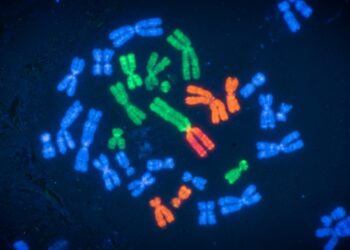
Biased gene conversion serves as a major determinant of broad-scale background variation in the orangutan genome, according to an investigation into the evolutionary mechanisms governing hominid chromosomal architecture. The genomic landscape of hominids varies greatly along individual chromosomes, prompting extensive discussion regarding the specific roles of fundamental population genetic forces such as mutation, selection, and recombination in shaping these broad patterns. In the newly reported study, investigators analyzed how these distinct processes interact to influence genomic composition across orangutan lineages.

To characterize these genomic patterns systematically, the researchers applied Hidden Markov Models to orangutan genomes segmented into 100-kilobase windows. This computational modeling framework allowed the team to identify specific genomic regions exhibiting comparable average proportions of guanine and cytosine bases alongside corresponding recombination rate profiles. By partitioning chromosomes into standardized windows, the investigators could measure localized base composition and evaluate how directional genetic forces operate across contiguous segments of the hominid genome.

Inference based on the single and joint allele frequency spectra of both Sumatran and Bornean orangutan species revealed an increasing directional force of GC-biased gene conversion in regions with higher average GC content. Furthermore, the analysis established that these genomic regions with elevated GC proportions and stronger gene conversion pressures are notably denser in functional coding regions. These same areas also demonstrated significantly elevated levels of gene expression across multiple tissue types in the examined orangutans.

Genomic regions characterized by differing recombination rates showed marked differences in polymorphism, yet these differences did not appear directly associated with GC-biased gene conversion. The researchers noted that the observed variations in polymorphism across differing recombination environments could be attributed either to a direct mutagenic effect of recombination or to the modulation of effective population size caused by varying strengths of linked selection operating along the chromosomes.

Together, these findings indicate that GC-biased gene conversion represents a primary driver establishing broad-scale background variation in orangutan genomes. In contrast, the broader influence of recombination across the chromosomal landscape remains less clear beyond the localized impact documented at recombination hotspots, highlighting distinct roles for gene conversion and recombination in hominid genome evolution.

Subject of Research: Genomic variation and GC-biased gene conversion in orangutans

Article Title: The influence of GC-biased gene conversion and recombination rates on the broad-scale patterns of the Pongo genome

Article References: Mikula, L. C., Bergman, J., Kosiol, C., & Vogl, C. (2026). The influence of GC-biased gene conversion and recombination rates on the broad-scale patterns of the Pongo genome. BMC Genomics. https://doi.org/10.1186/s12864-026-13440-0

Image Credits: AI Generated

DOI: 10.1186/s12864-026-13440-0

Keywords: GC-biased gene conversion, recombination rates, orangutan genomes, Pongo, Sumatran orangutan, Bornean orangutan, Hidden Markov Models, allele frequency spectra, GC content, functional coding regions, gene expression, polymorphism, linked selection, effective population size, recombination hotspots, hominid genomics, population genetics

News Source: Juliet Wilcox. (November 17, 2026). Biased Gene Conversion Drives Broad-Scale Variation Across Orangutan Genomes. Scienmag.


Tags: allele frequency spectraBornean orangutaneffective population sizefunctional coding regionsGC contentGC-biased gene conversiongene expressionHidden Markov Modelshominid genomicslinked selectionorangutan genomespolymorphismPongopopulation geneticsrecombination hotspotsrecombination ratesSumatran orangutan
Share12Tweet7Share2ShareShareShare1

Related Posts

Moroccan Alfalfa Seed Oils Reveal Marked Regional Diversity in Fatty Acids

Moroccan Alfalfa Seed Oils Reveal Marked Regional Diversity in Fatty Acids

November 17, 2026
Avian influenza transmission between southern elephant seal colonies is unlikely, study finds

Avian influenza transmission between southern elephant seal colonies is unlikely, study finds

November 17, 2026

De Novo Unbalanced X;14 Translocation Linked to Turner Syndrome Phenotype

November 17, 2026

Spinal DHEAS Induces Transient Convulsion-Like Behavior in Mice via Dual Calcium Pathways

November 17, 2026

POPULAR NEWS

  • De Novo Unbalanced X;14 Translocation Linked to Turner Syndrome Phenotype

    De Novo Unbalanced X;14 Translocation Linked to Turner Syndrome Phenotype

    29 shares
    Share 12 Tweet 7
  • Nepal Survey Finds Stable Drug-Resistant Tuberculosis Rates Alongside Rising Fluoroquinolone Resistance

    29 shares
    Share 12 Tweet 7
  • Systematic Review Finds No Clear Mortality Benefit Across Six Sepsis Treatments

    29 shares
    Share 12 Tweet 7
  • Surgical Internet of Medical Things Faces Cyber Threats Endangering Patient Safety

    29 shares
    Share 12 Tweet 7

About

We bring you the latest biotechnology news from best research centers and universities around the world. Check our website.

Follow us

Recent News

Clinical Task Involvement Linked to Higher Job Satisfaction Among Community Pharmacists

Gellan Gum and Hydrocolloids Control Anthocyanin Dissolution in Vegan Jelly Candies

Voronoi Density Influences Human Fibroblast Adhesion on Porous Titanium Implants

Subscribe to Blog via Email

Enter your email address to subscribe to this blog and receive notifications of new posts by email.

Join 88 other subscribers
  • Contact Us

Bioengineer.org © Copyright 2023 All Rights Reserved.

Welcome Back!

Login to your account below

Forgotten Password?

Retrieve your password

Please enter your username or email address to reset your password.

Log In
No Result
View All Result
  • Homepages
    • Home Page 1
    • Home Page 2
  • News
  • National
  • Business
  • Health
  • Lifestyle
  • Science

Bioengineer.org © Copyright 2023 All Rights Reserved.