• HOME
  • NEWS
  • EXPLORE
    • CAREER
      • Companies
      • Jobs
    • EVENTS
    • iGEM
      • News
      • Team
    • PHOTOS
    • VIDEO
    • WIKI
  • BLOG
  • COMMUNITY
    • FACEBOOK
    • INSTAGRAM
    • TWITTER
Monday, November 16, 2026
BIOENGINEER.ORG
No Result
View All Result
  • Login
  • HOME
  • NEWS
  • EXPLORE
    • CAREER
      • Companies
      • Jobs
        • Lecturer
        • PhD Studentship
        • Postdoc
        • Research Assistant
    • EVENTS
    • iGEM
      • News
      • Team
    • PHOTOS
    • VIDEO
    • WIKI
  • BLOG
  • COMMUNITY
    • FACEBOOK
    • INSTAGRAM
    • TWITTER
No Result
View All Result
Bioengineer.org
No Result
View All Result
Home NEWS Science News Agriculture

Dietary Patterns and Food Technologies May Complement Atopic Dermatitis Care

by
November 16, 2026
in Agriculture
Reading Time: 2 mins read
0
Dietary Patterns and Food Technologies May Complement Atopic Dermatitis Care

Dietary Patterns and Food Technologies May Complement Atopic Dermatitis Care

Share on FacebookShare on TwitterShare on LinkedinShare on RedditShare on Telegram

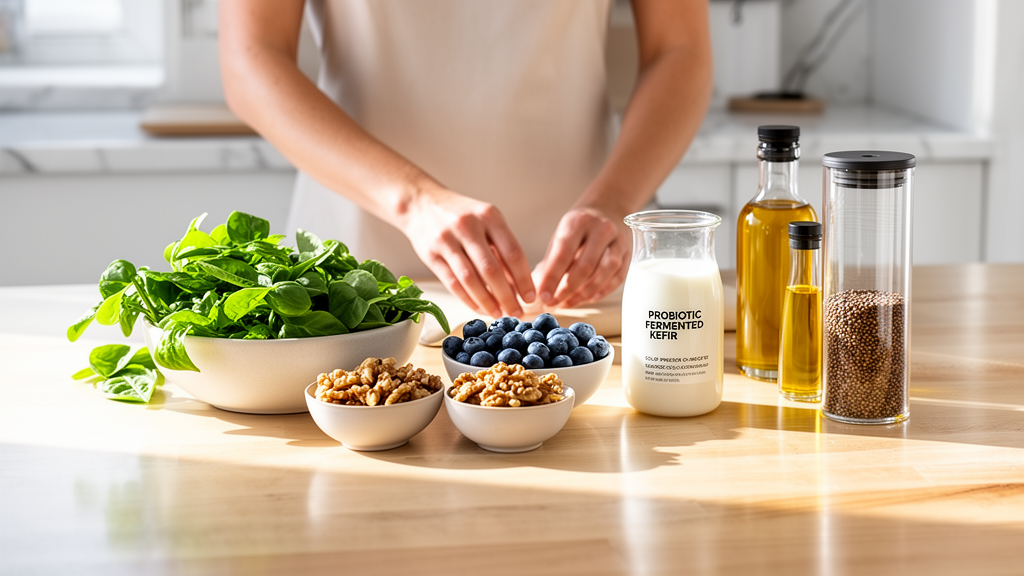
Dietary patterns may influence the progression of atopic dermatitis through immune modulation, skin barrier support, and inflammation regulation, according to a narrative review published in npj Science of Food. The publication examines current evidence connecting food science to disease management, focusing on emerging processing technologies and functional food innovation.

Atopic dermatitis is identified in the paper as a chronic inflammatory skin disorder that compromises both physical and mental health. The authors examine how nutritional approaches may help address these challenges, investigating biological mechanisms that connect dietary intake to immune response and skin barrier function.

As part of its assessment, the narrative review outlines specific nutrients and their potential roles in atopic dermatitis management. The authors specifically evaluate the contributions of polyunsaturated fatty acids, antioxidants, and prebiotics, noting how these components may participate in inflammation regulation and support skin health.

The review also focuses on the role of advanced food processing technologies in expanding dietary interventions. According to the authors, these emerging technologies may facilitate the development of tailored functional foods and enable allergen-reduced dietary strategies designed to assist individuals living with the chronic disorder.

Overall, the authors conclude that integrated dietary and nutritional interventions may potentially complement atopic dermatitis management. The narrative review synthesizes existing nutritional evidence and highlights functional food innovation, while noting that these technological and dietary strategies serve as complementary avenues in managing the condition.

Subject of Research: Dietary and food technology interventions for atopic dermatitis management

Article Title: Food science-driven atopic dermatitis management: from current evidence to emerging food technologies and functional food innovation

Article References: Xue, J., Xu, F., Chen, Y., Feng, J., Chen, N., Deng, D., Chen, C., Zhang, L., He, S., Ye, J., Lin, K., Wang, H., Qian, W., Li, M., Xu, J., & Shen, Q. (2026). Food science-driven atopic dermatitis management: from current evidence to emerging food technologies and functional food innovation. npj Science of Food. https://doi.org/10.1038/s41538-026-01216-5

Image Credits: AI Generated

DOI: 10.1038/s41538-026-01216-5

Keywords: atopic dermatitis, narrative review, dietary patterns, immune modulation, skin barrier support, inflammation regulation, polyunsaturated fatty acids, antioxidants, prebiotics, food processing technologies, functional foods, allergen-reduced diets, nutritional interventions, chronic inflammatory skin disorders, food science, npj Science of Food

News Source: Daisy Hatcher. (November 16, 2026). Dietary Patterns and Food Technologies May Complement Atopic Dermatitis Care. Scienmag.


Tags: allergen-reduced dietsAntioxidantsAtopic dermatitischronic inflammatory skin disordersdietary patternsfood processing technologiesFood sciencefunctional foodsImmune Modulationinflammation regulationNarrative reviewnpj Science of Foodnutritional interventionspolyunsaturated fatty acidsprebioticsskin barrier support
Share12Tweet7Share2ShareShareShare1

Related Posts

Review Assesses Sugarcane Bagasse Conversion into Gut-Supporting Prebiotic Xylooligosaccharides

Review Assesses Sugarcane Bagasse Conversion into Gut-Supporting Prebiotic Xylooligosaccharides

November 16, 2026
Biochar Weathering in Soil Alters Long-Term Carbon Storage and Contaminant Retention

Biochar Weathering in Soil Alters Long-Term Carbon Storage and Contaminant Retention

November 16, 2026

Targeted Mutation of CmSLM Produces Solid Placenta and Few Seeds in Melons

November 16, 2026

Indigenous Lactiplantibacillus Starter Enhances Fruity Aromas in Pickled Tea

November 16, 2026

POPULAR NEWS

  • Higher Serum Uric Acid Associated With Obesity in Children With Tonsillar Hypertrophy

    Higher Serum Uric Acid Associated With Obesity in Children With Adenoid and/or Tonsillar Hypertrophy

    29 shares
    Share 12 Tweet 7
  • Clonal Haematopoiesis Associated With Elevated Cardiovascular Risk in MASLD Cohort

    29 shares
    Share 12 Tweet 7
  • Resting-state Brain Age Links Neurodevelopmental Burden to Schizophrenia Severity

    29 shares
    Share 12 Tweet 7
  • Low Preoperative Nutritional Index Predicts ICU Admission After Orthopedic Surgery

    29 shares
    Share 12 Tweet 7

About

We bring you the latest biotechnology news from best research centers and universities around the world. Check our website.

Follow us

Recent News

Patients Report Positive Experiences With Asynchronous Primary Care Messaging Apps

Plasma Proteogenomic Study Identifies Potential Drug Targets for Sickle Cell Disease

ESMO Launches New Peer-Reviewed Journal Dedicated to Cancer Artificial Intelligence

Subscribe to Blog via Email

Enter your email address to subscribe to this blog and receive notifications of new posts by email.

Join 87 other subscribers
  • Contact Us

Bioengineer.org © Copyright 2023 All Rights Reserved.

Welcome Back!

Login to your account below

Forgotten Password?

Retrieve your password

Please enter your username or email address to reset your password.

Log In
No Result
View All Result
  • Homepages
    • Home Page 1
    • Home Page 2
  • News
  • National
  • Business
  • Health
  • Lifestyle
  • Science

Bioengineer.org © Copyright 2023 All Rights Reserved.