• HOME
  • NEWS
  • EXPLORE
    • CAREER
      • Companies
      • Jobs
    • EVENTS
    • iGEM
      • News
      • Team
    • PHOTOS
    • VIDEO
    • WIKI
  • BLOG
  • COMMUNITY
    • FACEBOOK
    • INSTAGRAM
    • TWITTER
Thursday, January 15, 2026
BIOENGINEER.ORG
No Result
View All Result
  • Login
  • HOME
  • NEWS
  • EXPLORE
    • CAREER
      • Companies
      • Jobs
        • Lecturer
        • PhD Studentship
        • Postdoc
        • Research Assistant
    • EVENTS
    • iGEM
      • News
      • Team
    • PHOTOS
    • VIDEO
    • WIKI
  • BLOG
  • COMMUNITY
    • FACEBOOK
    • INSTAGRAM
    • TWITTER
  • HOME
  • NEWS
  • EXPLORE
    • CAREER
      • Companies
      • Jobs
        • Lecturer
        • PhD Studentship
        • Postdoc
        • Research Assistant
    • EVENTS
    • iGEM
      • News
      • Team
    • PHOTOS
    • VIDEO
    • WIKI
  • BLOG
  • COMMUNITY
    • FACEBOOK
    • INSTAGRAM
    • TWITTER
No Result
View All Result
Bioengineer.org
No Result
View All Result
Home Headlines

How hooded seals are transferring contaminants to their pups

Bioengineer.org by Bioengineer.org
January 24, 2018
in Headlines, Health, Science News
Reading Time: 2 mins read
0
Share on FacebookShare on TwitterShare on LinkedinShare on RedditShare on Telegram
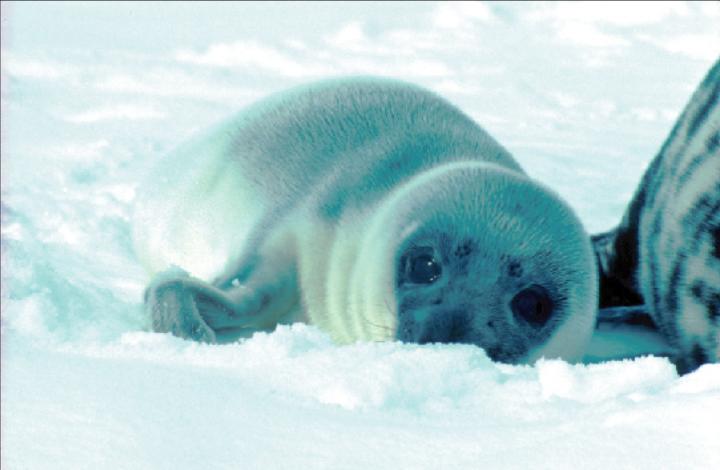
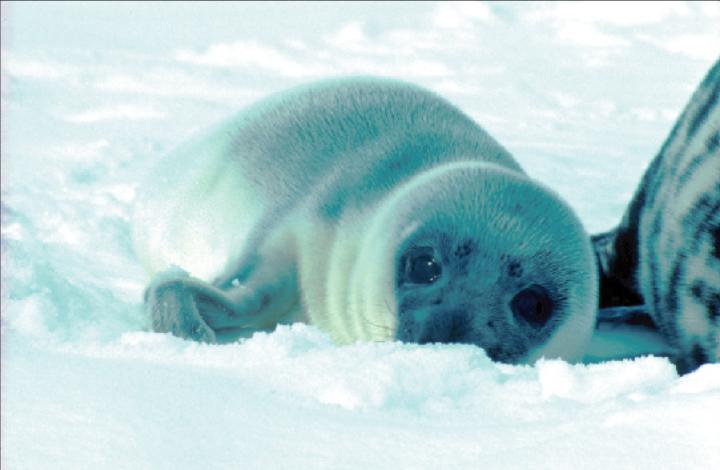
IMAGE

Credit: Kit Kovacs at the Norwegian Polar Institute

PENSACOLA, Fla. – Environmental contaminants such as perfluoroalkyl substances (PFASs) can be transferred from mother to offspring through the placenta and mother's milk, exposing the young mammal before and after birth. PFASs are a family of human-made chemicals, which have been used in a number of consumer products such as textiles, carpets, paper plates and food packaging because they repel grease, water and stains and are heat resistant. Since it was discovered that they pose a risk to wildlife and human health, some PFASs have been phased out of use, but they have not been universally banned. The Environmental Toxicology and Chemistry article, "Maternal Transfer of Perfluoroalkyl Substances in Hooded Seals" reports on the samples collected from lactating hooded seal mothers and their pups in West Ice, just east of Greenland.

Hooded seals are particularly vulnerable to PFASs exposure as marine predators – the concentration of persistent contaminants increases with each level on the food web. They were also particularly suited for this study because they only nurse for 3-4 days, and their pup does not feed on anything other than milk during this time. Additionally, hooded seal milk is extremely energy rich, with 60-70% lipids, and PFASs are amphiphilic, which means they tend to bind to proteins and lipids.

PFASs were found in both the plasma and milk of all tested seal mothers and pups. While the concentrations were within the range of levels analyzed in other seal species, and lower than toxicity thresholds for rodents, the developmental effects are still not fully understood in wildlife. Developmental effects of PFASs are associated with reduced birth weight, and the hooded seal is dependent on an intense weight gain for the 3-4 days of nursing in order to survive a long fasting period that follows. This, coupled with the fact that young mammals are more susceptible to toxic effects than adults, could prove detrimental to this species.

###

Media Contact

Jen Lynch
[email protected]
850-469-1500
@setac_world

http://www.setac.org

Share12Tweet7Share2ShareShareShare1

Related Posts

HOGE: Advancing Masked Face Recognition with Transfer Learning

HOGE: Advancing Masked Face Recognition with Transfer Learning

January 15, 2026

Mosaic Lateral Heterostructures Boost 2D Perovskites

January 15, 2026

New Genes and Factors Linked to Colorectal Cancer

January 15, 2026

Microbiota Drives T Cell Plasticity, Tumor Control

January 15, 2026
Please login to join discussion

POPULAR NEWS

  • Enhancing Spiritual Care Education in Nursing Programs

    155 shares
    Share 62 Tweet 39
  • PTSD, Depression, Anxiety in Childhood Cancer Survivors, Parents

    147 shares
    Share 59 Tweet 37
  • Robotic Ureteral Reconstruction: A Novel Approach

    75 shares
    Share 30 Tweet 19
  • Study Reveals Lipid Accumulation in ME/CFS Cells

    53 shares
    Share 21 Tweet 13

About

We bring you the latest biotechnology news from best research centers and universities around the world. Check our website.

Follow us

Recent News

HOGE: Advancing Masked Face Recognition with Transfer Learning

Mosaic Lateral Heterostructures Boost 2D Perovskites

New Genes and Factors Linked to Colorectal Cancer

Subscribe to Blog via Email

Enter your email address to subscribe to this blog and receive notifications of new posts by email.

Join 71 other subscribers
  • Contact Us

Bioengineer.org © Copyright 2023 All Rights Reserved.

Welcome Back!

Login to your account below

Forgotten Password?

Retrieve your password

Please enter your username or email address to reset your password.

Log In
No Result
View All Result
  • Homepages
    • Home Page 1
    • Home Page 2
  • News
  • National
  • Business
  • Health
  • Lifestyle
  • Science

Bioengineer.org © Copyright 2023 All Rights Reserved.