A province-wide retrospective study conducted across four allergy and immunology clinics in British Columbia has documented a consistent association between acquired angioedema and underlying hematologic disorders. Across the entire cohort, every patient was confirmed to have an underlying hematologic condition. Notably, for five of the eight individuals, the emergence of recurrent swelling episodes and the subsequent medical workup for acquired angioedema served as the initial clinical event that prompted formal hematologic evaluation.
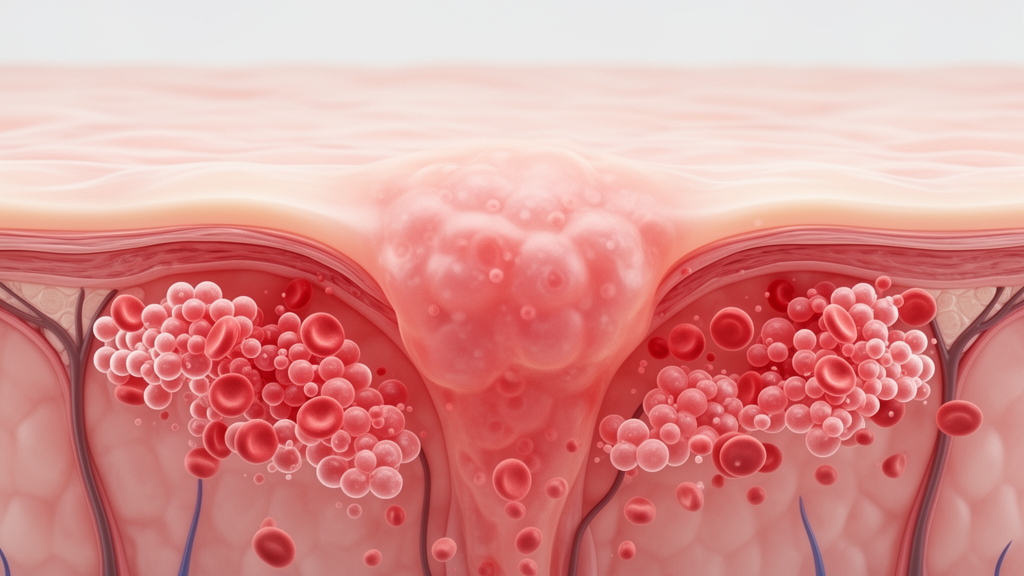
Acquired angioedema represents an uncommon clinical condition marked by recurrent episodes of bradykinin-mediated soft tissue edema. Medical understanding indicates that this pathology develops secondary to dysfunction of the C1-esterase inhibitor regulatory protein, occurring most frequently in direct association with a coexisting hematologic disorder.
To ensure precise case identification, the investigators applied standardized inclusion criteria across the participating clinical sites. Patients were enrolled only if they had received a formal clinical diagnosis of acquired angioedema, had no documented family history suggestive of hereditary angioedema, and exhibited a biochemical profile consistent with acquired disease. Specifically, laboratory confirmation required evidence of low functional activity of the C1-esterase inhibitor regulatory protein alongside low serum levels of complement component C4. Through retrospective medical record reviews, the authors systematically gathered information regarding each patient’s epidemiologic profile, potential inciting triggers, initial presenting symptoms, the frequency and severity of swelling attacks, and recorded responses to both acute interventions and long-term prophylactic therapies.
The demographic and diagnostic data showed that the median age of patients at the time of presentation or formal diagnosis was 59 years. In examining the anatomical distribution of swelling episodes, the study identified distinct patterns of involvement across the cohort. All eight patients experienced abdominal swells as part of their initial presenting symptoms. In addition to widespread gastrointestinal involvement, six of the eight patients experienced swelling in the facial, oropharyngeal, or upper airway regions.
The case series tracked the efficacy of acute therapeutic interventions administered to control active swelling episodes. Five of the eight patients received acute treatment with intravenous C1-esterase inhibitor replacement therapy, with four of those five individuals demonstrating documented clinical improvement. Furthermore, three patients received the acute targeted agent icatibant during attack episodes. All three individuals treated with icatibant experienced significant clinical improvement or complete resolution of their angioedema symptoms.
Patient responses to chronic prophylactic regimens were characterized as more heterogeneous across the cohort. Nevertheless, definitive management of the associated hematologic disease produced clear secondary benefits for angioedema control. Specifically, patients who received curative medical treatment targeting their underlying hematologic malignancy uniformly achieved complete or near-complete remission of their angioedema symptoms. Targeted maintenance therapies also proved effective in individual cases; one patient diagnosed with chronic lymphocytic leukemia achieved complete remission of acquired angioedema symptoms following preventative administration of lanadelumab. The clinical records further suggested that historical therapeutic options such as danazol and regular C1-esterase inhibitor replacement continue to show meaningful treatment effects, while newer agents such as icatibant and lanadelumab demonstrate excellent clinical responsiveness.
Given that abdominal swelling occurred in every patient in the cohort, the researchers proposed that acquired angioedema should be actively considered in the differential diagnosis when patients with suspected hematologic disorders develop new abdominal symptoms of unclear etiology.
Subject of Research: Clinical characteristics and hematologic associations of acquired angioedema
Article Title: Acquired angioedema in British Columbia: a province-wide collaborative case series
Article References: Cahill, J. A., Bansal, A., Jagdis, A., Kanani, A., Reeves, H., Weir, N., & Kan, M. (2026). Acquired angioedema in British Columbia: a province-wide collaborative case series. Allergy, Asthma & Clinical Immunology. https://doi.org/10.1186/s13223-026-01082-6
Image Credits: AI Generated
DOI: 10.1186/s13223-026-01082-6
Keywords: Acquired angioedema, C1-esterase inhibitor, Hematologic disorders, Bradykinin-mediated edema, Abdominal swelling, Upper airway swelling, Icatibant, Lanadelumab, Danazol, Chronic lymphocytic leukemia, Complement component C4, British Columbia, Case series, Allergy and immunology, Intravenous C1-INH replacement, Soft tissue edema, Hereditary angioedema
News Source: Ophelia Keating. (November 15, 2026). Acquired Angioedema Series Finds Universal Link to Underlying Hematologic Disorders. Scienmag.