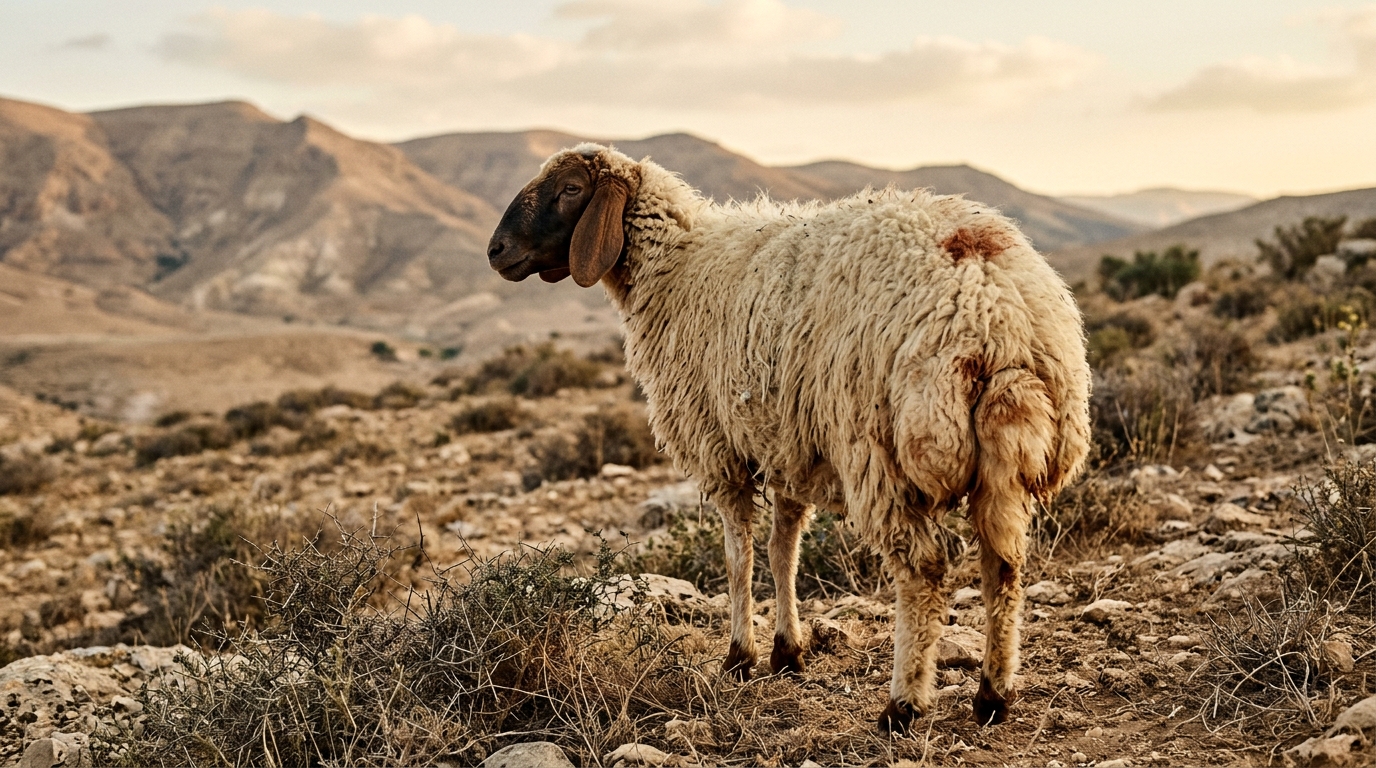
A genome-wide association study analyzing diverse Asian and African sheep breeds has identified 75 genomic regions significantly associated with fat deposition in the animals’ tails. Undertaken to address the major biological challenge of identifying genomic regions associated with key phenotypic traits in livestock, the study utilized genome-wide association analysis and gene set enrichment analysis to investigate the genetic basis of tail fat storage. By evaluating genomic variations between fat-tailed and thin-tailed populations from both continents, the research uncovered specific genomic regions, candidate genes, and biological pathways that influence how fat is deposited in sheep tails.
To conduct the investigation, the research team assembled and analyzed genomic data spanning 49,034 single nucleotide polymorphism markers obtained from 404 animal samples across multiple breeds. A rigorous quality control filtering process was applied to the initial dataset, which resulted in the retention of 44,913 single nucleotide polymorphisms and 400 animals for subsequent genomic evaluations. The final retained cohort consisted of 281 fat-tailed sheep and 119 thin-tailed sheep, representing a total of 13 fat-tailed breeds and 7 thin-tailed breeds. All evaluated breeds featured comparable tail morphologies classified according to established breed-level criteria.
The researchers applied complementary statistical and computational methodologies to evaluate population genetic structure and test for trait associations across the animal samples. Principal component analysis was implemented to assess how the individual animals clustered according to their respective breed classifications. For the association mapping itself, logistic regression models were employed to evaluate the genomic relationships and identify markers associated with the distinct tail phenotypes. Following the detection of candidate genomic regions, the researchers explored the genes reported within those locations and conducted gene set enrichment analysis to pinpoint the biological pathways and specific candidate genes associated with fat deposition.
The structural genetic analyses demonstrated consistent separation among the sampled livestock breeds based on their phenotypic tail morphology. The principal component analysis indicated that all 400 animals clustered according to their respective breed groups, revealing a clear distinction between thin-tailed and fat-tailed sheep breeds across different components. A subsequent K-means clustering analysis corroborated the findings established by the principal component analysis. Specifically, the application of the elbow method in the clustering evaluation determined that K = 2 represented the optimal number of genetic clusters, aligning with the fundamental division between thin-tailed and fat-tailed animals.
The genome-wide association analysis revealed 75 genomic regions that demonstrated statistically significant associations with fat depositions in the tail. The statistical strength of these associations was confirmed after applying a stringent Bonferroni correction at a threshold of P < 0.01 to the Genomic Control-adjusted P-values. This analytical adjustment ensured that the identified genomic regions met rigorous statistical criteria across the genome-wide testing framework, supporting the significance of the 75 identified loci in distinguishing the fat deposition characteristics of the studied sheep populations.
A detailed examination of the genes situated within the 75 identified genomic regions revealed multiple biological pathways and candidate genes associated with several vital physiological systems. The researchers detected pathways and candidate genes linked to lipid metabolism, specifically identifying ACSL3, CSF1R, and SOAT2. The analysis also uncovered pathways tied to skeletal development and tail morphology, pinpointing the candidate genes HOXC, PAX3, and PDGFRB. In addition, the identified regions contained candidate genes linked to the immune system, including TCF7 and interleukins, as well as the gene KITLG, which is associated with melanocyte regulation.
Among the candidate genes identified across these significant genomic regions, the study highlighted particular key genes that are directly connected to fat metabolism and tail morphology. In particular, the genes ACSL3 and SOAT2 were highlighted for their direct relationship with fat metabolism, while the genes HOXC and LIN28A were highlighted for their direct association with tail morphology. Furthermore, the gene set enrichment analysis identified major biological processes involved in these traits, specifically revealing the enrichment of processes governing long-chain fatty acid transport and skeletal system development.
Overall, the findings provide detailed insights into the genomic regions and biological pathways that differentiate thin-tailed and fat-tailed sheep breeds across Africa and Asia. By characterizing the genetic markers, candidate genes, and physiological pathways separating these two distinct tail types across both continents, the study enhances scientific understanding of the underlying molecular mechanisms driving the evolutionary adaptation of these livestock breeds to their respective native climates.
Subject of Research: Genomic regions and pathways associated with tail fat deposition in sheep breeds
Article Title: Genome wide association study for fat deposition in the tails of some Asian and African sheep breeds
Article References: Radpour, S., Moradi, M. H., Beigi-Nassiri, M. T., & Esmailizadeh, A. (2026). Genome wide association study for fat deposition in the tails of some Asian and African sheep breeds. BMC Veterinary Research. https://doi.org/10.1186/s12917-026-06108-0
Image Credits: AI Generated
DOI: 10.1186/s12917-026-06108-0
Keywords: genome-wide association study, sheep genetics, fat deposition, tail morphology, fat-tailed sheep, thin-tailed sheep, single nucleotide polymorphisms, ACSL3, SOAT2, HOXC, LIN28A, long-chain fatty acid transport, skeletal development, principal component analysis, gene set enrichment analysis, climatic adaptation
News Source: Juliet Wilcox. (November 14, 2026). Study Identifies 75 Genomic Regions Linked to Sheep Tail Fat Deposition. Scienmag.