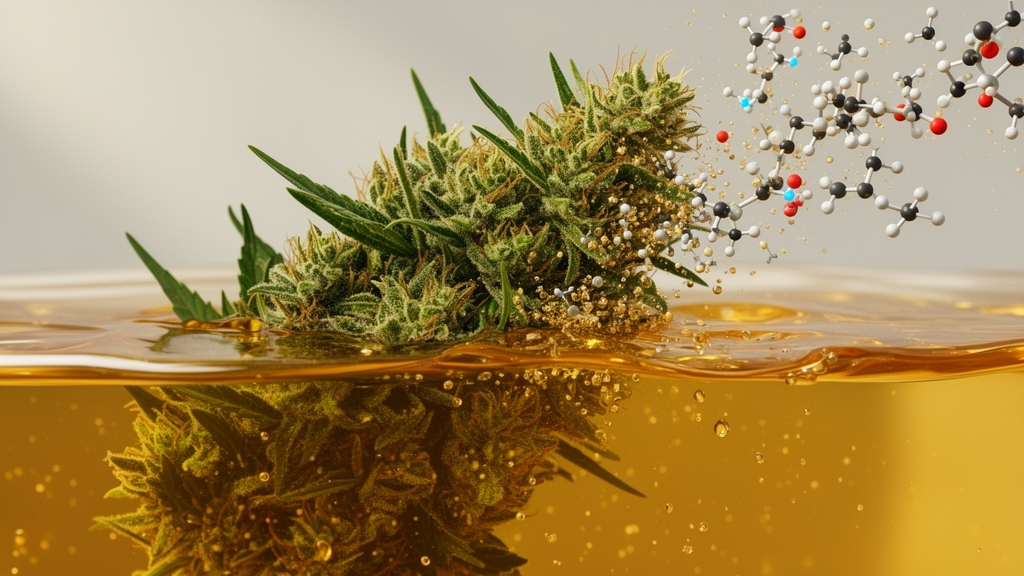
Increasing the ethanol concentration in beer directly impacts both cannabinoid extraction and volatile terpene flavor profiles during hemp-based dry-hopping, according to a newly published study. By systematically evaluating extraction kinetics across ethanol levels spanning from 0% to 9% by volume, the researchers determined that alcohol content significantly altered the specific groups of aromatic terpenes detected in the beverage as well as the resulting cannabinoid concentrations. Specifically, increasing ethanol from 0% to 9% by volume directly changed which terpene groups were detected in the beer and modified the total cannabinoid extraction. Although trace amounts of tetrahydrocannabinol were present in the tested beer, the overall cannabinoid concentrations remained consistently below established regulatory and physiological thresholds associated with health and safety effects.
The investigation addresses interest in industrial hemp as a functional substitute for traditional hops in beer flavoring. Industrial hemp and hops are close botanical relatives, and because of this relationship, the two plant species share aromatic compounds that contribute to the aroma and flavor of brewed beverages. In commercial brewing, dry-hopping functions as a cold solid-liquid extraction process that transfers hop compounds directly into beer. This cold extraction transfers volatile terpenes that provide desirable aromas and sensory properties to the finished beverage. However, hemp inflorescences also contain cannabinoids, which are frequently subject to strict legal restrictions or established regulatory limits in commercial foods and alcoholic beverages.
A fundamental reason for examining this process centers on the differing solubility behaviors of cannabinoids in aqueous and alcoholic solutions. Cannabinoids exhibit very low water solubility but have substantially greater ethanol solubility, meaning that the ethanol content of beer directly governs their extraction behavior. Because the extraction kinetics of cannabinoids during hemp-based dry-hopping had not previously been reported in brewing science, the researchers evaluated these kinetics across varying alcohol concentrations. By tracking the extraction process from 0% up to 9% ethanol by volume, the study demonstrated how ethanol levels dictate the transfer of both volatile terpene groups and cannabinoid compounds into beer.
The experimental results demonstrate that industrial hemp can successfully provide desirable beer aromas while maintaining consumer cannabinoid exposure safely below regulatory and physiological limits. These findings establish an important scientific foundation for the further evaluation of industrial hemp as a lawful food and beverage ingredient. Furthermore, because commercial food and beverage products face strict compliance standards regarding cannabinoid content, the documented extraction kinetics provide empirical data that may assist government regulators in assessing the lawful, compliant use of hemp inflorescences within commercial brewing practices.
Finally, the study authors emphasized that further research is necessary before hemp-based dry-hopping can be widely deployed across commercial production and storage settings. The researchers stated that future studies should examine consumer sensory acceptance, brewing process optimization, and long-term product stability over time. In addition, subsequent investigations must evaluate cannabinoid variability across different hemp cultivars and brewing conditions to understand how commercial production parameters and storage conditions influence cannabinoid extraction and volatile terpene retention.
Subject of Research: Impact of beer ethanol concentration on cannabinoid and terpene extraction during hemp dry-hopping
Article Title: Ethanol concentration impacts cannabinoid and flavor extraction in hemp-infused beer
Article References: Kawachika, K., Stapleton, D., Keene, S., Budner, D., Verma, S. K., Sharma, A., Zhang, M., Pearson, B. J., Begcy, K., MacIntosh, A. J., & Thompson-Witrick, K. A. (2026). Ethanol concentration impacts cannabinoid and flavor extraction in hemp-infused beer. npj Science of Food. https://doi.org/10.1038/s41538-026-01231-6
Image Credits: AI Generated
DOI: 10.1038/s41538-026-01231-6
Keywords: industrial hemp, hemp-infused beer, dry-hopping, ethanol concentration, cannabinoid extraction, volatile terpenes, flavor extraction, extraction kinetics, tetrahydrocannabinol, hop substitute, brewing science, inflorescences, water solubility, ethanol solubility, sensory properties, regulatory thresholds, physiological thresholds
News Source: Alan Morgan. (November 14, 2026). Increasing Beer Ethanol Content Alters Cannabinoid and Terpene Extraction from Hemp. Scienmag.