• HOME
  • NEWS
  • EXPLORE
    • CAREER
      • Companies
      • Jobs
    • EVENTS
    • iGEM
      • News
      • Team
    • PHOTOS
    • VIDEO
    • WIKI
  • BLOG
  • COMMUNITY
    • FACEBOOK
    • INSTAGRAM
    • TWITTER
Wednesday, April 1, 2026
BIOENGINEER.ORG
No Result
View All Result
  • Login
  • HOME
  • NEWS
  • EXPLORE
    • CAREER
      • Companies
      • Jobs
        • Lecturer
        • PhD Studentship
        • Postdoc
        • Research Assistant
    • EVENTS
    • iGEM
      • News
      • Team
    • PHOTOS
    • VIDEO
    • WIKI
  • BLOG
  • COMMUNITY
    • FACEBOOK
    • INSTAGRAM
    • TWITTER
  • HOME
  • NEWS
  • EXPLORE
    • CAREER
      • Companies
      • Jobs
        • Lecturer
        • PhD Studentship
        • Postdoc
        • Research Assistant
    • EVENTS
    • iGEM
      • News
      • Team
    • PHOTOS
    • VIDEO
    • WIKI
  • BLOG
  • COMMUNITY
    • FACEBOOK
    • INSTAGRAM
    • TWITTER
No Result
View All Result
Bioengineer.org
No Result
View All Result
Home NEWS Science News Biology

Septic shock patients have better outcomes when their heart rates are…

Bioengineer by Bioengineer
January 24, 2018
in Biology, Science News
Reading Time: 2 mins read
0
Share on FacebookShare on TwitterShare on LinkedinShare on RedditShare on Telegram
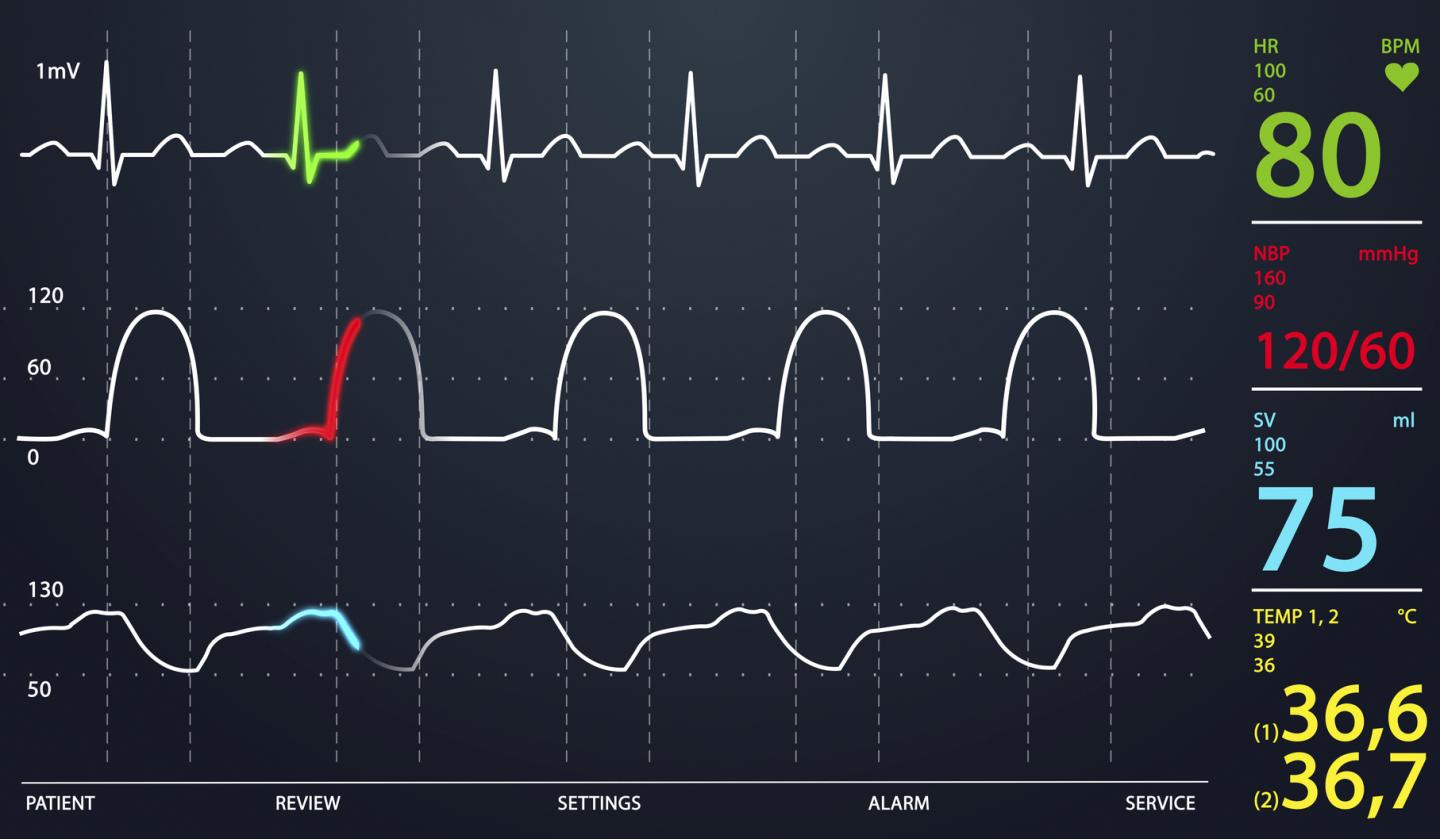
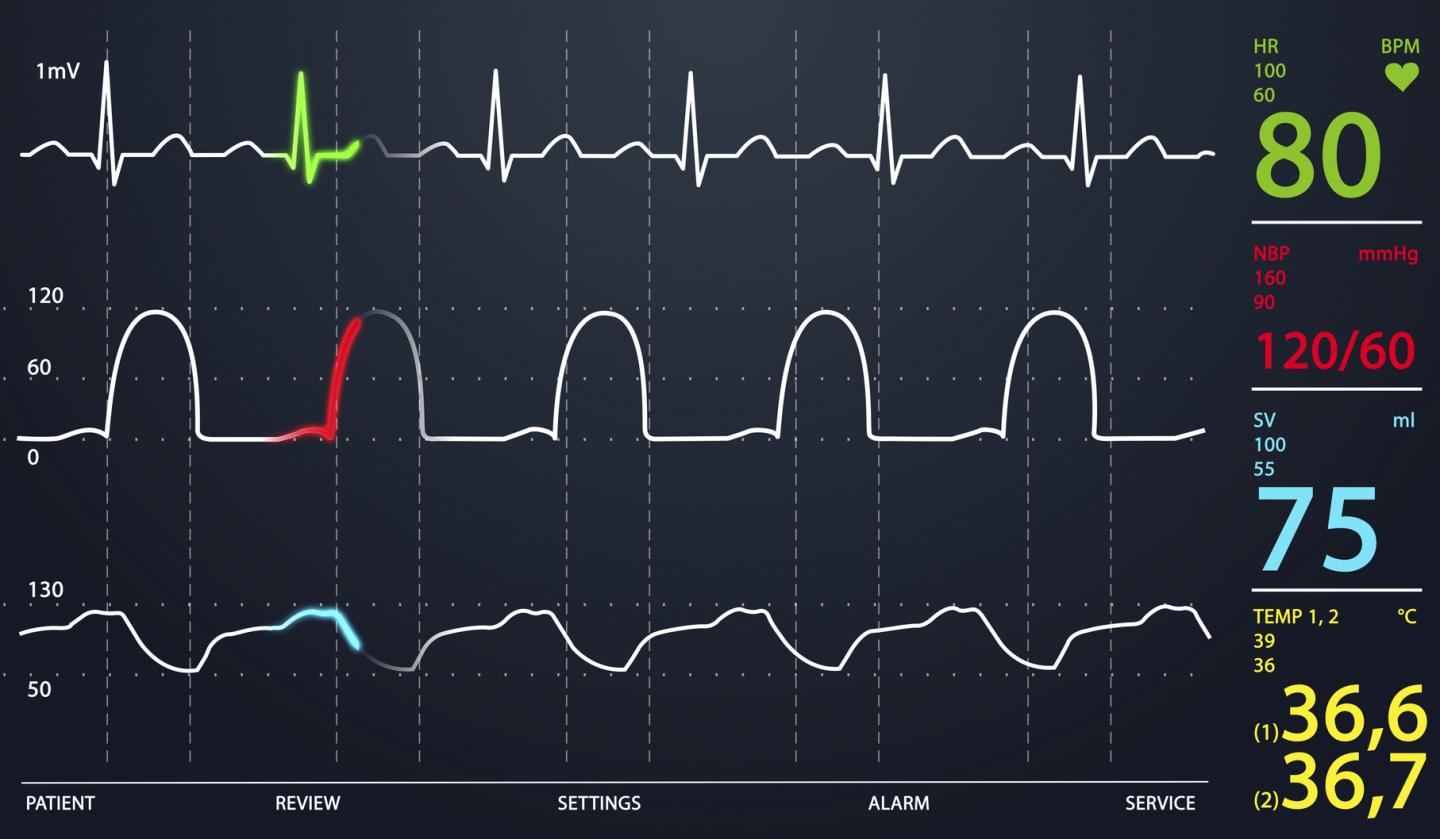
IMAGE

Credit: Intermountain Medical Center

Researchers at Intermountain Medical Center in Salt Lake City, along with researchers from four other centers, including Harvard Medical School, have found that patients with a lower heart rate who are in septic shock have a better chance of survival than those with an abnormally rapid heart rate.

"Three out of 10 patients who suffer from septic shock end up dying in the hospital," said Sarah Beesley, MD, a pulmonary and critical care medicine specialist at Intermountain Medical Center. "Any research-based interventions we can offer that improves the outcomes of these patients will help reduce their chances of mortality."

Results from the study are published in the October 2016 edition of Critical Care Medicine, a publication of the Society of Critical Care Medicine.

The research project, led by Intermountain Medical Center researchers, was a collaborative effort with the University of Utah School of Medicine, the University of Chicago, Beth Israel Deaconess Medical Center, and Harvard Medical School.

Sepsis occurs when an infection in the body disrupts normal operations of the organs and creates an exaggerated total-body response. The infection becomes so overwhelming the patient needs life support and antibiotics to survive. Rapid heart rate is common in patients in septic shock.

Researchers identified 1,554 patients who had been hospitalized with septic shock. Forty-four percent met the criteria for bradycardia, or a heart rate lower than 80 beats per minute, at some time during the course of treatment.

Twenty-eight days following discharge, patients from the bradycardia group had a mortality rate of 21 percent, while patients who never experienced bradycardia had a mortality rate of 34 percent.

Patients with an average lower heart rate below 80 beats per minute reduced their chances of dying from septic shock by 13 percent, according to the study.

Lower heart rates in the patients evaluated in this study occurred naturally, meaning nothing was administered to the patient that would slow down their heart rates. However, the study suggests future research is necessary to evaluate whether medical interventions that reduce the heart rate can help decrease the mortality of patients in septic shock.

"Our research adds to the body of literature on bradycardia and septic shock to improve outcomes of patients who are on life support," said Dr. Beesley. "It supports the concept of continuing down this vein of research and lays the groundwork for future research that improves patient outcomes."

###

Media Contact

Jess C. Gomez
[email protected]
801-718-8495
@IntermtnMedCtr

http://www.ihc.com
Share12Tweet8Share2ShareShareShare2

Related Posts

Unveiling the Biological Pathways Linking Pesticides to Cancer Risk: New Study Sheds Light on Environmental Health Impacts

April 1, 2026

Inequities in Family Engagement Within the NICU

April 1, 2026

FGFR2b Links to Biomarkers, Tumor Diversity, Survival

April 1, 2026

Frailty, Malnutrition Link Falls to Daily Functioning

April 1, 2026
Please login to join discussion

POPULAR NEWS

  • blank

    Revolutionary AI Model Enhances Precision in Detecting Food Contamination

    96 shares
    Share 38 Tweet 24
  • Imagine a Social Media Feed That Challenges Your Views Instead of Reinforcing Them

    1006 shares
    Share 398 Tweet 249
  • Promising Outcomes from First Clinical Trials of Gene Regulation in Epilepsy

    51 shares
    Share 20 Tweet 13
  • Popular Anti-Aging Compound Linked to Damage in Corpus Callosum, Study Finds

    43 shares
    Share 17 Tweet 11

About

We bring you the latest biotechnology news from best research centers and universities around the world. Check our website.

Follow us

Recent News

Unveiling the Biological Pathways Linking Pesticides to Cancer Risk: New Study Sheds Light on Environmental Health Impacts

Inequities in Family Engagement Within the NICU

FGFR2b Links to Biomarkers, Tumor Diversity, Survival

Subscribe to Blog via Email

Success! An email was just sent to confirm your subscription. Please find the email now and click 'Confirm' to start subscribing.

Join 78 other subscribers
  • Contact Us

Bioengineer.org © Copyright 2023 All Rights Reserved.

Welcome Back!

Login to your account below

Forgotten Password?

Retrieve your password

Please enter your username or email address to reset your password.

Log In
No Result
View All Result
  • Homepages
    • Home Page 1
    • Home Page 2
  • News
  • National
  • Business
  • Health
  • Lifestyle
  • Science

Bioengineer.org © Copyright 2023 All Rights Reserved.