Discover Imaging has officially launched as a fully open access journal within the Discover series, establishing a dedicated publishing platform for imaging research across a broad spectrum of scientific fields. The journal aims to serve as an open access home for peer-reviewed studies spanning science, technology, and medicine, providing an accessible resource for academic researchers, healthcare professionals, and policymakers. Advancements in biological and medical disciplines have historically correlated with computational progression and the corresponding evolution of imaging tools available to investigators.
The trajectory of imaging science reflects human efforts to observe the natural world, progressing from seventeenth-century analog observations by Robert Hooke to modern digital technologies. Contemporary imaging systems now provide detailed observational insights into complex processes occurring within cells and intact organisms across multiple spatial and temporal dimensions. These technological capabilities operate across microscopic, mesoscopic, and macroscopic levels, allowing researchers to evaluate structural and functional phenomena at diverse analytical scales.
As contemporary imaging devices generate increasing volumes of complex data, research workflows increasingly require robust analytical frameworks to achieve reliable quantification. Discover Imaging highlights the necessity of both traditional non-artificial intelligence frameworks and artificial intelligence-driven methodologies to process and evaluate this influx of observational data. The continuous integration of computational analysis with imaging acquisition propels the evolution of imaging methodologies, enhancing their analytical utility and broadening their implementation across scientific domains.
The journal’s publication scope encompasses core fundamental imaging modalities alongside specialized advanced techniques. Foundational methods represented within the journal include magnetic resonance imaging, computed tomography, positron emission tomography, ultrasound, radiography, optical imaging, and electron microscopy. Submissions also extend to advanced imaging modalities such as functional magnetic resonance imaging, diffusion-weighted imaging, molecular imaging, thermal imaging, spectroscopy, and fluorescence microscopy.
Methodological research in image analysis and computation represents a key focal area for the journal. The scope covers fundamental image processing tasks including image reconstruction, image segmentation, and image classification, as well as quantitative imaging analysis. Furthermore, the journal features investigations into machine learning, artificial intelligence architectures, radiomics, and high-throughput feature extraction designed to interpret multifaceted imaging datasets across various experimental and observational settings.
Clinical and translational research forms an integral component of the journal’s focus, covering diagnostic imaging, interventional radiology, and imaging applications in surgical procedures and targeted therapy. Content spans pediatric and geriatric considerations, preclinical investigations, and animal model imaging. Anatomical and disease-specific domains highlighted in the journal include neuroimaging, cardiovascular imaging, and imaging protocols evaluating infectious diseases and inflammatory conditions.
Beyond traditional laboratory and clinical environments, Discover Imaging incorporates future technological innovations and non-biomedical imaging disciplines. Topics include point-of-care imaging, remote diagnostics, telemedicine, augmented reality, virtual reality, and wearable imaging instrumentation. The journal also considers research applying imaging methodologies to external scientific fields, including geophysical imaging, forensic analysis, and astronomical imaging, alongside commitments to open research and the United Nations Sustainable Development Goals.
The inaugural editorial, published on July 19, 2024, in the first volume of Discover Imaging by authors Ferran Prados Carrasco, Claudio Vinegoni, and Ayesha Eduljee, outlines the administrative and community architecture established to guide the publication. The journal’s editorial board brings together active investigators with diverse proficiencies that mirror the overarching breadth of the journal’s subject scope. Board members fulfill central operational duties by managing submitted manuscripts through the evaluation process, promoting the publication across their institutional and professional networks, and nominating specialized themes for targeted exploration. Additionally, board members are tasked with organizing and guest-editing focused Topical Collections, while the journal conducts active recruitment to attract new members capable of steering its future development and strategic trajectory.
To accommodate the varying reporting needs of the global imaging community, the journal accepts several distinct article categories beyond traditional full-length original research papers. These include brief communications intended to report concise findings, comprehensive review articles synthesizing current scientific literature, perspective articles presenting informed commentary on field developments, and case studies detailing focused clinical or technical observations. The editorial outlines that each submission type is governed by detailed criteria regarding manuscript preparation, layout formatting, acceptable text length, and formal submission workflows. Parallel to standard open submissions, the editorial framework features curated Topical Collections that center on specific high-priority topics, allowing guest editors to assemble thematic groupings of papers addressing pressing issues across all sectors of imaging methodology and practice.
Central to the founding philosophy of Discover Imaging is an institutional commitment to open research, inclusivity, and broad accessibility across the scientific enterprise. The editorial team frames open research as an essential mechanism for fostering cross-disciplinary collaboration and accelerating the transparent dissemination of scientific advances worldwide. By deliberately constructing an inclusive and diverse publication forum, the journal seeks to bring together research contributions from investigators representing all geographic regions, personal backgrounds, and specialized areas of expertise. This mission includes an explicit commitment to sustainable development, with the editorial explicitly encouraging submissions that directly address the United Nations Sustainable Development Goals. Through this open and integrated platform, the editorial leadership aims to establish the journal as a trusted, enduring resource serving academic investigators, clinical healthcare professionals, active researchers, and policymakers across all fields of imaging research.
Subject of Research: Launch and multidisciplinary scope of the open access journal Discover Imaging
Article Title: Inaugural Editorial for Discover Imaging
Article References: Prados Carrasco, F., Vinegoni, C., & Eduljee, A. (2024). Inaugural Editorial for Discover Imaging. Discover Imaging, 1(1), Article 1. https://doi.org/10.1007/s44352-024-00002-x
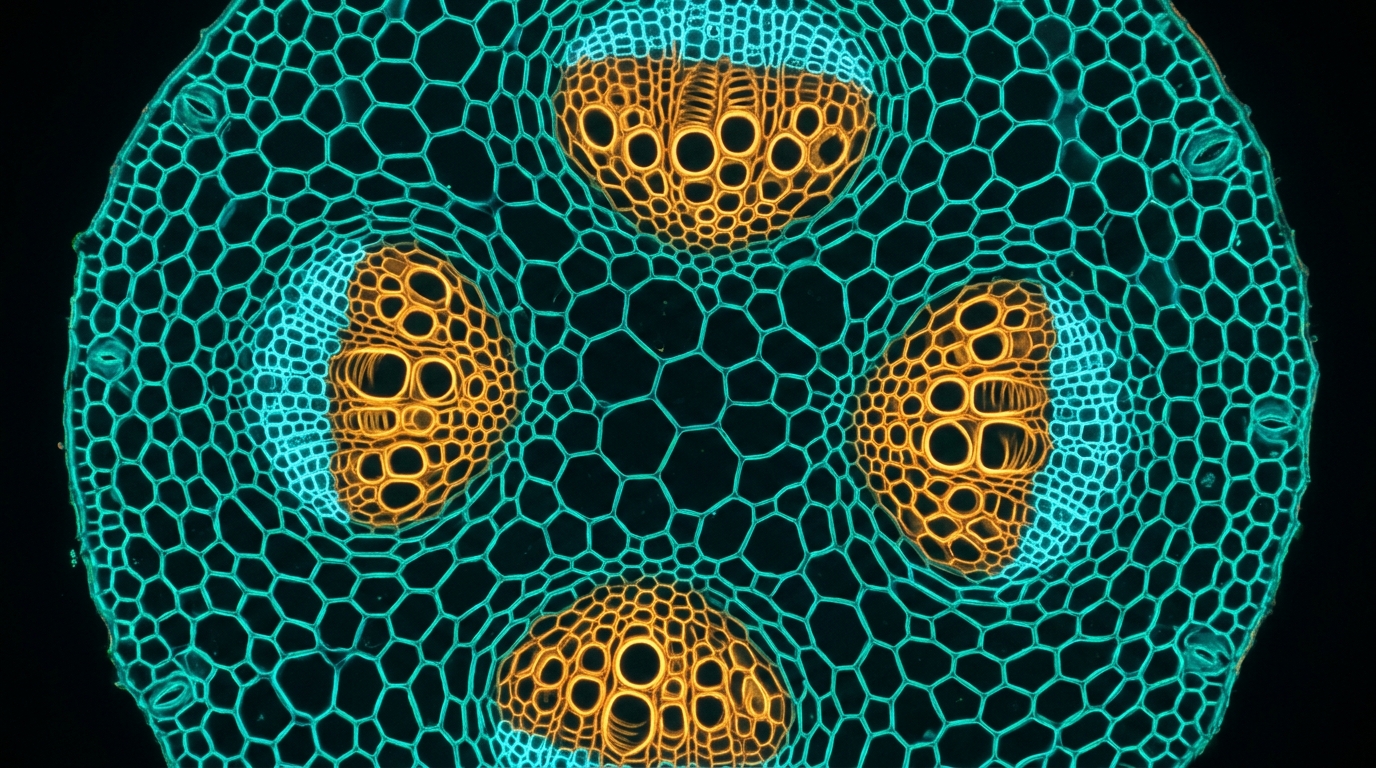
Image Credits: AI Generated
DOI: 10.1007/s44352-024-00002-x
Keywords: Discover Imaging, open access publishing, magnetic resonance imaging, computed tomography, positron emission tomography, optical imaging, electron microscopy, functional MRI, diffusion-weighted imaging, molecular imaging, image segmentation, machine learning in imaging, radiomics, interventional radiology, neuroimaging, cardiovascular imaging, point-of-care imaging, telemedicine
News Source: Colin Clarke. (November 13, 2026). Discover Imaging Launches Open Access Platform Covering Multidisciplinary Imaging Methodologies. Scienmag.