• HOME
  • NEWS
  • EXPLORE
    • CAREER
      • Companies
      • Jobs
    • EVENTS
    • iGEM
      • News
      • Team
    • PHOTOS
    • VIDEO
    • WIKI
  • BLOG
  • COMMUNITY
    • FACEBOOK
    • INSTAGRAM
    • TWITTER
Thursday, November 19, 2026
BIOENGINEER.ORG
No Result
View All Result
  • Login
  • HOME
  • NEWS
  • EXPLORE
    • CAREER
      • Companies
      • Jobs
        • Lecturer
        • PhD Studentship
        • Postdoc
        • Research Assistant
    • EVENTS
    • iGEM
      • News
      • Team
    • PHOTOS
    • VIDEO
    • WIKI
  • BLOG
  • COMMUNITY
    • FACEBOOK
    • INSTAGRAM
    • TWITTER
No Result
View All Result
Bioengineer.org
No Result
View All Result
Home NEWS Science News Technology

Bee-Produced Polyester Mimicking Polyethylene Degrades Rapidly in Soil, Study Finds

by
November 13, 2026
in Technology
Reading Time: 2 mins read
0
Bee-Produced Polyester Mimicking Polyethylene Degrades Rapidly in Soil, Study Finds

Bee-Produced Polyester Mimicking Polyethylene Degrades Rapidly in Soil, Study Finds

Share on FacebookShare on TwitterShare on LinkedinShare on RedditShare on Telegram

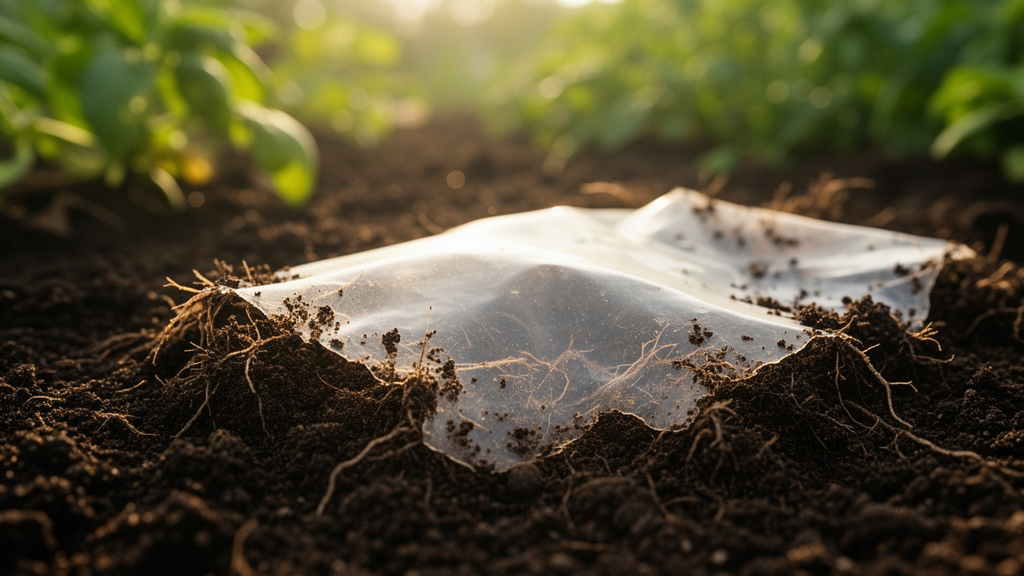
A natural polyester produced by ground-dwelling bees to line their underground nests biodegrades rapidly in soil under normal environmental conditions, according to a study published in the Proceedings of the National Academy of Sciences by researchers at Virginia Tech and the University of Tennessee. In soil degradation tests, the polyester content in samples decreased from 73 percent to 40 percent over four months.

The material is produced by Colletes inaequalis, a solitary ground-dwelling species commonly known as the cellophane bee that nests without building hives or forming swarms. The researchers found that the protective substance the insect creates to line its nest is a natural polyester that closely mimics polyethylene, a polymer widely used in single-use packaging.

Conventional polyethylene accounts for roughly one-third of the world’s annual plastic production, totaling nearly 160 million tons, and can persist in the environment for centuries while breaking down into microplastics that leach into groundwater and ecosystems. Additionally, many plastics currently marketed as biodegradable break down slowly or require specific industrial conditions to decompose.

Lead author Jonathan Coote, an assistant professor in the Department of Sustainable Biomaterials in the College of Natural Resources and Environment at Virginia Tech, noted that the substance could offer a sustainable alternative to the ecological issues associated with continued polyethylene manufacturing. Because the bee-derived polyester degrades under normal environmental conditions, identifying its characteristics could aid in developing durable, less persistent materials.

The research is the outcome of a multi-year collaboration with Laura Russo, an associate professor of ecology and evolutionary biology at the University of Tennessee. Russo originally shared the nesting material with Coote when he was a doctoral student at Tennessee, after which Coote examined the polymer during postdoctoral work at the University of Minnesota before focusing his laboratory’s research on bee-derived plastics after joining the Virginia Tech faculty in 2025.

Researchers are currently working to determine the chemical structure of the bee’s natural polyester that enables rapid soil degradation. The ultimate goal is to engineer the material for industrial manufacturing at scale rather than relying on bees to produce commercial plastic products.

Subject of Research: Soil biodegradation of natural polyethylene-like polyester produced by Colletes bees

Article Title: Natural plastic made by bees shown to biodegrade in months, not centuries.

Article References: Natural plastic made by bees shown to biodegrade in months, not centuries.. Original publication (Bibliographic details unavailable.)

Image Credits: AI Generated

DOI: Not provided

Keywords: biodegradable plastics, polyester, polyethylene, Colletes inaequalis, soil degradation, sustainable biomaterials, Virginia Tech, University of Tennessee, Natural, plastic, made, bees

News Source: Denise Maddox. (November 13, 2026). Bee-Produced Polyester Mimicking Polyethylene Degrades Rapidly in Soil, Study Finds. Scienmag.

Tags: beesbiodegradable plasticsColletes inaequalismadenaturalplasticpolyesterpolyethylenesoil degradationsustainable biomaterialsUniversity of TennesseeVirginia Tech
Share12Tweet7Share2ShareShareShare1

Related Posts

FinTech Expansion Drives Higher Audit Fees in Chinese Non-Financial Listed Firms

FinTech Expansion Drives Higher Audit Fees in Chinese Non-Financial Listed Firms

November 19, 2026
Controlled Precursor Transformation Yields High-Performance LiFePO4 Cathodes

Controlled Precursor Transformation Yields High-Performance LiFePO4 Cathodes

November 19, 2026

Simulated lead-free double perovskite solar cell reaches 33.55 percent efficiency

November 19, 2026

Coal Gangue Replacement Up to Thirty Percent Optimizes Geopolymer Pervious Concrete

November 19, 2026

POPULAR NEWS

  • Municipal Leaders Rely on Tech Champions Lacking Training and Compensation

    Municipal Leaders Rely on Tech Champions Lacking Training and Compensation

    29 shares
    Share 12 Tweet 7
  • Virtual Reality Cognitive Games Show Preliminary Promise for Stroke Recovery Outcomes

    29 shares
    Share 12 Tweet 7
  • Alzheimer’s Risk Gene SORL1 Deficiency Impairs Mitochondrial Function in Human Microglia

    29 shares
    Share 12 Tweet 7
  • Optimized Streptozotocin Delivery Regimen Improves Sporadic Alzheimer’s Disease Modeling in Rodents

    29 shares
    Share 12 Tweet 7

About

We bring you the latest biotechnology news from best research centers and universities around the world. Check our website.

Follow us

Recent News

Systematic Variant Reclassification Reduces Uncertain Immune Disorder Diagnoses in Emirati Cohort

Patient Perspective Urges Stronger European Reference Network Integration and Care Continuity

Lycopene Protects Kidney Cells Against Plasticizer Damage by Restraining Excessive Lysophagy

Subscribe to Blog via Email

Enter your email address to subscribe to this blog and receive notifications of new posts by email.

Join 88 other subscribers
  • Contact Us

Bioengineer.org © Copyright 2023 All Rights Reserved.

Welcome Back!

Login to your account below

Forgotten Password?

Retrieve your password

Please enter your username or email address to reset your password.

Log In
No Result
View All Result
  • Homepages
    • Home Page 1
    • Home Page 2
  • News
  • National
  • Business
  • Health
  • Lifestyle
  • Science

Bioengineer.org © Copyright 2023 All Rights Reserved.