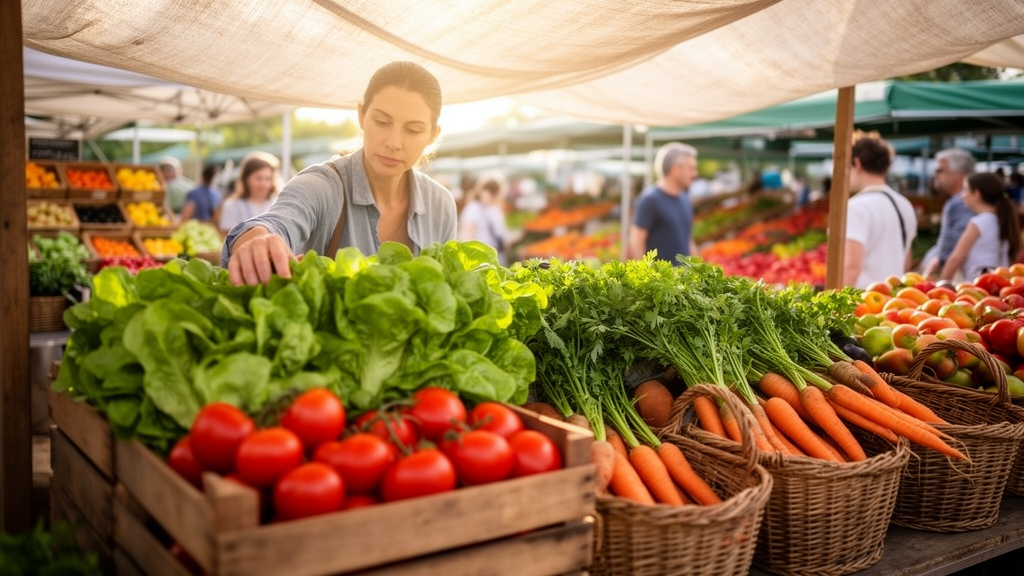
Participants in Rhode Island’s Eat Well, Be Well program found the statewide retail initiative highly acceptable and reported that it expanded their purchasing power while improving their dietary quality, according to a qualitative study published in BMC Public Health. The investigation evaluated the lived experiences of Supplemental Nutrition Assistance Program recipients participating in what researchers identified as the first statewide, publicly administered retail incentive program in the United States. Participants reported that the automatic point-of-sale design made the incentive straightforward to use during retail grocery transactions, directly easing the financial burden associated with purchasing fresh produce. While the program successfully facilitated produce access for many shoppers, participants also highlighted structural barriers such as geographic distance to participating retailers, lack of program awareness, and an inadequate monthly incentive cap for larger families.
The research emerged against a broader national backdrop of nutritional hardship, where food insecurity currently affects 13.7 percent of households across the United States and remains closely linked to diet-related chronic disease. Although the federal Supplemental Nutrition Assistance Program provides critical nutritional assistance to more than 41 million Americans nationwide, standard benefit levels are often insufficient to allow beneficiaries to purchase enough fruits and vegetables to satisfy recommended dietary guidelines. To help address this persistent disparity in access to nutritious food, the state of Rhode Island launched the Eat Well, Be Well initiative in January 2024. Designed as a statewide, publicly administered pilot, the program provides beneficiaries with an automatic reimbursement of 50 cents for every dollar spent on fresh fruits and vegetables when shopping at participating grocery stores.
To capture the lived experiences and perceptions of individuals utilizing the incentive, researchers conducted seven focus groups between February and March 2025. The study team used purposeful sampling to recruit 37 eligible participants who had actively shopped with SNAP benefits since the program’s inception in January 2024 at one of two participating grocery retailers. The focus group discussions were structured to examine multiple dimensions of the intervention, specifically focusing on overall program acceptability, personal shopping experiences, and the perceived impact of the financial incentive on household produce purchasing and dietary consumption. In addition to reflecting on their direct experiences with the point-of-sale discount, participants were invited to provide concrete recommendations for refining and improving the initiative.
The demographic characteristics of the 37 focus group participants reflected long-term engagement with federal food assistance programs as well as substantial economic vulnerability. The mean age of the participants was 51 years, with women representing 65 percent of the sample and Hispanic individuals accounting for 24 percent of the cohort. Furthermore, 62 percent of the participating individuals reported that they had been receiving SNAP benefits for more than five years. During the qualitative discussions, participants emphasized that fresh produce was prohibitively expensive in the absence of financial incentives, making it difficult to maintain adequate fruit and vegetable intake within their standard household budgets.
In evaluating the mechanical and practical operation of the program, participants reported that Eat Well, Be Well achieved high acceptability across the cohort. Most participants indicated that receiving a 50-cent reimbursement per dollar spent effectively expanded their overall purchasing power at the supermarket. By lowering the net out-of-pocket cost of fresh fruits and vegetables, the incentive structure enabled participants to buy higher volumes of fresh produce, leading most participants to report observable improvements in the overall dietary quality of their meals.
Despite the positive outcomes reported by regular users, the focus groups revealed critical implementation barriers that restricted participation and equitable access. Some participants reported that they were entirely unaware of the incentive program prior to the study, pointing to a deficiency in initial public outreach. Other participants explained that they were unable to utilize the program because of severe transportation barriers, as the pilot was restricted to only two participating grocery retailers across the state. Furthermore, many participants noted that the existing monthly program cap of $25 in reimbursements was insufficient to support the dietary and nutritional requirements of larger households, leaving them with unaddressed nutritional needs once the cap was reached.
To address these identified shortcomings, focus group participants put forward several actionable recommendations for program enhancement. They suggested expanding the retail network to include additional store locations, which would mitigate transportation hurdles, while also enhancing targeted marketing and communication efforts to raise broader public awareness about the incentive. In addition, participants recommended increasing the $25 monthly incentive cap and expanding eligible food items to include frozen and canned produce alongside fresh varieties. The authors concluded that Rhode Island’s publicly administered retail pilot demonstrates high acceptability and effectively improves produce access and purchasing power, offering valuable empirical insights that can inform federal policy initiatives designed to elevate dietary quality for SNAP recipients across the nation.
Subject of Research: Qualitative evaluation of Rhode Island's Eat Well, Be Well retail SNAP incentive program
Article Title: Participant Experiences and Recommendations for Improving Eat Well, Be Well, Rhode Island’s Statewide Retail SNAP Incentive Program: a Qualitative Study
Article References: Malyuta, Y., Wolfson, T., Erbe, A. M., Sadonis, C., Karpyn, A., Rummo, P., Velasco, A., & Nunn, A. S. (2026). Participant Experiences and Recommendations for Improving Eat Well, Be Well, Rhode Island’s Statewide Retail SNAP Incentive Program: a Qualitative Study. BMC Public Health. https://doi.org/10.1186/s12889-026-30136-y
Image Credits: AI Generated
DOI: 10.1186/s12889-026-30136-y
Keywords: SNAP, food insecurity, nutrition incentives, public health, Rhode Island, dietary quality, retail incentives, qualitative research, Participant, Experiences, Recommendations, Improving
News Source: Daisy Hatcher. (November 11, 2026). Rhode Island SNAP Incentive Expands Fresh Produce Access, Study Finds. Scienmag.