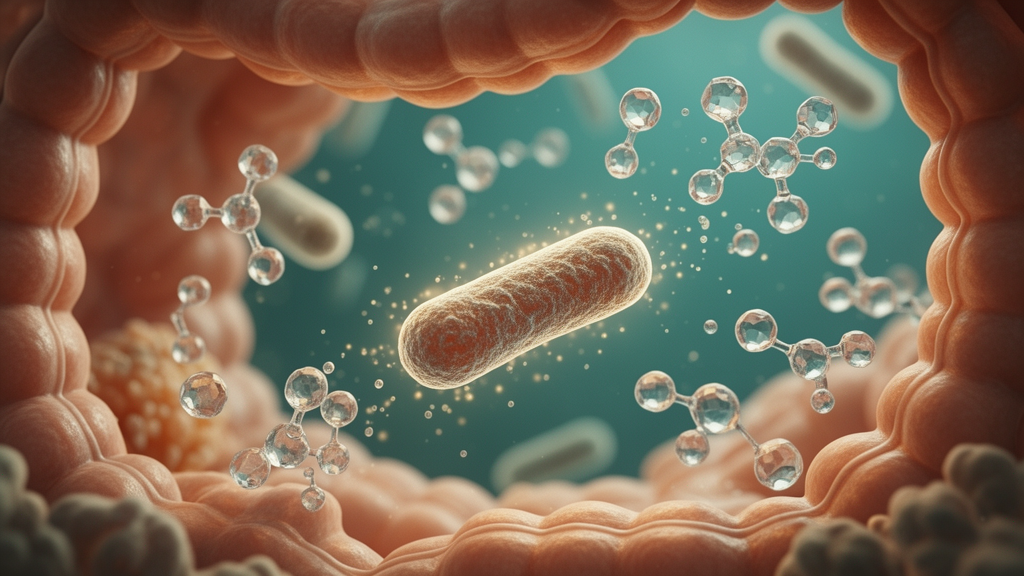
Researchers analyzing a Danish cohort of patients with Clostridioides difficile infection (CDI) have identified specific donor microbiota and bile acid profiles that correlate with the efficacy of faecal microbiota transplantation (FMT). Published in BMC Microbiology, the study demonstrates that the composition of the donor’s microbiome, particularly the abundance of Clostridia and Clostridiales, is linked to higher treatment success rates. The findings suggest that predictive modeling based on these biological markers could improve the selection of FMT donors, potentially enhancing the consistency of this therapeutic intervention for hospital-acquired infections.
CDI remains a significant cause of hospital-acquired infections, and while FMT is recognized as a safe and effective treatment to prevent recurrence, its efficiency has historically varied based on patient and donor characteristics. To investigate how these variables influence outcomes, the research team analyzed data from a cohort where faecal samples were collected from 47 donors and 102 patients with CDI. Samples were taken from patients before FMT, and at one and eight weeks after the procedure, allowing for a longitudinal assessment of treatment efficiency in relation to donor profiles.
The analytical approach included microbiome composition analysis, alpha diversity, beta dispersion, and the measurement of bile acid concentrations. The study focused on the weighted balance of four specific bile acids to create a predictive model. This model was designed to predict variance in treatment efficiency using the coda4microbiome framework, aiming to quantify the relationship between donor biological characteristics and clinical outcomes.
The results indicated that CDI resolution in patients increased with higher abundances of Clostridia and Clostridiales in the donor faeces. Furthermore, the treatment outcome was positively associated with glycocholic acid and negatively associated with 3-oxo-chenodeoxycholic acid in the donor samples.
Using the predictive model, the researchers found a linear regression where the predicted value explained 86% of the variance in the efficiency score. When the model was applied to the dataset with alternative filtering, it predicted a donor efficiency score (Se) with an average treatment efficiency of 73% for all donors. The model predicted an average treatment efficiency of 83% for high-Se donors and 67% for low-Se donors.
The study concludes that donor-specific microbiome and metabolite compositions are linked to higher FMT success rates in the treatment of CDI. These findings support the use of predictive modeling as a tool to help select FMT donors, potentially optimizing the treatment process. The findings highlight a potential method for donor selection or optimization in FMT treatment of CDI.
Subject of Research: Predictive modeling of faecal microbiota transplantation efficacy based on donor microbiota and bile acid profiles in C. difficile infection.
Article Title: Faecal microbiota transplantation treatment efficacy correlates with specific donor microbiota bile acids
Article References: Fernandez, M., van Haeften, A. J., Grosen, A. K., Mikkelsen, S., Paaske, S. E., Baunwall, S. M. D., Hansen, M. M., Licht, T. R., Hvas, C. L., Erikstrup, C., & Mortensen, M. S. (2026). Faecal microbiota transplantation treatment efficacy correlates with specific donor microbiota bile acids. BMC Microbiology. https://doi.org/10.1186/s12866-026-05810-1
Image Credits: AI Generated
DOI: 10.1186/s12866-026-05810-1
Keywords: Faecal microbiota transplantation, Clostridioides difficile infection, Bile acids, Donor selection, Microbiome composition, Predictive modeling, Gut health, Clinical efficacy, Faecal, microbiota, transplantation, treatment
News Source: Morgan Morrow. (November 11, 2026). Donor Bile Acids Predict FMT Success in C. Difficile. Scienmag.