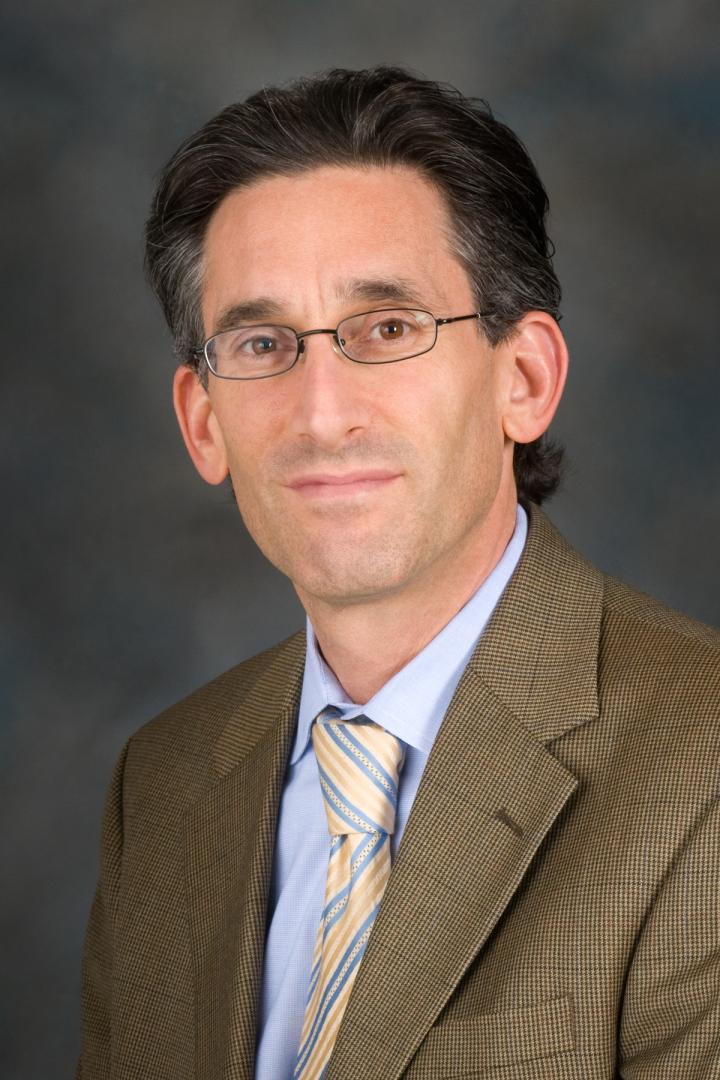
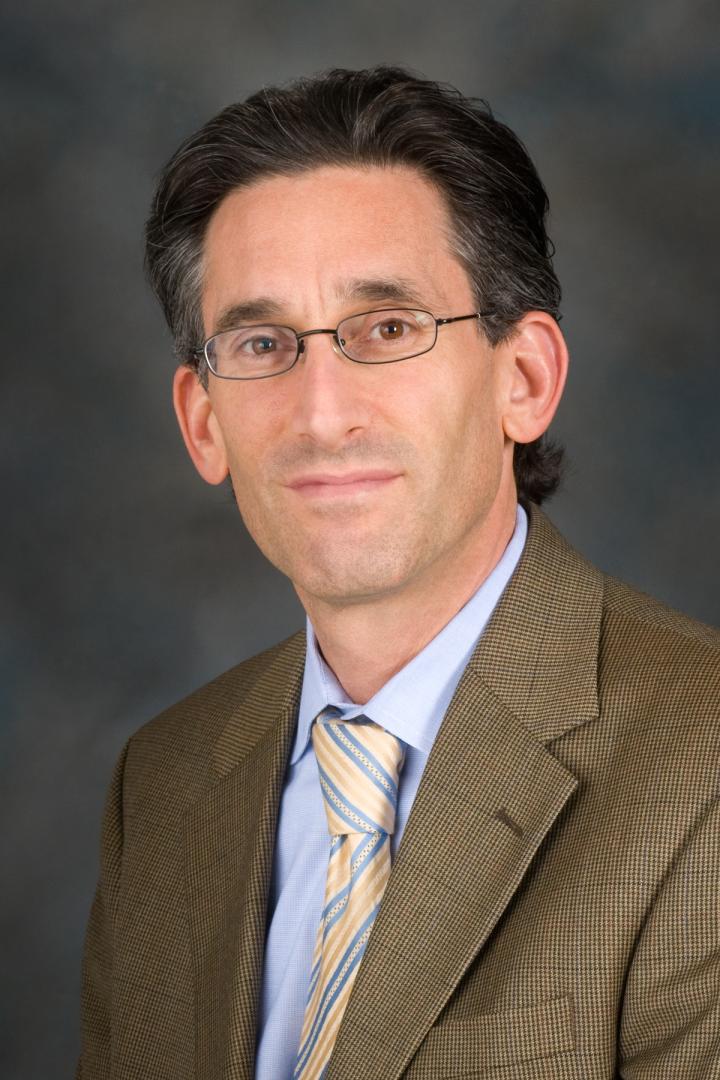
Credit: MD Anderson Cancer Center
Participating in twice-weekly practice of Tibetan yoga may reduce sleep disturbances and improve sleep quality in breast cancer patients receiving chemotherapy, according to a study from researchers at The University of Texas MD Anderson Cancer Center.
The research, published in the journal Cancer, found that women who practiced Tibetan yoga at least two times a week reported less daytime disturbances, better sleep quality and sleep efficiency over time, compared to those practicing less often and to women in an active control group receiving usual care.
Sleep disturbances and fatigue are two of the most frequent and debilitating side effects experienced by cancer patients undergoing chemotherapy, explained lead author Lorenzo Cohen, Ph.D., professor of Palliative, Rehabilitation, and Integrative Medicine and director of the Integrative Medicine Program. Patients often describe poor sleep quality, insomnia, and excessive drowsiness.
"Previous research has established that yoga effectively reduces sleep disturbances for cancer patients, but have not included active control groups or long-term follow-up," said Cohen. "This study hoped to address previous study limitations."
For the randomized study, 227 women with stage I-III breast cancer undergoing chemotherapy at MD Anderson Cancer Center were randomized to one of three groups: a Tibetan yoga program, a simple-stretching program, or a waitlist control group receiving usual care. Participants in the Tibetan yoga program and the stretching program attended four 75-90 minute classes during their chemotherapy treatment.
Participants in the Tibetan yoga program were taught one-on-one by a trained instructor, with each class focusing on controlled breathing, visualization, meditation and postures. Patients were encouraged to practice daily, at home outside of class.
Prior to starting the interventions, participants completed baseline questionnaires and wore an actigraphy watch, which monitors rest and activity cycles, 24 hours a day for seven days to assess sleep quality. Follow-up assessments were conducted one week after the end of intervention and three, six, and 12 months later.
Sleep disturbances and fatigue were assessed using the self-reported Pittsburgh Sleep Quality Index and the Brief Fatigue inventory. Participants also wore actigraphs 24 hours a day for seven days at each study time point to measure sleep.
There were no statistically significant group differences in total sleep disturbances or fatigue levels over time, but participants in the Tibetan yoga group reported fewer daily disturbances one week post-treatment than either of the other groups.
Additionally, long-term sleep benefits emerged over time for those who practiced Tibetan yoga at least two times a week. Compared to those who practiced less often, these patients reported fewer daily disturbances three months post-treatment, as well as better sleep quality and efficiency at six months post-treatment. These patients also reported fewer daily disturbances three months and better sleep efficiency six months relative to the usual care control group.
"While the effects of this intervention were modest, it is encouraging to see that the women who practiced yoga outside of class had improved sleep outcomes over time," said Cohen.
The study and findings were limited by several factors, including a lack of blinded group assignments and challenges with recruiting patients undergoing chemotherapy, resulting in just a 56 percent participation rate.
Planned future research will focus on shorter in-class instruction and increasing patient engagement in yoga practice outside of the instructional classes.
###
In addition to Cohen, other MD Anderson authors include: Alejandro Chaoul Ph.D., Kathrin Milbury Ph.D., Amy Spelman Ph.D., Rosalinda Engle, Qi Wei, of Palliative, Rehabilitation, and Integrative Medicine; Karen Basen-Engquist Ph.D., Carol Harrison, of Behavioral Science; Ya-Chen Tina Shih Ph.D., of Health Services Research; Banu Arun M.D., Vicente Valero M.D., of Breast Medical Oncology; George Perkins M.D., of Radiation Oncology; and Gildy Babiera M.D., of Breast Surgical Oncology. Other authors on the study include: Martica Hall, Ph.D., of University of Pittsburgh and Tenzin Wangyal of Ligmincha Institute.
The research was supported by the NIH/NCI under award numbers R01CA105023, P30CA016672, K01AT007559 and the Richard E. Haynes Distinguished Professorship for Clinical Cancer Prevention at The University of Texas MD Anderson Cancer Center.
Media Contact
Lany Kimmons
[email protected]
713-563-5801
@mdandersonnews
http://www.mdanderson.org