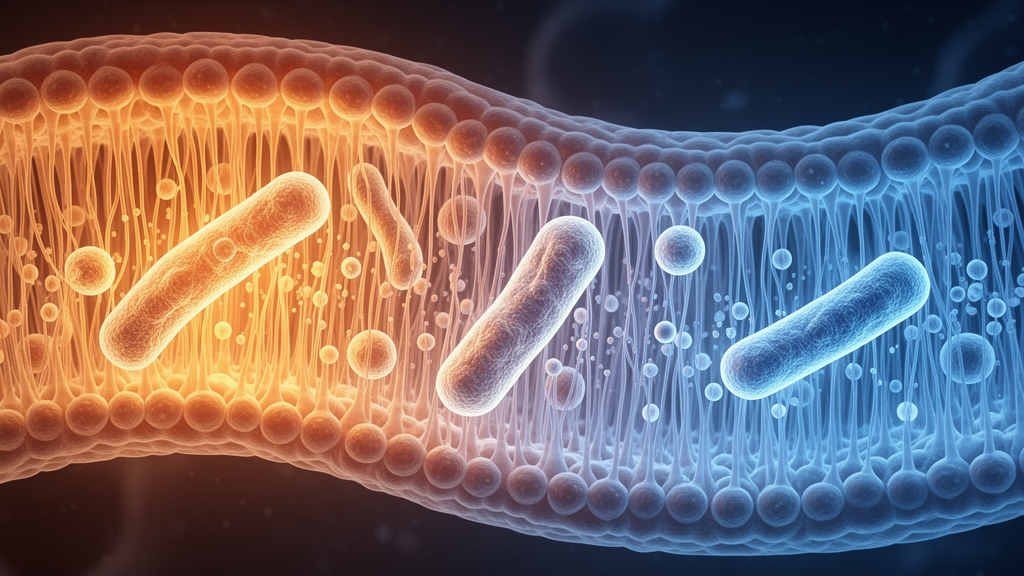
A comparative controlled animal trial published in Genes and Nutrition demonstrates that non-viable bacterial derivatives known as paraprobiotics achieve antioxidant and anti-inflammatory efficacy equivalent to their live probiotic counterparts in a murine model of dextran sulfate sodium-induced colitis. The investigation, conducted by Niloofar Rezaie, Mahdi Rohani, and colleagues at the Pasteur Institute of Iran, systematically evaluated whether heat-inactivated bacterial cells could match intact, living micro-organisms in reversing the severe tissue pathology, clinical symptoms, and biochemical disruptions provoked by intestinal chemical challenge. Working with male wild-type C57BL/6 mice maintained on a standard nutritional regimen, the researchers documented that orally administered mixtures of both live probiotic strains and cell-free paraprobiotics produced statistically significant reductions in experimental disease activity indices, prevented colonic shortening, normalized intestinal architecture, restored crucial antioxidant enzymes, and modulated the molecular transcription networks that govern cellular defense and inflammatory cascades.
The biological rationale driving the study centers on the complex pathophysiology of inflammatory bowel disease, an umbrella classification encompassing chronic gastrointestinal conditions such as ulcerative colitis and Crohn’s disease that are characterized by recurrent cycles of remission and relapse. The researchers noted that while the primary etiology of inflammatory bowel disease remains elusive, its pathogenesis involves genetic susceptibility, immune dysregulation, alterations in the gut microbiota, and environmental influences. A pivotal feature sustaining intestinal tissue damage is oxidative stress, defined as an imbalance between the excessive generation of reactive oxygen species and endogenous antioxidant defenses. In the gastrointestinal tract, persistent oxidative injury compromises epithelial cell integrity, breaks down the mucosal barrier, and initiates a self-reinforcing inflammatory loop driven by key signaling networks, most notably nuclear factor kappa B, which stimulates the overproduction of tissue-damaging pro-inflammatory cytokines including tumor necrosis factor-alpha and interleukin-1 beta.
To simulate human intestinal inflammation, the experimental design utilized the established dextran sulfate sodium model, an in vivo system where oral ingestion of the chemical compromises colonic epithelial barrier integrity, exposes underlying lamina propria tissues to luminal antigens, and rapidly induces extensive ulceration, mucosal infiltration, and severe oxidative damage. The authors emphasized that clinical observations show individuals can experience inflammatory bowel flares even while adhering to balanced, nutritious dietary habits, demonstrating that normal nutrition alone is often insufficient to halt acute inflammatory triggers. Although live probiotic supplementation has shown promise in reinforcing mucosal tight junctions and modulating gut immunity, the administration of viable micro-organisms carries distinct clinical disadvantages, particularly for immunocompromised patients who face risks of systemic bacteremia or opportunistic infection. Consequently, non-viable paraprobiotics—defined as inactivated microbial cells or intact structural fractions—have emerged as an alternative therapeutic strategy designed to deliver immunomodulatory benefits without biological viability risks.
Before conducting the animal trials, the research team implemented a rigorous microbiological screening pipeline that examined eighty-eight candidate probiotic strains previously isolated and characterized in their laboratory. The team subjected these isolates to a comprehensive battery of biochemical assays to evaluate in vitro antioxidant capabilities, measuring 2,2-diphenyl-1-picrylhydrazyl free-radical scavenging, 2,2-azino-bis-3-ethylbenzothiazoline-6-sulfonic acid radical inhibition, superoxide anion neutralization, hydroxyl radical scavenging potency, ferric reducing power, and lipid peroxidation inhibition. Through this comparative screening, the authors selected six top-performing strains exhibiting the strongest antioxidant capacities: Lactobacillus reuteri RP100, Lactobacillus plantarum RP42, Lactobacillus plantarum RP119, Lactobacillus plantarum RP155, Bifidobacterium bifidum RP1001, and Bifidobacterium longum RP1044. These chosen bacterial strains were cultivated, harvested, washed in phosphate-buffered saline, and processed to create both a living multi-strain consortium and an inactivated paraprobiotic preparation.
The preparation of the paraprobiotic intervention followed a standardized inactivation protocol designed to preserve structural cellular components while abolishing microbial viability. Harvested bacterial cell suspensions were centrifuged, washed with phosphate-buffered saline, and subjected to thermal inactivation by heating at one hundred degrees Celsius for ten minutes. Following thermal exposure, the inactivated bacterial cells underwent sonication in an ice-water bath and subsequent centrifugation, yielding an insoluble precipitate that served as the paraprobiotic material. The researchers combined equal proportions of all six inactivated strains to assemble a unified paraprobiotic cocktail. In parallel, a live probiotic cocktail was formulated using the identical six viable isolates. Both preparations were calibrated to a concentration equivalent to one billion colony-forming units per milliliter, ensuring identical cellular biomass exposure between the live and inactivated treatment cohorts throughout the scheduled experimental schedule.
The in vivo protocol adhered strictly to ARRIVE guidelines and received formal ethical approval from the ethics committee of the Pasteur Institute of Iran under protocol code IR.PII.REC1400.061. Twenty male C57BL/6 mice, aged four to six weeks and presenting an initial average body weight of sixteen grams, were housed in five-animal cages under regulated environmental parameters including a steady temperature of twenty-two degrees Celsius, fifty percent relative humidity, and a twelve-hour light-dark cycle. All experimental groups were granted ad libitum access to water and a standardized laboratory diet containing eighteen to twenty-five percent protein, forty to sixty percent carbohydrates, and five to ten percent fat. Following an acclimation phase, the twenty animals were randomized into four parallel experimental cohorts of five mice each, receiving designated interventions administered via oral gavage across a twenty-eight-day experimental timeline without any observed intervention-related mortality.
The experimental cohorts comprised a negative control group receiving two hundred microliters of phosphate-buffered saline alongside the standard diet; a positive disease control group receiving the standard diet combined with a single chemical challenge of two hundred microliters of two percent dextran sulfate sodium; a live probiotic intervention group receiving the two percent chemical challenge alongside one billion colony-forming units of the live bacterial cocktail; and a paraprobiotic group receiving the chemical challenge alongside one billion units of the heat-inactivated cocktail. Over the course of the twenty-eight-day protocol, researchers tracked clinical disease severity through a standardized Disease Activity Index scoring weight change, stool consistency, ambulatory activity, rectal bleeding, and fur condition. At the conclusion of the study period, the animals were euthanized, and colonic tissues were excised to measure total anatomical colon length and evaluate histopathological scoring across crypt architectural integrity, inflammatory infiltration, muscular layer thickening, and goblet cell preservation.
Macroscopic and clinical evaluations revealed stark divergences between the untreated chemically challenged animals and the cohorts receiving bacterial supplementation. While healthy negative control mice consuming the standard nutritional regimen exhibited a normal average weight gain of approximately two grams over two weeks, exposure to dextran sulfate sodium produced profound systemic morbidity, culminating in an average weight loss of approximately six grams. Furthermore, positive control mice exhibited severe colonic shortening alongside pronounced spikes in both clinical Disease Activity Index scores and microscopic histopathological scores, confirming robust inflammatory damage relative to healthy controls at a significance level of p less than 0.0001. In contrast, co-administration of either the live probiotic cocktail or the heat-inactivated paraprobiotic formulation counteracted these pathological shifts, maintaining animal body weights, preserving colon lengths, and decreasing both clinical disease activity and tissue damage scores with statistical equivalence between the two supplemented groups.
Biochemical assays conducted on harvested serum and distal intestinal tissues demonstrated that both probiotic and paraprobiotic cocktails exerted potent systemic and localized antioxidant protection. Dextran sulfate sodium administration severely depleted natural enzymatic defenses, causing sharp reductions in superoxide dismutase, catalase, and glutathione peroxidase activities, accompanied by significant depletion of reduced glutathione and marked elevations of the lipid peroxidation marker malondialdehyde in both serum and gut homogenates compared to healthy controls at p less than 0.0001. Supplementation with either viable bacteria or heat-killed paraprobiotics effectively reversed these enzymatic deficits, producing significant elevations in superoxide dismutase, catalase, glutathione peroxidase, and glutathione concentrations while suppressing malondialdehyde accumulation back toward baseline values. The statistical comparisons confirmed that the antioxidant recovery elicited by the non-viable paraprobiotic cocktail showed no significant variance from that achieved by the live probiotic consortium.
Evaluation of circulating immune mediators confirmed parallel anti-inflammatory actions across the experimental groups. In the disease control animals, chemical challenge induced a marked systemic inflammatory state, characterized by dramatic increases in serum concentrations of the pro-inflammatory cytokines interleukin-1 beta and tumor necrosis factor-alpha, alongside reductions in the circulating levels of the regulatory anti-inflammatory cytokines interleukin-4 and interleukin-10 relative to negative controls at p less than 0.0001. Oral administration of either the native probiotic mixture or the paraprobiotic derivative markedly altered this immunological profile, driving significant reductions in circulating interleukin-1 beta and tumor necrosis factor-alpha while substantially boosting concentrations of interleukin-4 and interleukin-10 compared to positive control animals. Crucially, the numerical measurements between the live bacterial group and the heat-killed paraprobiotic group showed no statistically significant differences, verifying that cellular viability is not required to modulate cytokine secretion.
Molecular profiling via quantitative real-time polymerase chain reaction provided mechanistic insight into how these cellular preparations influence intracellular transcriptional machinery within colonic tissue. Relative gene expression was determined using the two to the power of negative delta-delta cycle threshold method normalized against the glyceraldehyde-3-phosphate dehydrogenase housekeeping gene. Colonic tissues from dextran sulfate sodium-challenged control mice displayed profound suppression of the Nrf2 signaling pathway and its downstream antioxidant gene network, combined with a significant upregulation of transcriptional markers associated with the NF-kB inflammatory cascade relative to healthy controls at p less than 0.0001. Both the native probiotic strains and the paraprobiotic cocktail completely reversed this molecular dysregulation, inducing significant up-regulation of Nrf2-linked antioxidant gene expression and down-regulation of NF-kB-related inflammatory genes. Consistent with the phenotypic data, the molecular efficacy of the paraprobiotic preparation matched the performance of the living bacterial consortium without divergence.
In contextualizing their findings within the broader literature, the authors highlighted previous reports showing that structural cellular components from diverse lactic acid bacteria can confer mucosal protection. They noted prior observations where derivatives from Limosilactobacillus fermentum protected against colonic shortening, and studies where both live and inactivated Lactobacillus rhamnosus GG modulated superoxide dismutase, catalase, glutathione peroxidase, and inflammatory cytokines. Additional cited investigations demonstrated that cellular lysates from Lactobacillus sakei stimulated glutathione production through Nrf2 modulation, while comparative trials by Lee and colleagues revealed that heat-killed or lysozyme-treated Bifidobacterium bifidum BGN4 preserved intestinal barrier integrity and suppressed phosphorylated inhibitor of kappa B alpha, cyclooxygenase-2, and interleukin-1 beta. Similarly, research by Kye and colleagues in BALB/c mice confirmed that heat-killed Lactobacillus acidophilus PIN7 mitigated colitis severity, modulated gut microbiota, and reduced nuclear factor kappa B activation, reinforcing the concept that bacterial viability is secondary to intact microbial macromolecular components.
The study authors acknowledged specific experimental boundaries, emphasizing that the twenty-mouse sample size, while statistically adequate under power calculations for detecting large phenotypic and molecular effect sizes, represents an experimental limitation that warrants expansion in future animal cohorts. Furthermore, because these investigations were conducted strictly within an in vivo murine chemical model, the observed therapeutic benefits cannot be directly extrapolated as human clinical outcomes or formal medical guidance. Nonetheless, the findings establish clear evidence that heat-inactivated paraprobiotics derived from native probiotic strains exert antioxidant and anti-inflammatory properties indistinguishable from viable bacteria across phenotypic, biochemical, and molecular indices. Given their inherent biosafety profile, inability to cause opportunistic systemic infections, resistance to antibiotic resistance transfer, and enhanced technological shelf stability, paraprobiotics represent an exceptionally promising non-living adjunctive strategy for managing intestinal inflammation and oxidative mucosal injury.
Subject of Research: Comparative antioxidant and anti-inflammatory efficacy of live probiotics and heat-inactivated paraprobiotics in murine colitis
Article Title: The comparison of antioxidant and anti-inflammatory potency of native probiotics and paraprobiotics in DSS-induced colitis mice with a normal diet
Article References: Rezaie, N., Aghamohammad, S., Khiavi, E. H. A. G., Talebi, M., Pourshafie, M. R., & Rohani, M. (2025). The comparison of antioxidant and anti-inflammatory potency of native probiotics and paraprobiotics in DSS-induced colitis mice with a normal diet. Genes & Nutrition, 20(1), Article 17. https://doi.org/10.1186/s12263-025-00774-9
Image Credits: AI Generated
DOI: 10.1186/s12263-025-00774-9
Keywords: probiotics, paraprobiotics, dextran sulfate sodium, colitis, inflammatory bowel disease, oxidative stress, Nrf2 pathway, NF-kB pathway, superoxide dismutase, catalase, glutathione peroxidase, malondialdehyde, interleukin-10, tumor necrosis factor-alpha, C57BL/6 mice, Lactobacillus plantarum, Bifidobacterium bifidum
News Source: Drew Townsend. (November 10, 2026). Inactivated Paraprobiotics Match Live Strains in Mitigating Murine Colitis Inflammation. Scienmag.