A pilot randomized controlled trial published in the Journal of Autism and Developmental Disorders found that a paraprofessional-delivered after-school social intervention, known as PASI, was feasible and produced significantly greater improvements in social functioning and autism features for autistic children compared to a waitlist control. The results indicated that the program was not only practical to deliver but also capable of producing sustained improvements in key social metrics for the participating children.
The trial involved 54 autistic children, aged 7 to 12 years, who were randomly assigned to either the intervention group or a waitlist comparison condition. The average age of children in the intervention group was 8.68 years with a standard deviation of 1.24, while the average age in the comparison group was 9.07 years with a standard deviation of 1.16.
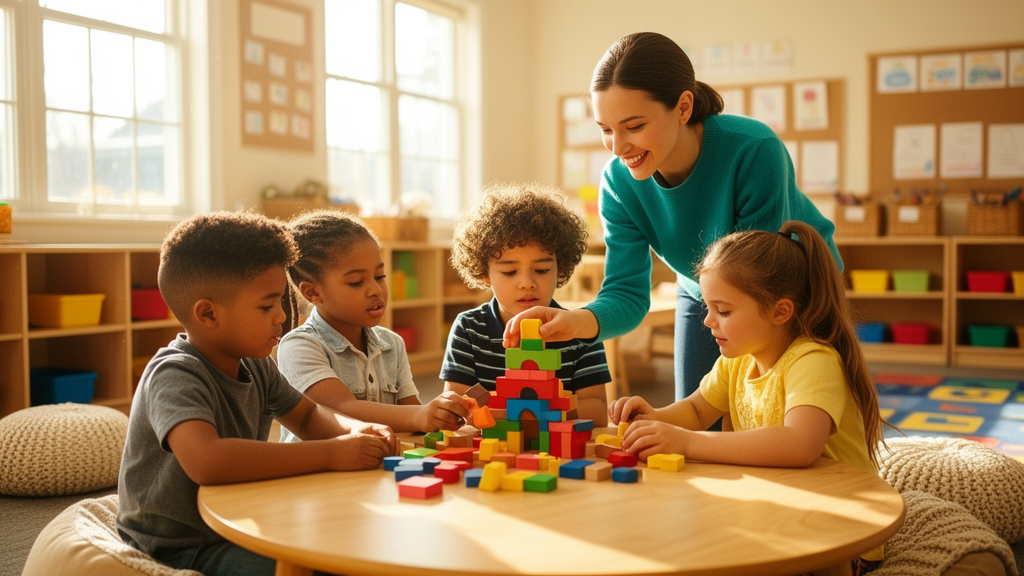
The intervention was delivered by paraprofessional staff to groups of one to three autistic children as part of existing after-school programs that included non-autistic peers. Sessions were held four days per week, with each 90-minute session lasting over an eight-week period. Each session included a social skills group followed by social recreational games to practice the targeted skills, alongside a behavioral reinforcement system to promote skill development and maintenance.
Feasibility measures indicated that fidelity to the protocol, attendance rates, and parent and child satisfaction were high.
In terms of outcomes, the intervention group showed significantly greater improvements from baseline to posttest compared to the waitlist comparison group. Specifically, children in the intervention group demonstrated significant gains in child social knowledge, as well as in parent-rated social skills and autism features. These improvements indicate a positive impact on social functioning and the severity of autism-related symptoms.
Follow-up testing conducted two to three months after the intervention ended indicated that the gains observed in the intervention group were maintained.
The study concludes that testing the PASI in a fully-powered randomized trial appears warranted. The positive feasibility and outcome results provide a rationale for conducting a larger-scale trial to further evaluate the intervention’s effectiveness. The authors provided recommendations for such a trial. The trial was registered with ClinicalTrials.gov under the identifier NCT05542602.
Subject of Research: Feasibility and outcomes of a paraprofessional-delivered after-school social intervention for autistic children
Article Title: Pilot Randomized Trial Testing the Feasibility and Outcomes of a Paraprofessional-Delivered After-School Social Intervention for Autistic Children
Article References: Lopata, C., Thomeer, M. L., Rodgers, J. D., & Donnelly, J. P. (2026). Pilot Randomized Trial Testing the Feasibility and Outcomes of a Paraprofessional-Delivered After-School Social Intervention for Autistic Children. Journal of Autism and Developmental Disorders. https://doi.org/10.1007/s10803-026-07603-x
Image Credits: AI Generated
DOI: 10.1007/s10803-026-07603-x
Keywords: autism, social intervention, after-school program, paraprofessional staff, randomized trial, child development, social skills, behavioral reinforcement, Pilot, Randomized, Trial, Testing
News Source: Ophelia Keating. (November 10, 2026). After-School Social Program Shows Gains for Autistic Children. Scienmag.