A comparative evaluation of bacterial DNA enrichment strategies indicates that combining complementary extraction protocols may be necessary to fully characterize microbial communities in pooled mosquito midguts. In tests assessing midgut samples from Aedes aegypti, researchers observed that while specialized host-depletion methods achieved the highest bacterial enrichment and genome reconstruction efficiency, standard extraction protocols preserved a broader representation of bacterial phyla and identified distinct taxonomic groups.
Characterizing the mosquito midgut microbiota is critical because resident bacteria influence host development, reproduction, and interactions with pathogens in major disease vectors. However, metagenomic sequencing of these communities faces persistent technical hurdles because host mosquito DNA typically dominates sequencing libraries. This high proportion of host genetic material reduces the resolution of bacterial community profiling and impedes the recovery of microbial genomes from sequencing datasets.
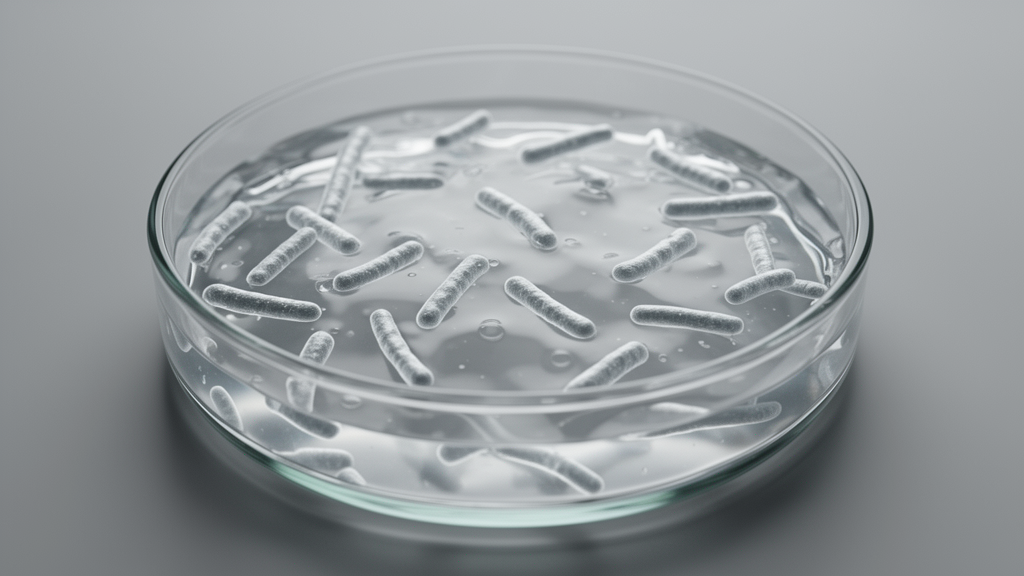
To assess methods for bacterial DNA enrichment, the study compared three DNA extraction protocols applied to pooled Aedes aegypti midgut tissues. The tested procedures comprised the QIAGEN DNeasy Blood and Tissue kit without filtration, the same DNeasy kit preceded by a 5-micrometer filtration step to deplete eukaryotic host material, and the QIAGEN QIAamp Microbiome kit, which integrates differential host cell lysis with enzymatic DNA depletion.
The performance of each extraction protocol was evaluated across three distinct analytical benchmarks. The researchers quantified bacterial and host DNA yields using quantitative PCR assays, characterized community structure through small subunit ribosomal RNA taxonomic profiling of metagenomic reads, and reconstructed Metagenome-Assembled Genomes using advanced binning methods.
The evaluation demonstrated that the QIAamp Microbiome kit yielded the highest bacterial enrichment, recovering more than 85 percent of the bacterial taxa detected across the other protocols. It also produced a higher relative abundance of Gammaproteobacteria without diminishing overall community diversity, indicating improved taxonomic recovery rather than an introduced compositional artifact. Meanwhile, applying 5-micrometer filtration before DNeasy extraction significantly lowered host DNA levels but also reduced bacterial yield, allowing Metagenome-Assembled Genome reconstruction at lower efficiency than the Microbiome kit.
Despite the superior enrichment delivered by the Microbiome kit, the DNeasy protocols captured a wider range of bacterial phyla with a more balanced distribution across taxa. In addition, each extraction method detected a unique set of NTUs. Consequently, the authors concluded that relying on multiple DNA extraction protocols may be essential to achieve comprehensive midgut microbiome profiling and support vector control research.
Subject of Research: Mosquito midgut bacterial DNA extraction optimization
Article Title: Optimizing bacterial enrichment procedures to improve mosquito midgut microbiome research
Article References: Schrieke, H., Trouche, B., Kerrigan, D., Pondeville, E., & Reveillaud, J. (2026). Optimizing bacterial enrichment procedures to improve mosquito midgut microbiome research. Animal Microbiome. https://doi.org/10.1186/s42523-026-00614-0
Image Credits: AI Generated
DOI: 10.1186/s42523-026-00614-0
Keywords: mosquito microbiome, Aedes aegypti, metagenomics, bacterial DNA enrichment, DNA extraction, Metagenome-Assembled Genomes, vector biology, microbial diversity, Optimizing, bacterial, enrichment, procedures
News Source: Morgan Morrow. (November 10, 2026). Optimizing Bacterial Enrichment Procedures to Improve Mosquito Midgut Microbiome Research. Scienmag.