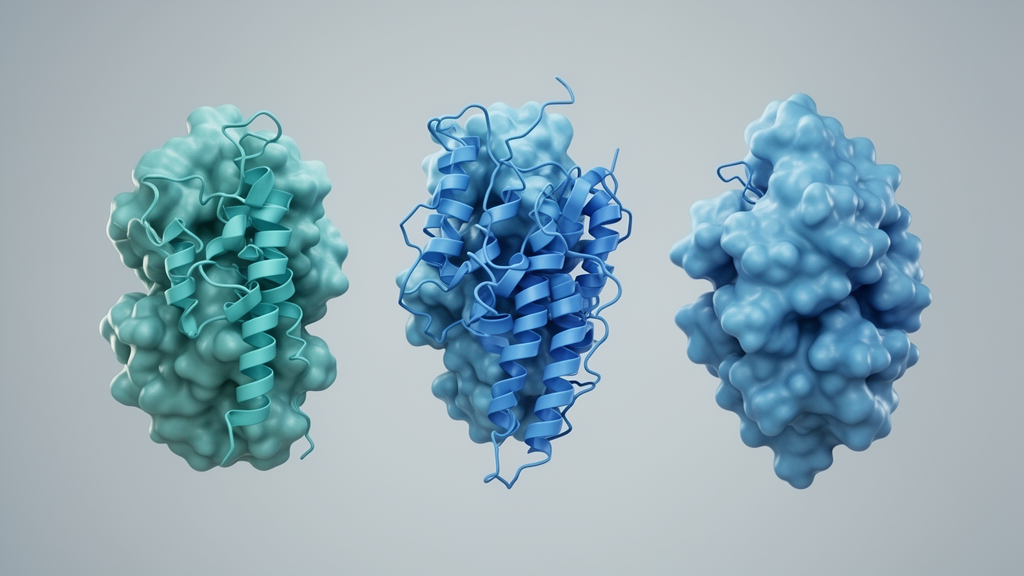
Computational researchers investigating the multidrug-resistant bacterium Enterobacter cloacae have identified three uncharacterized proteins that could serve as potential therapeutic targets for combating hospital-acquired infections. The genomic sequence of Enterobacter cloacae isolate 1382 encodes 4,820 total proteins, including 233 hypothetical proteins that possess open reading frames without experimental proof of translation or known biological functions. To explore whether any of these uncharacterized sequences contribute to bacterial survival or drug evasion, investigators at the SRM Institute of Science and Technology implemented a comprehensive in silico functional annotation pipeline. Their computational workflow categorized the sequences through Gene Ontology terms, structural homology models, protein-protein interaction networks, and molecular docking alongside molecular dynamics simulations, ultimately isolating three candidates designated HP_57, HP_67, and HP_153 as putative targets linked to antimicrobial resistance mechanisms.
Enterobacter cloacae has emerged as a significant hospital-acquired pathogen capable of causing severe community-acquired and nosocomial illnesses, including urinary tract infections, lung infections, surgical site infections, and neonatal intensive care sepsis. As a member of the Gram-negative Enterobacterales family and the ESKAPE group of multidrug-resistant pathogens, it frequently complicates conventional antimicrobial therapy through mechanisms such as decreased membrane permeability, enhanced efflux pump activities, and enzymatic antibiotic degradation. Bloodstream infections caused by the Enterobacter cloacae complex present crude clinical mortality rates ranging from 15.1% to 33.3%, with reports indicating mortality reaching 42.6% in the context of cephalosporin-resistant strains. Global surveillance records further show substantial regional prevalence of extended-spectrum beta-lactamase-producing strains, reaching up to 28.6% in Asia and 47.6% in Africa over the past decade. Because clinical treatment options continue to diminish as strains acquire resistance determinants, characterizing unannotated components of the bacterial proteome offers an essential computational strategy for uncovering novel intervention pathways.
To establish the biological relevance of the 233 uncharacterized sequences, the researchers retrieved the complete proteome of Enterobacter cloacae strain 1382 from GenBank under accession ID OW968328.1, encompassing 4,886,885 base pairs. Functional categorization was initiated using the Argot 2.5 server, which successfully assigned Gene Ontology terms across Biological Process, Molecular Function, and Cellular Component domains for 125 of the 233 hypothetical proteins. Within this annotated group, Biological Process formed the predominant category, followed closely by Molecular Function. The investigators detected 13 distinct Gene Ontology terms, notably identifying transport as the most frequently represented biological process alongside metabolic and biosynthetic categories such as synthase activity, proteolysis, and carbohydrate metabolism. Other predicted activities encompassed DNA binding, transcriptional regulation, and integral membrane associations, reflecting diverse cellular roles ranging from nutrient uptake and membrane homeostasis to potential involvement in bacterial pathogenesis.
Following Gene Ontology classification, the 125 annotated proteins were evaluated through a battery of domain and motif prediction platforms, including InterPro, CATH, SUPERFAMILY, MOTIF Finder, SCANPROSITE, and CDD-BLAST. Proteins demonstrating functional consensus across at least three independent bioinformatic methods were shortlisted, narrowing the candidate pool to 16 reliably annotated hypothetical proteins. These 16 candidates were then queried against the NCBI non-redundant database using BLASTp, with parameters set to a minimum query coverage of 70%, sequence identities between 30% and 100%, an E-value cutoff of 0.0001, and bit scores of at least 200. This homology search confirmed strong evolutionary conservation across Enterobacter species. Screening against the Database of Essential Genes revealed homologs involved in fundamental survival mechanisms, including ATP-binding cassette transport, DNA repair, and basic metabolic operations, while VirulentPred algorithms identified variable virulence potential across the proteins, yielding scores ranging from 0.9374 in HP_39 to minus 0.704 in HP_58.
Physicochemical profiling using the ProtParam suite established substantial structural variability among the 16 shortlisted proteins, with lengths spanning 102 amino acids in HP_65 to 1,016 residues in HP_231, and molecular weights ranging from 11,275.87 Da to 113,998.3 Da. Isoelectric points ranged between 4.84 and 10.57, with the majority falling above 7, suggesting net positive charges at physiological pH that facilitate interactions with negatively charged cellular components. While most proteins exhibited negative grand average of hydropathicity values indicative of hydrophilic characteristics, positive hydropathicity values were detected in HP_65 at 0.18, HP_67 at 0.816, and HP_153 at 0.976, suggesting prominent membrane associations. Subcellular localization models using PSORTb and CELLO determined that while PSORTb yielded predictions for only three proteins, CELLO classified all 16 candidates across cytoplasmic, periplasmic, and membrane compartments. Furthermore, transmembrane analyses through HMMTOP and TMHMM predicted multiple membrane-spanning segments, assigning 12 transmembrane helices to HP_67 and 14 helices to HP_153, while SignalP identified secretory signal peptides in HP_2, HP_117, and HP_155.
Protein-protein interaction mapping through the STRING database and Cytoscape visualization further clarified the network context of the shortlisted proteins within Enterobacter cloacae. HP_02 interacted strongly with ECL_00072 with a score of 0.906, while HP_65 paired with azoR, an acyl carrier phosphodiesterase that catalyzes reductive azo-bond cleavage, with an interaction score of 0.777. HP_67 exhibited a high interaction score of 0.978 with ECL_02452, an annotated thiamine transport system substrate-binding protein, and HP_146 interacted with ECL_03036, a component IIABC of the N-acetylglucosamine-specific phosphotransferase system. Concurrently, HP_153 displayed a prominent interaction with ABP61318.1, an enzyme belonging to the dTDP-4-dehydrorhamnose 3,5-epimerase family involved in bacterial polysaccharide biosynthesis. Integrating these functional associations with manual UniProt evaluations of ARGOT-derived homologs prioritized three candidates directly implicated in resistance mechanisms: HP_57 and HP_67, homologous to ATP-binding cassette transporter components that drive efflux pump activity, and HP_153, linked to capsule and biofilm-associated polysaccharide biosynthesis.
Tertiary structural models of HP_57, HP_67, and HP_153 were generated using AlphaFold3 and evaluated through standard validation pipelines. AlphaFold3 confidence scores indicated high predictive reliability for HP_67 and HP_153, which yielded predicted template modeling scores of 0.91 and 0.89, mean predicted aligned errors of 5.30 and 4.91 angstroms, and mean residue pLDDT values of 87.04 and 84.27, respectively. In contrast, HP_57 demonstrated lower global confidence with a pTM of 0.44 and a mean PAE of 18.59 angstroms despite a satisfactory mean pLDDT of 81.19, a divergence attributed to 35 percent predicted structural disorder. Stereochemical quality checks via PROCHECK Ramachandran plots confirmed favorable geometry, with 92.3%, 96.4%, and 95.8% of residues occupying most-favored regions for HP_57, HP_67, and HP_153, respectively, and zero residues in disallowed space. ERRAT overall quality factors reached 98.40 for HP_57, 97.33 for HP_67, and 99.37 for HP_153, while ProSA Z-scores of minus 5.75, minus 9.07, and minus 5.66 fell fully within the typical distribution observed for experimentally determined structures of comparable molecular weight.
Active site dimensions were mapped using the CASTp server, identifying binding pockets measuring 1879.950 square angstroms in area and 3554.815 cubic angstroms in volume for HP_57, 2242.745 square angstroms and 2797.753 cubic angstroms for HP_67, and 2404.093 square angstroms and 2859.125 cubic angstroms for HP_153. Using PyRx 0.8 and AutoDock Vina, ten literature-derived natural phytochemicals—berberine, caffeic acid, curcumin, diosgenin, epigallocatechin gallate, gallotannin, ginsenoside Rh2, quercetin, resveratrol, and silymarin—were screened against the predicted pockets, using the fluoroquinolone antibiotic ciprofloxacin as a positive reference. Ciprofloxacin demonstrated docking affinities of minus 6.8 kcal/mol against HP_57, minus 7.9 kcal/mol against HP_67, and minus 8.3 kcal/mol against HP_153. Although several phytochemicals exhibited strong binding energies, SwissADME pharmacokinetic profiling revealed that compounds such as gallotannin, epigallocatechin gallate, and ginsenoside Rh2 incurred multiple violations of Lipinski, Ghose, Veber, Egan, or Muegge drug-likeness rules. In contrast, curcumin exhibited zero Lipinski violations, no pan-assay interference alerts, and favorable binding affinities of minus 7.2 kcal/mol for HP_57, minus 9.1 kcal/mol for HP_67, and minus 8.9 kcal/mol for HP_153, establishing it as the most balanced candidate for further molecular investigation.
Detailed structural inspections of the curcumin complexes using BIOVIA Discovery Studio visualizer revealed extensive non-covalent networks within each binding cavity. In HP_57, curcumin established conventional hydrogen bonds with Gly105 and Arg81, alongside pi-alkyl and alkyl interactions with Lys118, Ser122, Ile110, Leu125, Val80, Ala179, and Val181, supplemented by a pi-sigma bond with Val181 and a pi-cation contact with Arg81. For HP_67, the ligand anchored via conventional hydrogen bonds to His100 and Gln445, carbon-hydrogen bonds with Leu350, Pro93, Pro349, and Pro99, a pi-sigma bond between Leu96 and Thr437, and multiple aromatic contacts including pi-pi stacking with Trp200 and T-shaped pi-pi networks involving Trp149, Trp200, Phe146, and Trp388. In the HP_153 complex, curcumin formed conventional hydrogen bonds with Arg166, Tyr188, Ala266, and Thr270, reinforced by alkyl and pi-alkyl interactions with Leu24, Leu48, and Ile269, demonstrating that diverse non-covalent contacts contribute to complex stabilization across all three candidate receptors.
To evaluate conformational dynamics in an explicit aqueous environment, 100-nanosecond molecular dynamics simulations were conducted in GROMACS using the Amber03 force field and simple point charge water models. Root mean square deviation calculations across the 20 to 100 nanosecond analysis window yielded mean values of 0.25 plus or minus 0.03 nanometers for apo HP_57, 0.30 plus or minus 0.04 nanometers for apo HP_67, and 0.27 plus or minus 0.02 nanometers for apo HP_153. When bound to curcumin, the complexes exhibited reduced mean deviations of 0.13 plus or minus 0.03 nanometers, 0.20 plus or minus 0.05 nanometers, and 0.15 plus or minus 0.03 nanometers, respectively, reflecting restricted backbone fluctuations under simulation conditions. Radius of gyration measurements confirmed structural compactness across the same window, producing values of 1.50 plus or minus 0.06 nanometers for the HP_57 complex, 1.37 plus or minus 0.02 nanometers for the HP_67 complex, and 1.47 plus or minus 0.08 nanometers for the HP_153 complex. Furthermore, hydrogen bond tracking recorded an average of 5 stable bonds in HP_57, 8 in HP_67, and 4 in HP_153 throughout the production trajectories.
Solvent-accessible surface area measurements demonstrated stable solvent exposure across the 100-nanosecond simulations, showing lower surface areas in the curcumin-bound states of HP_67 at approximately 85 to 90 square nanometers compared to 98 to 102 square nanometers in its apo form, and HP_153 at 100 to 105 square nanometers compared to 155 to 160 square nanometers in its apo state. Principal component analysis examining the first two eigenvectors demonstrated that unbound proteins explored wider conformational spaces, whereas curcumin-bound complexes occupied tightly clustered regions, confirming that ligand binding constrained large-scale structural fluctuations. Molecular Mechanics Poisson-Boltzmann Surface Area calculations derived from 100 trajectory frames confirmed favorable energetics, yielding estimated total binding free energies of minus 52.00 plus or minus 7.81 kcal/mol for HP_57, minus 117.33 plus or minus 5.85 kcal/mol for HP_67, and minus 71.94 plus or minus 8.02 kcal/mol for HP_153, driven predominantly by van der Waals and electrostatic attractions overcoming positive polar solvation penalties.
The study authors emphasize that because these findings are derived entirely from computational predictions and in silico homology modeling, the resulting functional assignments represent hypotheses rather than definitive biochemical mechanisms. A recognized methodological constraint involves conducting simulations of the membrane-associated ABC transporter components HP_57 and HP_67 within an explicit aqueous solution rather than within a native lipid bilayer environment, precluding direct observation of complete membrane-dependent transport dynamics. Consequently, the researchers note that future investigations will require domain-specific docking focused on nucleotide-binding domains, extended simulations embedded in realistic lipid membranes, and rigorous microbiological and biochemical assays to experimentally confirm protein function, target validity, and the therapeutic efficacy of natural inhibitor candidates against clinical Enterobacter cloacae infections.
Subject of Research: Bioinformatics identification and structural characterization of hypothetical proteins in Enterobacter cloacae as antimicrobial resistance targets
Article Title: Functional annotation of hypothetical proteins in Enterobacter cloacae 1382: investigating novel targets for antimicrobial resistance
Article References: Singh, S., Baiju, S. K., Yadav, I., & Swaminathan, P. (2026). Functional annotation of hypothetical proteins in Enterobacter cloacae 1382: investigating novel targets for antimicrobial resistance. Frontiers in Drug Discovery, 6, Article 1912205. https://doi.org/10.3389/fddsv.2026.1912205
Image Credits: AI Generated
DOI: 10.3389/fddsv.2026.1912205
Keywords: Enterobacter cloacae, antimicrobial resistance, hypothetical proteins, molecular docking, molecular dynamics, bioinformatics, curcumin, drug discovery, Functional, annotation, hypothetical, proteins
News Source: Ophelia Keating. (November 9, 2026). Computational Screening Identifies Three Enterobacter cloacae Proteins as Potential Antimicrobial Targets. Scienmag.